
Planet Zoo 2 review
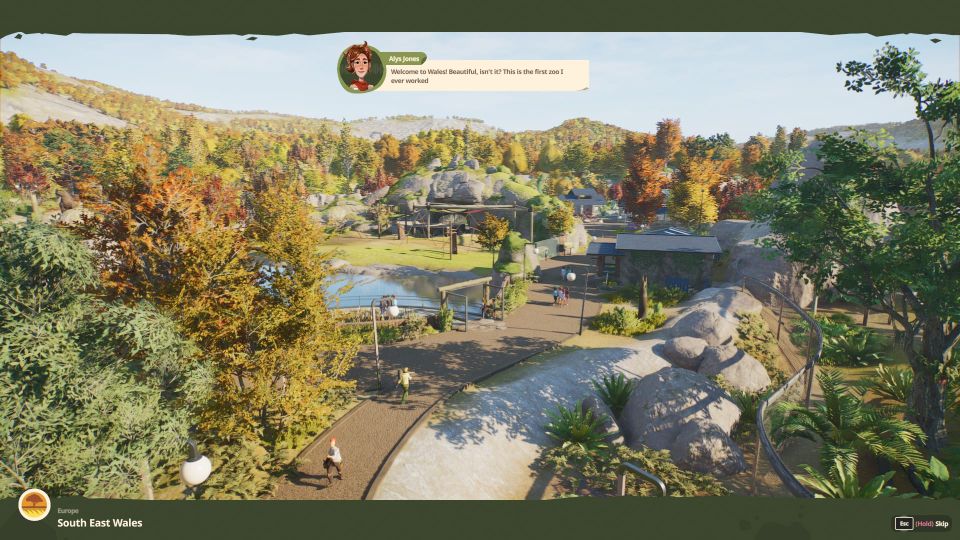
Planet Zoo 2 tries to think about what the purpose of a zoo is. As well as managing zoos around the world, you’re invited to participate in the improvement of various wildlife reserves, from the well-established to the new salvage of land after corporations have made it uninhabitable. The career mode in particular walks you down a path of balancing the everyday running of the zoos with the preparation of habitats and the animals that will be released there. It’s a great idea that unfortunately just doesn’t come out convincingly.
The zoo management part of the game is fiddly and complex in ways I assume sickos of the genre (and I use this epithet positively) will be pleased to hear about. The welfare of the animals, for example, requires them to be part of an appropriate social group, and to have enough space in their enclosure, with the right mixture of terrain and plants, the correct temperature, and enough enrichment. And that’s only the basic level of welfare, which you will need to max out in multiple cases to continue the career mode, and not the thriving status which requires research and additional upgrades.
Animal happiness is just one thing you’ll have to track, alongside whether your zoo is making money, if your guests are cared for and educated, if your staff are looked after, and your zoo’s reputation and marketing. That’s all before you even think about adding new animals or sending rehabilitated ones off to the reserves.