Good morning, videogames. This week's Lie-In is a relatively short one, but several of these links are to long reads that will fill your comfy Sunday morning all the same. Let's dig in.
Earlier this year, before the Microsoft divestment, some staff at Double Fine tried to unionise. Then two weeks later, they retracted their petition. For Kotaku, Rebekah Valentine spoke to current and former staff to find out what happened. This is excellent reporting.
However, over the course of the thread, the tone began to shift, with more openly concerned and even negative voices speaking up. Several self-admittedly ineligible people expressed discomfort with having not been told about the union in advance, suggesting that all employees should have a say in the decision, even ineligible ones. Multiple others, again mostly (but not entirely) ineligible, stated that they supported unions generally, but a few also argued that unionizing wasn't right for Double Fine due to its unusual make-up.
It's Saturday, so let us take stock of a week in Jank. Sin Vega reviewed Thousand Hells, an RPG that forces you to build your team based on vibes rather than numerical stats:
Thousand Hells is sometimes annoying. But it's a price paid for those moments in between, where you have no sure solutions, but some options that, when you stop taking them literally, get you imagining. Maybe "Fyarg is poetic" could help them identify patterns in the stonework? What if "stealthy" could work figuratively, convincing a judge with an unexpected argument? Hidden factors can make a poor choice work anyway, but NPCs too are interpreting, and like Six Ages, sometimes reward a counter-intuitive approach. And so occasionally you'll be fleeing from monsters, and swear aloud after drawing "Oromal is a virtuoso", but then hover over it for a moment, and think "Actually... what if..?".
For this week's Living in Sim, Brendy abandoned the quests in Nivalis and became an avuncular unemployed person, which improved the game considerably.
Nivalis may be summarised as Cyberpunk 2077 without the violence. But there is another way to think of it. It is Bernband with an itinerary. For Bernband
Total Playtime is Jank's podcast, and is produced thanks to the support of our paying subscribers (and formerly our backers on Patreon). This week's episode is exclusive to paying subscribers: you may join them by subscribing here, which will grant access to every episode since launch.
This book is much better, I am pleased to say both for our sake and Johnny's. It covers the fifteen years leading up to the start of the first game, introducing the characters that appear in both that and its sequel, through a series of short chapters that hop between them as they gradually realise that trapping themselves in a libertarian millionaire's undersea colony while injecting themselves with extracts of radioactive slug may perhaps have been a bad idea.
By happenstance, my parenting schedule is unusually light this weekend. Which means only one thing: time for all the viruses which constantly and relentlessly assault my body to overwhelm my momentarily relaxed immune system and render me useless for three whole days. The only question now is whether I'll be able to see the Steam Deck screen from my sick bed.
Read what we might play, then tell us what you paragons of good health will play down in the comments below.
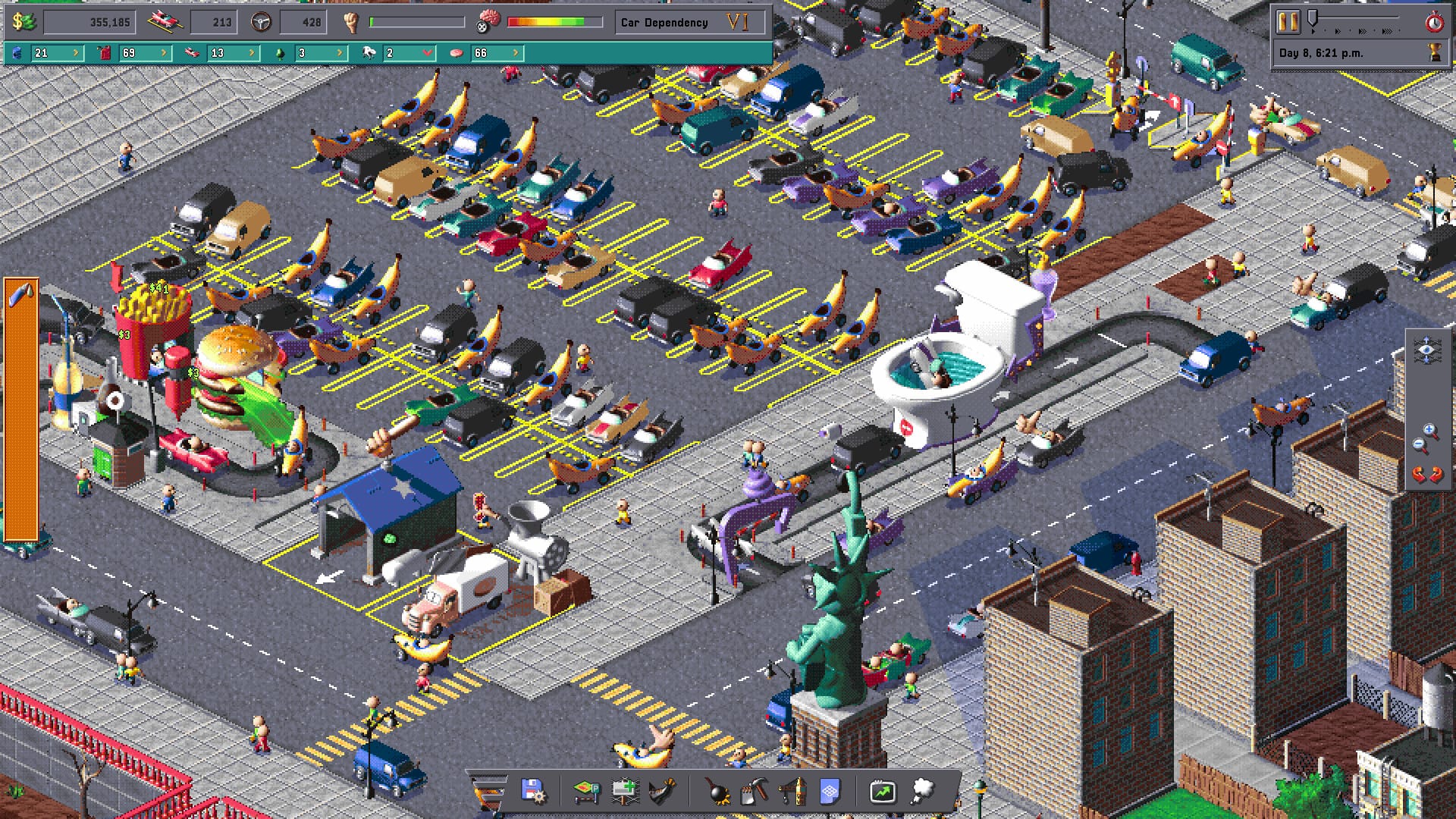
This looks like a SimCity 2000-era citybuilder, but your goal here isn't to build an American municipal paradise. It's to introduce these innocent peeps to "car commuting", and thus create the need for car parks. Actually, that doesn't sound too dissimilar to SimCity or any real American municipal paradise, because there's a satirical edge to your Car Park Capital's demand that you bulldoze trees and houses to make way for more asphalt. It's in Early Access for now.
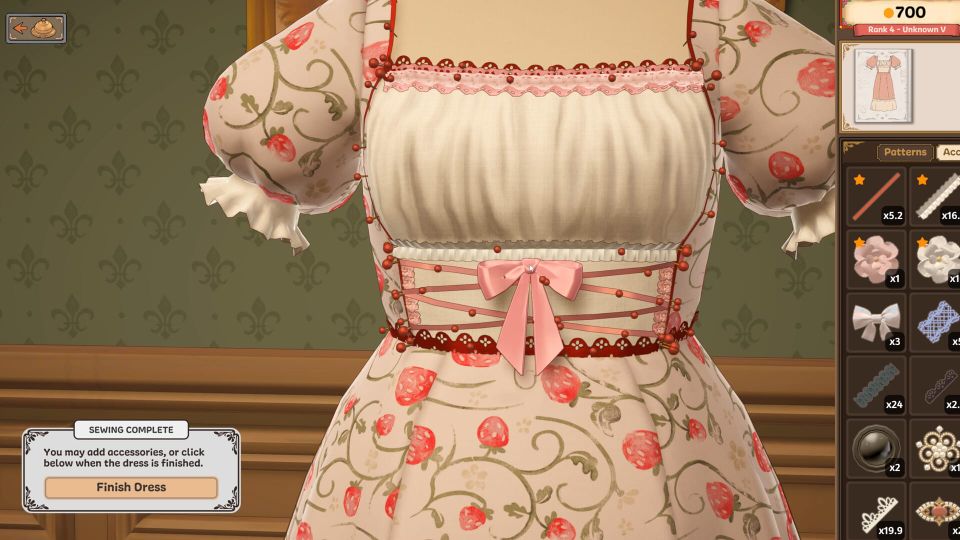
Released a few weeks ago, but I overlooked Dressmaker at the time because it looked outwardly like any other shop simulator. Several friends have since made it clear
Genres are multiplying at the rate of black mould. The survivorslikes, the tidy-uppers, the gamblotrons - they spread beyond our control. I enjoyed that library game. Now I vomit at the sight of clutter in a screenshot. This era of PC games is the equivalent of that time you casually told your mum you like figs and now every week she shows up with another 1kg bag of figs. Dried figs, rehydrated figs, fresh figs, figs with roguelite elements, figs with character customisation. Please mum! No more figs!
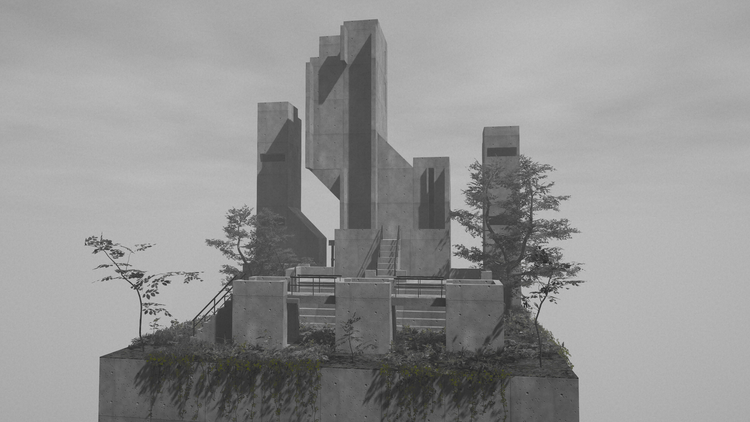
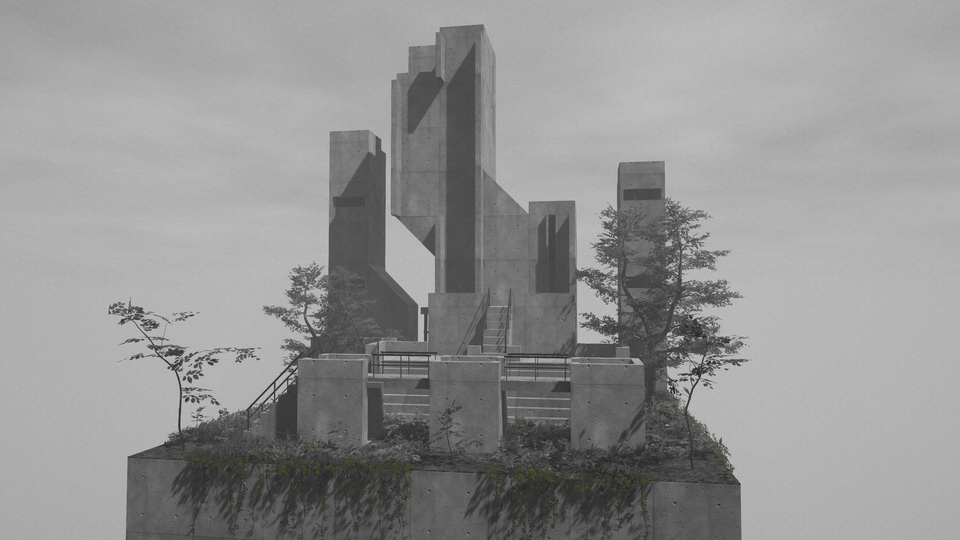
But sometimes a genre grows quietly and gently, far from the slopweeds. The sandbox building game has yet to sicken me. Townscaper, Tiny Glade, and Sandcastle are toys of cosy architecture. But what if you wanted a toy for harsh architecture? Here you go. Tiny Brutalism is $5 and will have you feeling like... like... okay, look, I don't know famous architect names and every time I write about brutalism I have to go look them up. I thought László Tóth was a real person. Anyway, this little videogame about building blocky concrete shapes is good.
It's straightforward. Pick a plot size (8 x 8, 12 x 12, and so
Pour one out, chumbos, for toothless soothsayer cyberpunk, rendered gummy and ineffectual upon the deflating crystallisation of our own dark future-present's tropes, which are mostly boring and stupid. Gen AI primarily exists because today's oligarchs were sad no-one wanted to paint their portraits. All the street drugs either make me anxious or sleepy and no-one is even trying to make the cool lickable feathers from Vurt.
The robots might gain sentience, but it won't make them happy, since the robots are just here to solve the conundrum of wealthy sociopaths still needing someone to clean the toilets in their apocalypse bunkers. The cyberdecks are neat but mainly useful for avoiding forced Adobe updates. No-one gets a Gundam. Everyone gets the lettuce shits. The sky above the port is the colour of a viral raccoon's butt.
🕶️
The Cooldown is Nic's twice monthly column about shaking strategy games and seeing what stories fall out.
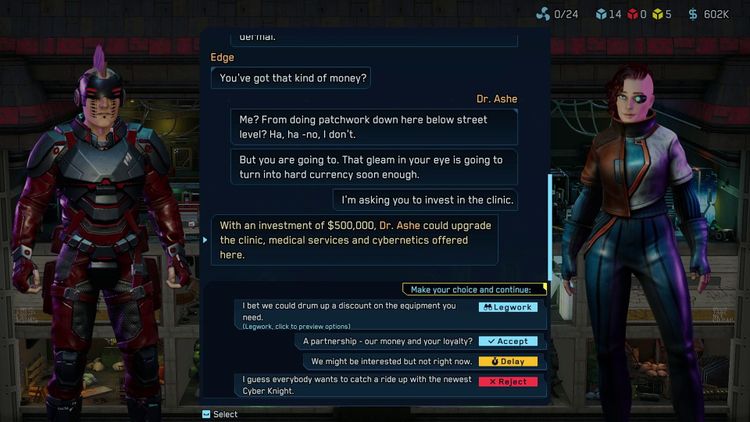
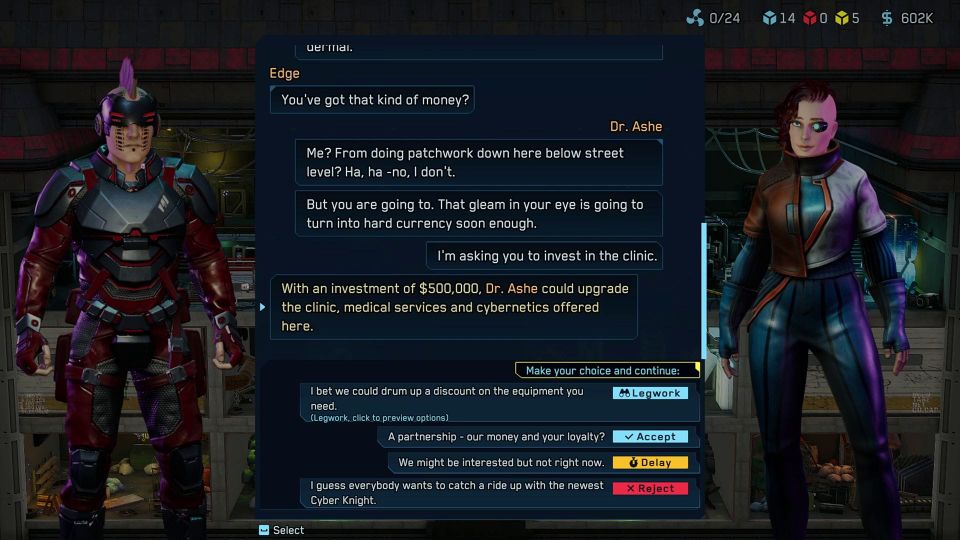
Prescience be damned - stealth tactics gem Cyber Knights: Flashpoint wallows in post-relevance cyber-kitsch with magnetic, married-to-the-bit abandon. Your cool criminal mates don't call you 'friend' but 'chumbo'. A computer's intrusion countermeasures are shortened to 'IC', so hackers 'Skate IC'. People insult each other with "B-tier citizen". Built atop pulverised pastiche as it is, I don't mean to suggest the worldbuilding is in any sense thin - there's a chunky codex of corpo names and cybernouns. But it is just predictable enough to be comforting, just clever enough to be in conversation with its own tropes without that conversation evolving much past "hey, chumbo. Cool jacket".
Please, allow me the benefit of the doubt when I say how amusing it was to read the headline "Dr. King Murdered!", and think, genuinely unsure: "...was that us?"
Jey's Empire is not an FBI simulator, but a satirical, narrative sort-of simulator of a weird, paranoid racist struggling to contain his flamboyant urges while guarding the USA against the agents of immorality. Which of course means hippies farting about in the woods, a film where someone says "damn", or a Black person doing anything at all.
☎️
This is Sin's column about the games of yesteryear. Not old enough to be retro, not shiny enough to be new. This is the hinterland of PC gaming. And the first of our subscriber goals!
It's crucial that everything is filtered through this horrible buffoon. J. Edgar Hoover will do anything to anyone questioning the status quo, but also make a twat of himself by personally phoning a Black Panther and pretending to be "ghetto", because he just can't help himself. He's doing awful things but the game ridicules him in text and design.
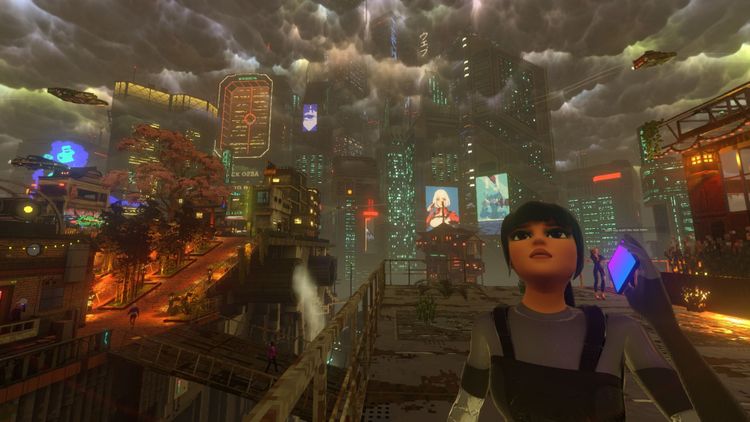
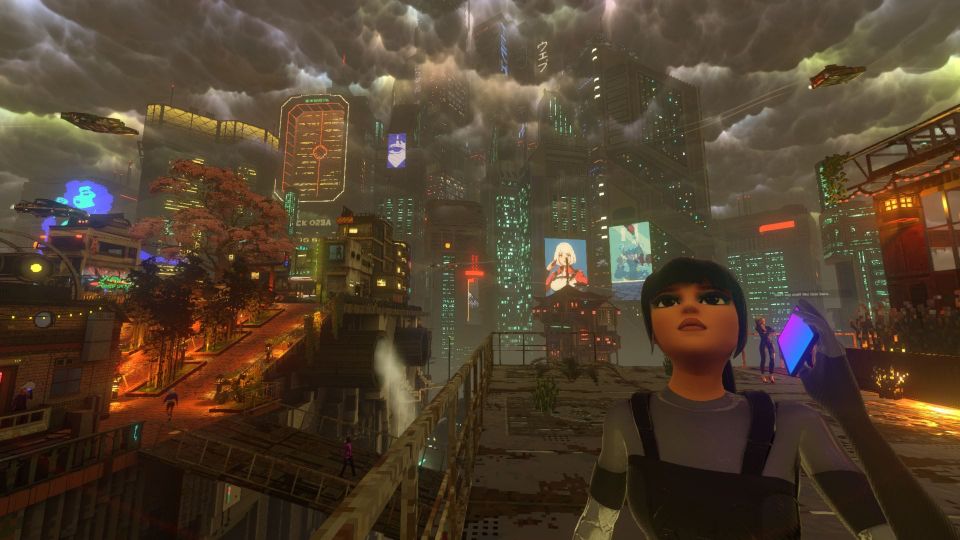
The best thing you can do in Nivalis Nights is hold down the J key and watch your list of quests vanish. The city will flood your eyes. Freaks in plastic clothes roam the plazas, bright adverts are reflected in rainkissed slabs, little delivery robots zip around at knee height, hovertaxis thrum overhead, the walls are plastered with signs and graffiti and posters and aircon units. The sky is... god, is it boiling? Why didn't you see all this before? Well, it's easy to miss when you're blinkered by small business chores.
At any time almost a quarter of the screen in this flashy life sim is covered by a long to-do list full of objectives like "restock ingredients" or "buy a houseplant". Not only does this homework menu take up more real estate than the highrises towering over you, it also acts as a constant reminder to go go go, do do do, quest quest quest! It was only when I learned to make this journal disappear and ignored my workload that Nivalis' biggest strengths beamed through the smog. It's a wet cyberworld built for pedestrian ambling and for chatting to random strangers. In other words: quit your videogame job. Forget about your bank balance, for once in your life, and go for a walk in the neon rain. You won't regret it.
🌆
Living In Sim is our monthly column about simulation games, and the frequently stupid misadventures they inspire.
On your very first day in Nivalis some guy you barely know gifts you his rundown ramen stand, and kindly includes all the debt that goes with it. To pay that off you'll need to find ingredients, source new soup recipes, hire waiters, and get more bums on seats (seats sold separately). From here, the game spirals out into other life sim territory - supplement your noodle stand by going fishing, try your luck at wreck hunting, start an urban farm, buy an apartment, decorate the apartment, abandon the apartment for a nicer, more expensive apartment. Have you too grown immune to the paradox that home ownership is achievable in dystopian videogames but not in reality? Cool. Let's move on.