Beyond These Stars is meant for someone less jaded than me. I got used to the little society living on the space whale's back referring to themselves as "Peeps", and it's far from saccharine or overly positive, but the main energy of its campaign in particular is... nicer than I'd prefer. I wasn't particularly bothered by where its story would go as a result.
But you're not really here for that, of course. You're here because these [barely perceptible twitch] Peeps have established a home on the back of a giant space whale, and can direct it around an unfamiliar star map to discover new resources and side bits as you gradually expand their town. This part has its appeal, but I felt like tapping out long before I'd even unlocked its more exotic resources.
That fantasy-horror writer HP Lovecraft was a virulent racist and out-and-proud Anglophile is no longer esoteric knowledge. His writings are peppered with bigoted musings and contemptuous descriptions of Black people and other races, yet despite this his works remain immensely popular due to the existential nightmares they conjure. Many contemporary re-tellings of his stories, like the cottage industry of Lovecraftian videogames, simply choose to avoid his most racist rhetoric, surgically removing the prejudice in his works like cancerous cells from a body. You won’t see any Cthulhu worshippers or prisoners being referred to as "men of a very low, mixed-blooded, and mentally aberrant type" in these tales, as Lovecraft himself had described some people in The Call of Cthulhu.
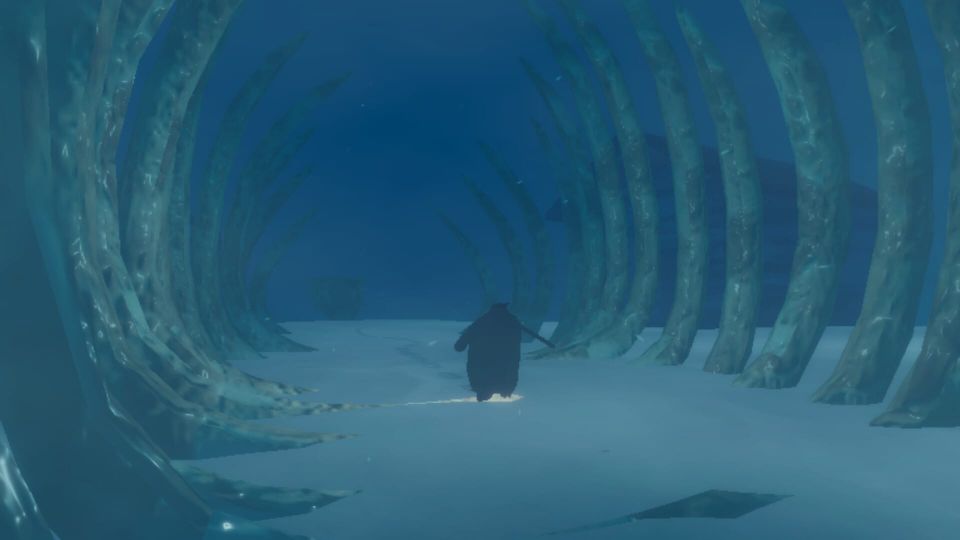
Penguin Colony, however, refuses to look away from Lovecraft’s bigotry, with developers Origame Digital reinterpreting one of his novellas through an explicitly anti-colonialist lens. Based on At the Mountains of Madness, it depicts a catastrophic expedition to Antarctica in 1939 by Nazi soldiers (a group Lovecraft himself had some sympathies for), with the tale being chronicled by a British scientist named Howard Blakely. No punches are pulled, no time is wasted; within the game’s opening chapter, a camera pans towards a flag adorned with the Nazi insignia being flown in a base camp. The purpose of the expedition is clearly stated: the group was here to unearth the origins of the so-called Aryan civilization. Following in their footsteps is a Māori faction, who seek to eliminate whatever abomination the Nazis are planning to unleash.
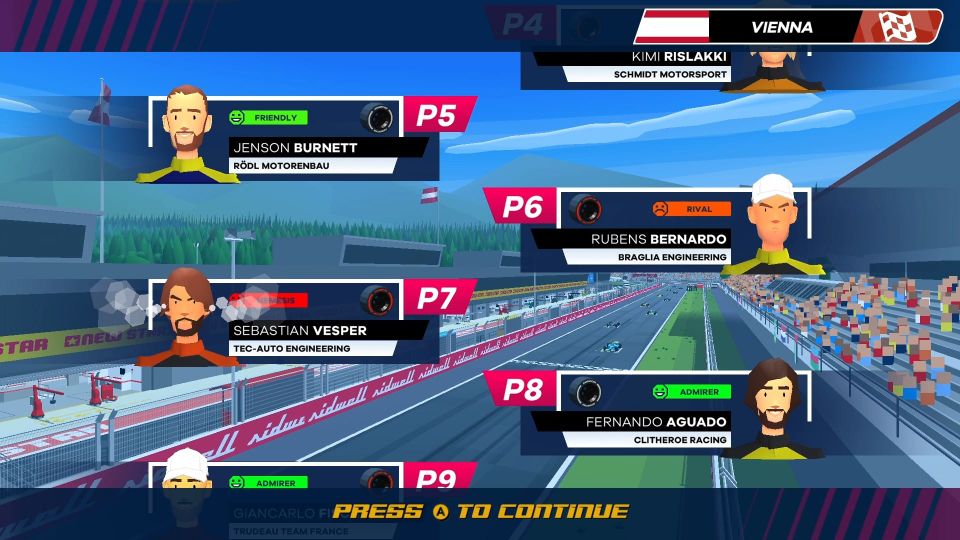
Smoke is shooting out of Sebastian Vesper's ears. I only see it on the starting grid, but Vesper is my "nemesis". That I haven't noticed until now must be infuriating. Sure enough, once the race starts, Vesper is swerving around in front of me in a frantic attempt to prevent me passing him. I do so anyway, a few corners later, but Vesper keeps close behind despite typically being one of the slower racers this season.
Arcade racing games almost always start you at the back of the pack. Your opponents are then barely sentient obstacles to be steered around as you slip into a flow state and slalom towards your inevitable victory. Not so in New Star GP. This is an arcade racer that looks at home alongside Virtua Racing, right up until it asks you what your pit strategy is going to be. Minutes later you're halfway through a Grand Prix and realising that your fuel load is making you slow, your hard tyres are carrying heavy wear, your gearbox is on the fritz, there are rain clouds on the horizon, and that you insulted Sebastian Vesper so hard in the press that his hatred for you is making his car faster.
I'm not sure there's a genre name that fits New Star GP. "Simcade" suggests it's much more of a simulation than it really is. Arcadulation gets closer, but let's not injure ourselves. New Star GP is fundamentally still as colourful and approachable as any other arcade racer, it's just one that's built layers of character and systemic consequence into every decision you make in its career mode.
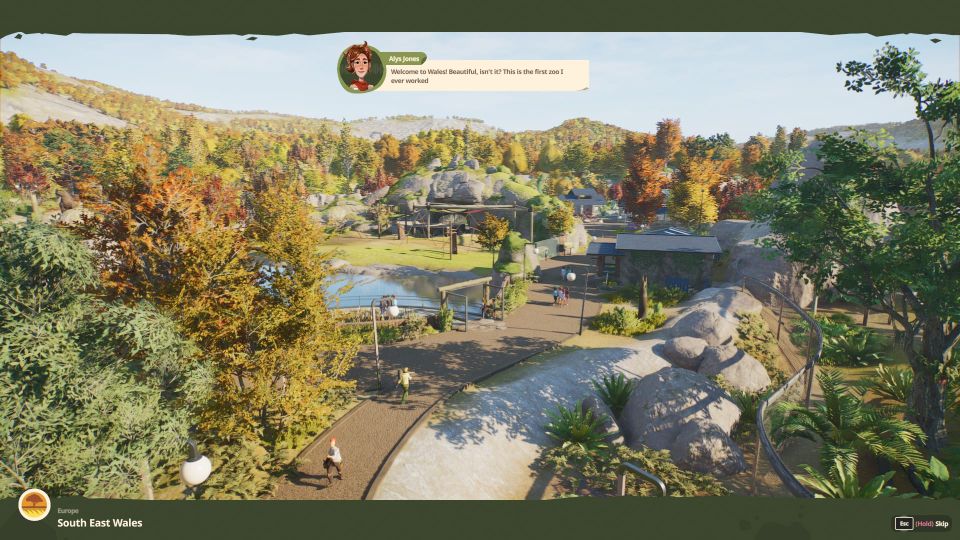
Planet Zoo 2 tries to think about what the purpose of a zoo is. As well as managing zoos around the world, you’re invited to participate in the improvement of various wildlife reserves, from the well-established to the new salvage of land after corporations have made it uninhabitable. The career mode in particular walks you down a path of balancing the everyday running of the zoos with the preparation of habitats and the animals that will be released there. It’s a great idea that unfortunately just doesn’t come out convincingly.
The zoo management part of the game is fiddly and complex in ways I assume sickos of the genre (and I use this epithet positively) will be pleased to hear about. The welfare of the animals, for example, requires them to be part of an appropriate social group, and to have enough space in their enclosure, with the right mixture of terrain and plants, the correct temperature, and enough enrichment. And that’s only the basic level of welfare, which you will need to max out in multiple cases to continue the career mode, and not the thriving status which requires research and additional upgrades.
Animal happiness is just one thing you’ll have to track, alongside whether your zoo is making money, if your guests are cared for and educated, if your staff are looked after, and your zoo’s reputation and marketing. That’s all before you even think about adding new animals or sending rehabilitated ones off to the reserves.
In a box somewhere, I have a polaroid of Cliff Bleszinski pretending to chainsaw off my head. It's a memento from a trip to Epic Games which I'd won in a fan-art competition by drawing a giant frog-monster. This trip, and the early hands-on I had with the very first Gears of War, formed the basis of a preview that turned into a 20-year-long incarceration within the games industry. I wouldn't say this makes me a superfan, but I can't help but look at E-Day—a prequel to or perhaps a tentative reboot of a series that so neatly maps onto what I unconvincingly call my career—with a mixture of rare nostalgia and crushing mortal dread. If only I could be rebooted too.
At least I can now get answers to the many questions that have tormented my every moment since 2006: How did hardbitten jarhead protagonist Marcus Fenix get that scar on his ultra-wide chin? Which Archimedean genius invented the chainsaw-gun? And, primarily, what were the events of "Emergence Day", when the Locust—a league of hideous subterranean creatures—first popped out of their burrows to wreak planetwide horror upon humanity? If these were questions that you had never really been tempted to ask, then no matter: this game serves as both a fresh introduction and the most potent distillation of its cover-shooter core to date. So pure indeed, that E-Day does not believe it needs any other sort of distraction across the course of its 20 hour-long campaign. To the combat designers' credit, it's almost true.
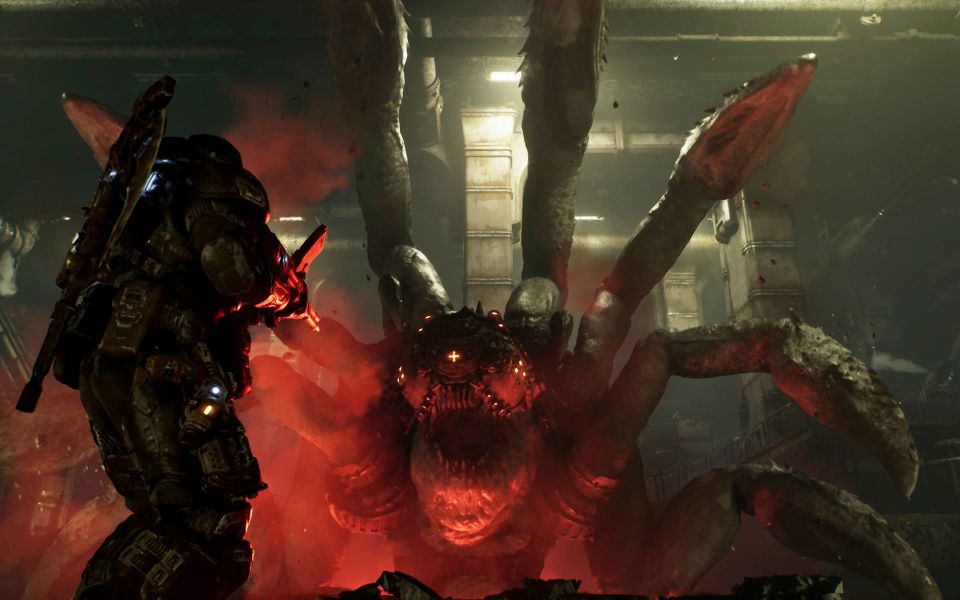
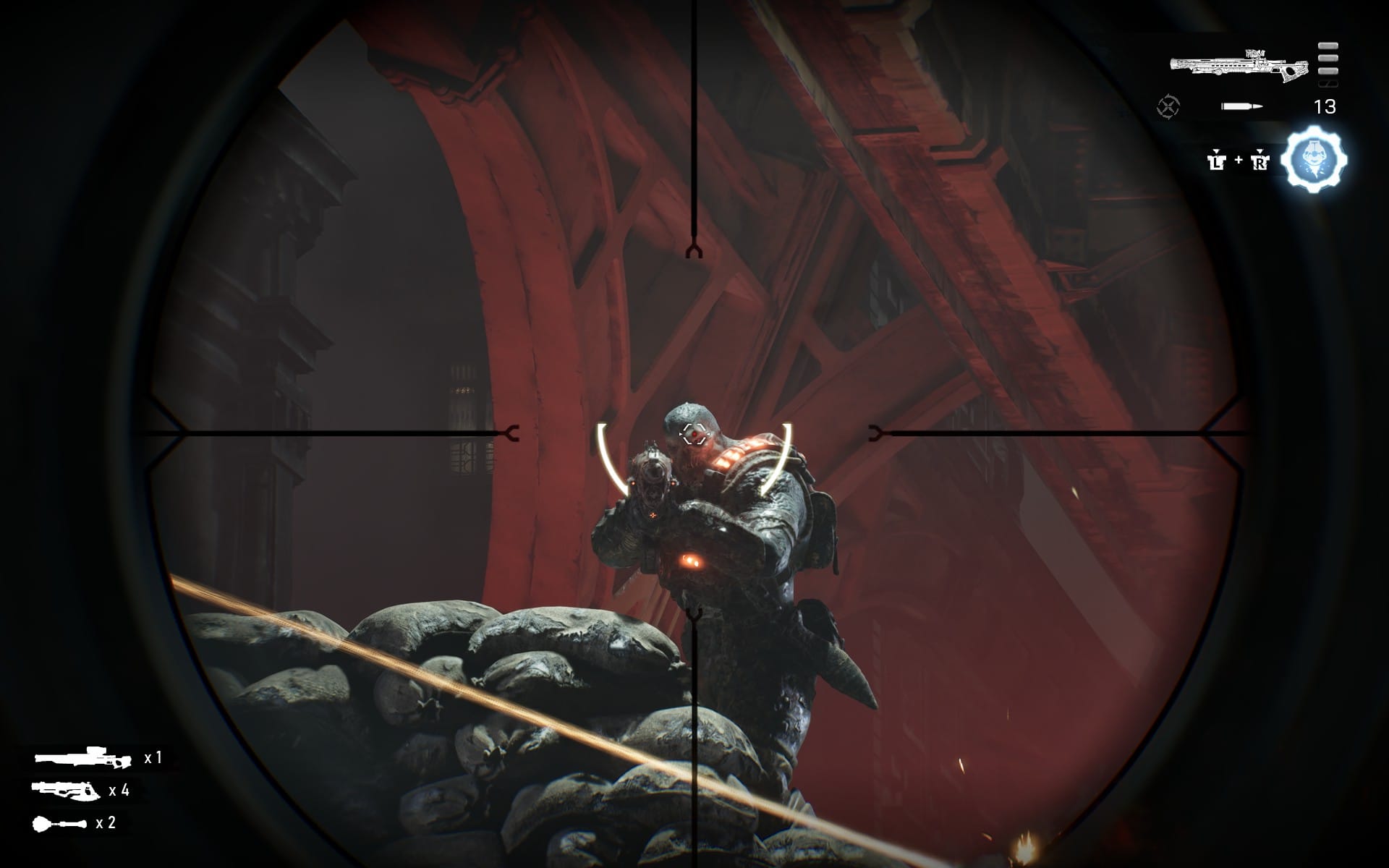
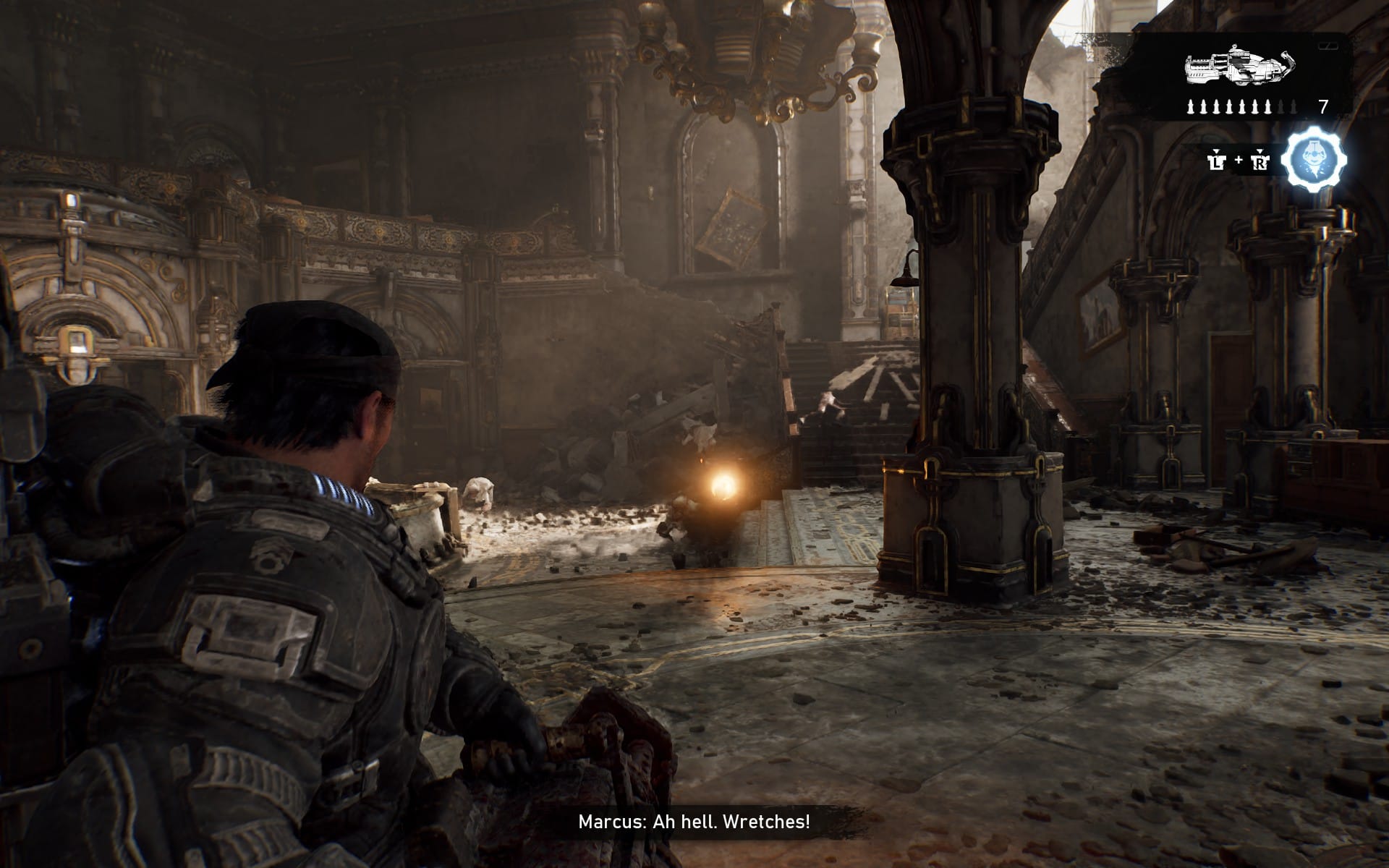
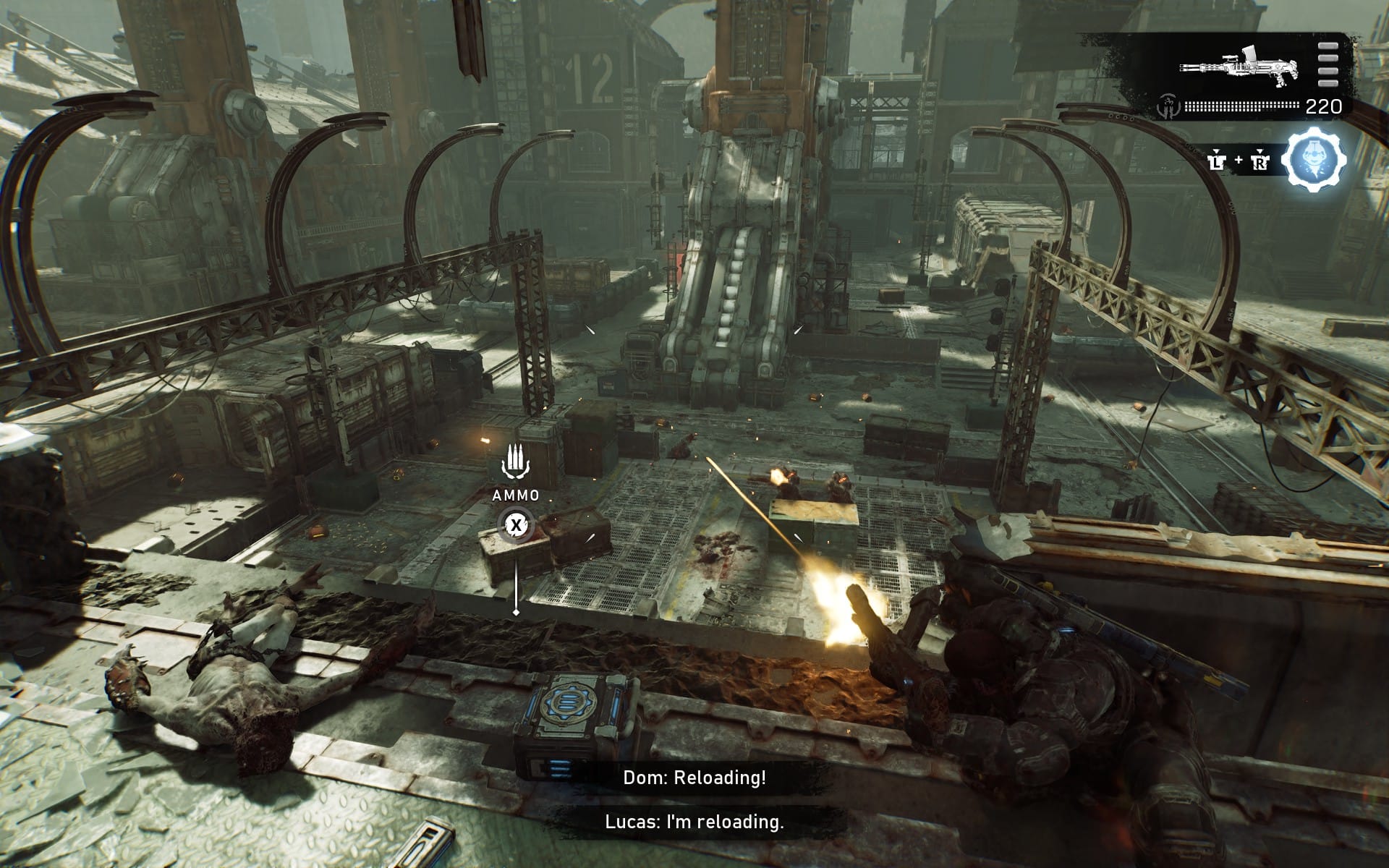
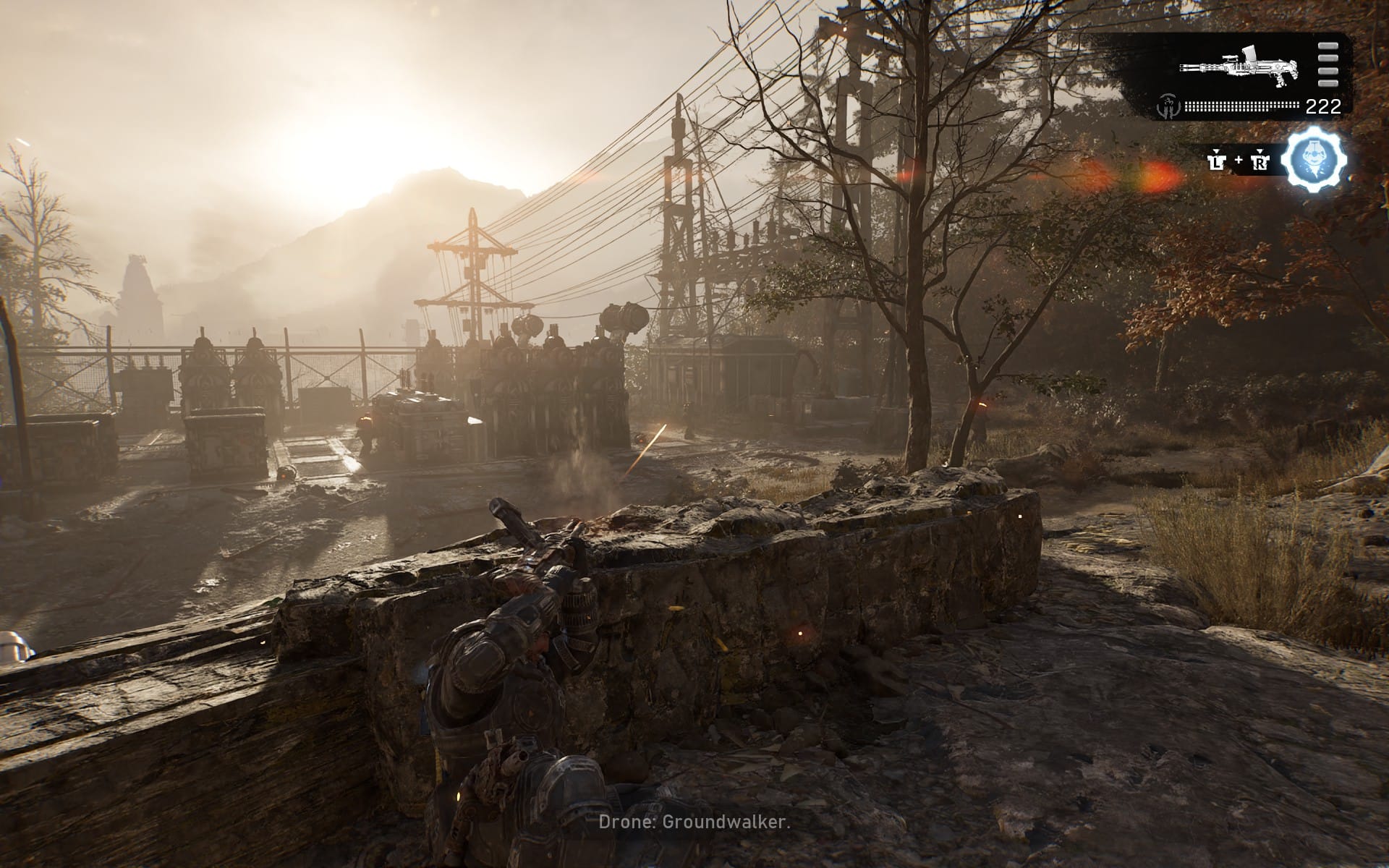
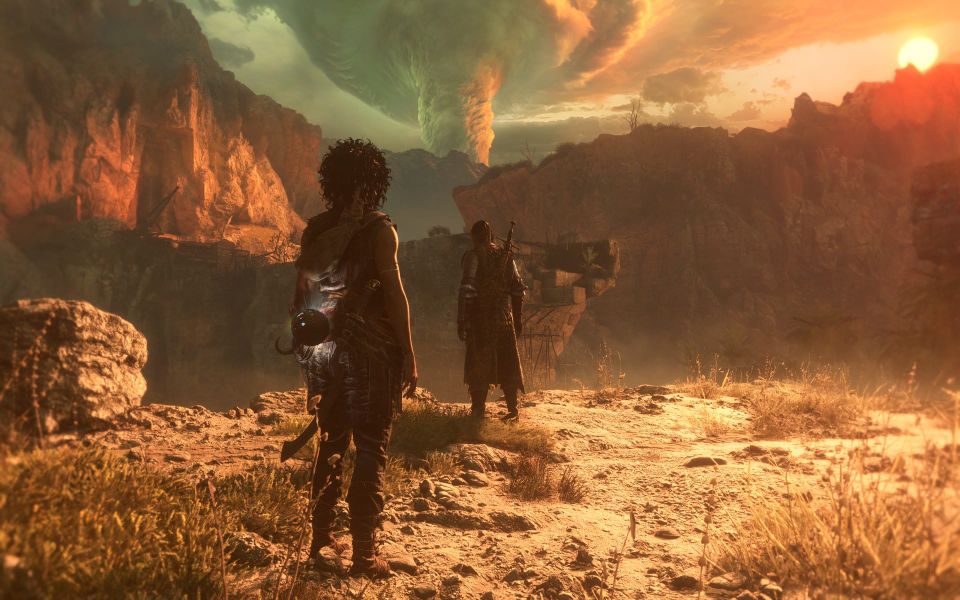
E-Day is a handsome game, but it's quite difficult to take a good representative picture of its combat: most of the time you are hunkered down behind a low wall.
Amid the ubiquity of cover-shooters that followed Gears' release, and because of the game's own wilfully obnoxious, frattish tone, it's easy to forget or overlook what made—and now makes again—Gears' tactical combat so clever, taut and tactile. Beneath the gleeful head-stomping, chainsaw-revving bloodshed is a game about quick thinking, positioning and coordination, with players forced to adapt their defensive formation to counter the increasing pressure and changing threat of their foe; or to break an intractable deadlock with suppression, distraction and flanking.
As readers in the UK will know, there are many hells, and you can and should put together a team to rob powerful figures within them. And such a team would of course be not a spreadsheet of optimal (ugh) builds, but a guessing game of hedged bets and approximate ideas.
Thousand Hells has you lead this team on a journey, first to reach hell at all, then to find and retrieve something, or get agonisingly close before making one too many mistakes and losing everything. But this isn't the arbitrary, timewasting death of the roguelike. This is just that story. It can be dissatisfying, and parts of it can not really make sense. This is at times its big flaw, and at others, where it feels most successful. Are we still saying "same"?
Each game is an adventurous journey followed by a heist, then a shorter but still fraught journey back. Each is also a named plot with a specific target, and could take you to one of four hells (the "thousand" are scene-setting) this time. It's also a new team, including you, the leader.
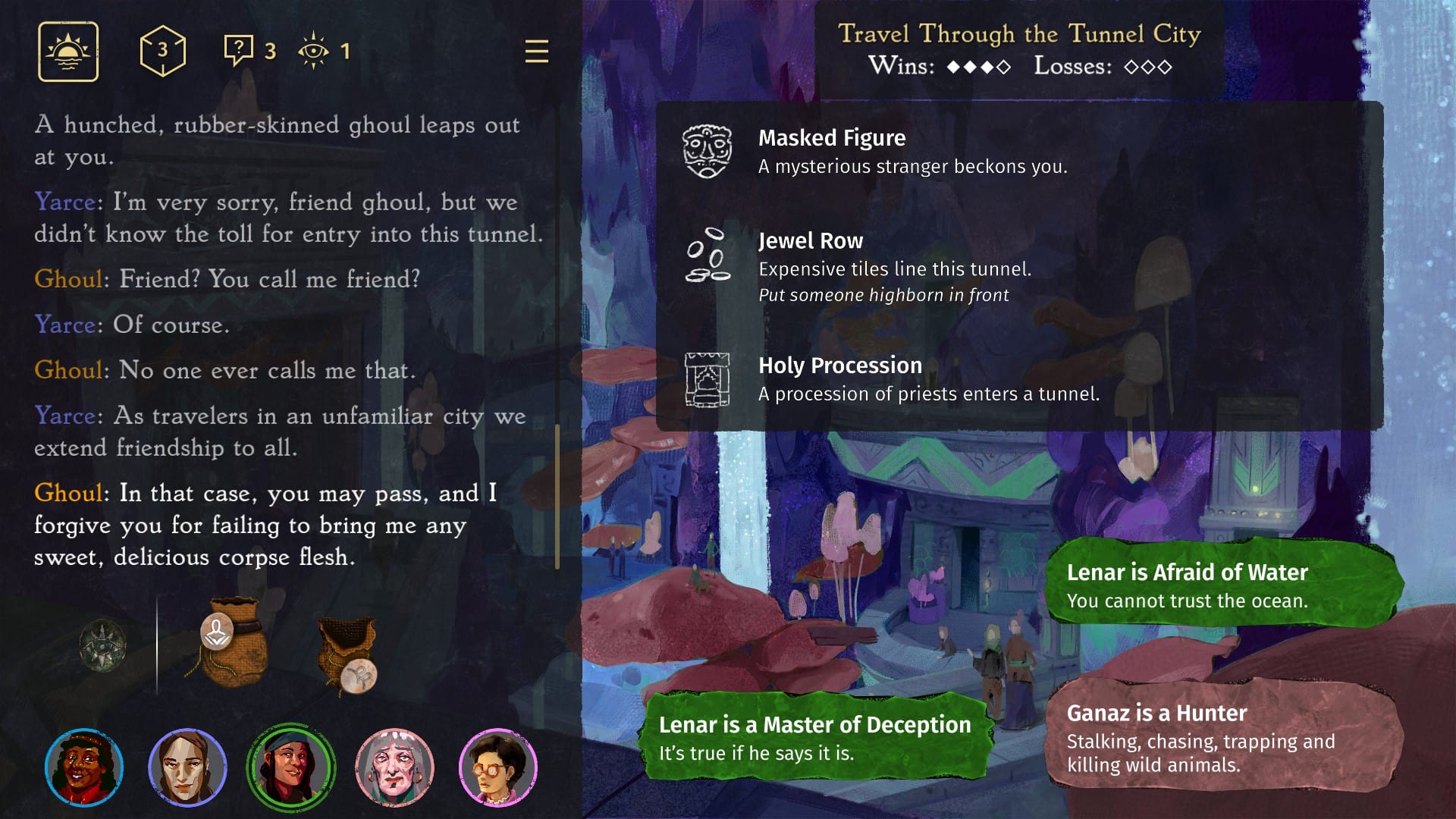
This caption is a formal request for Tunnel Ghoul fan art
On a certain kind of dull, wet day, my dull, wet brain craves a particular sort of comfort: to burrow into the plush, numbing blanket of a middle-to-lowbrow thirdperson action-adventure. Blockbuster brawling, a light bit of puzzling, and an enviably sunny island idyll backdrop is all I ask. A little bit Uncharted, largely unchallenging and entirely unrepentant.
From a cursory glance at the trailers, Resonance: A Plague Tale Legacy presented as exactly this—at least to a fool, such as myself, who had not at that point played the previous, enthusiastically grim Plague Tale games, to which Resonance is a prequel. It is also a departure from their relentless filth and pestilence: a breezier action spectacle that hews closer to mainstream conformity, composed of the popcorn action-adventure staples I crave. There is brawling, puzzling and, yes, a stunning island idyll to explore. But then, just under half-way in, it abruptly decides it isn't content to coast on genre expectations and introduces a novel and horrifying element, a bit of systems-first enemy design that is so unguessably strange that I can't bring myself to spoil it in this review.
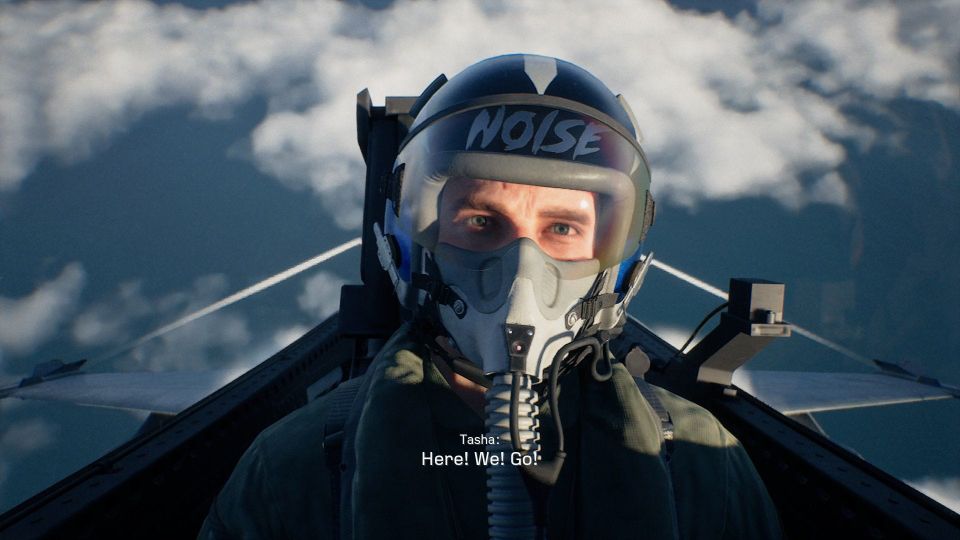
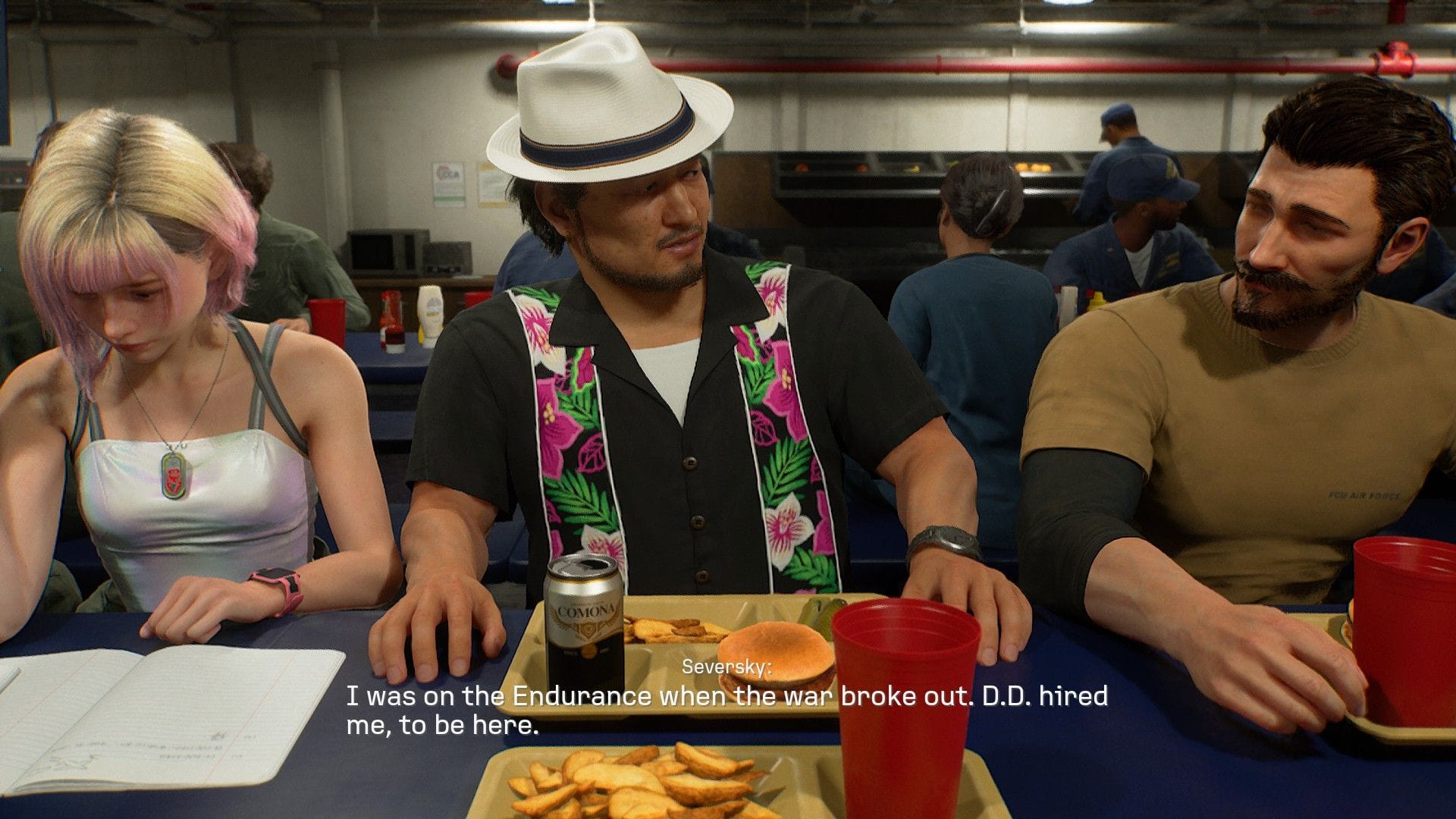
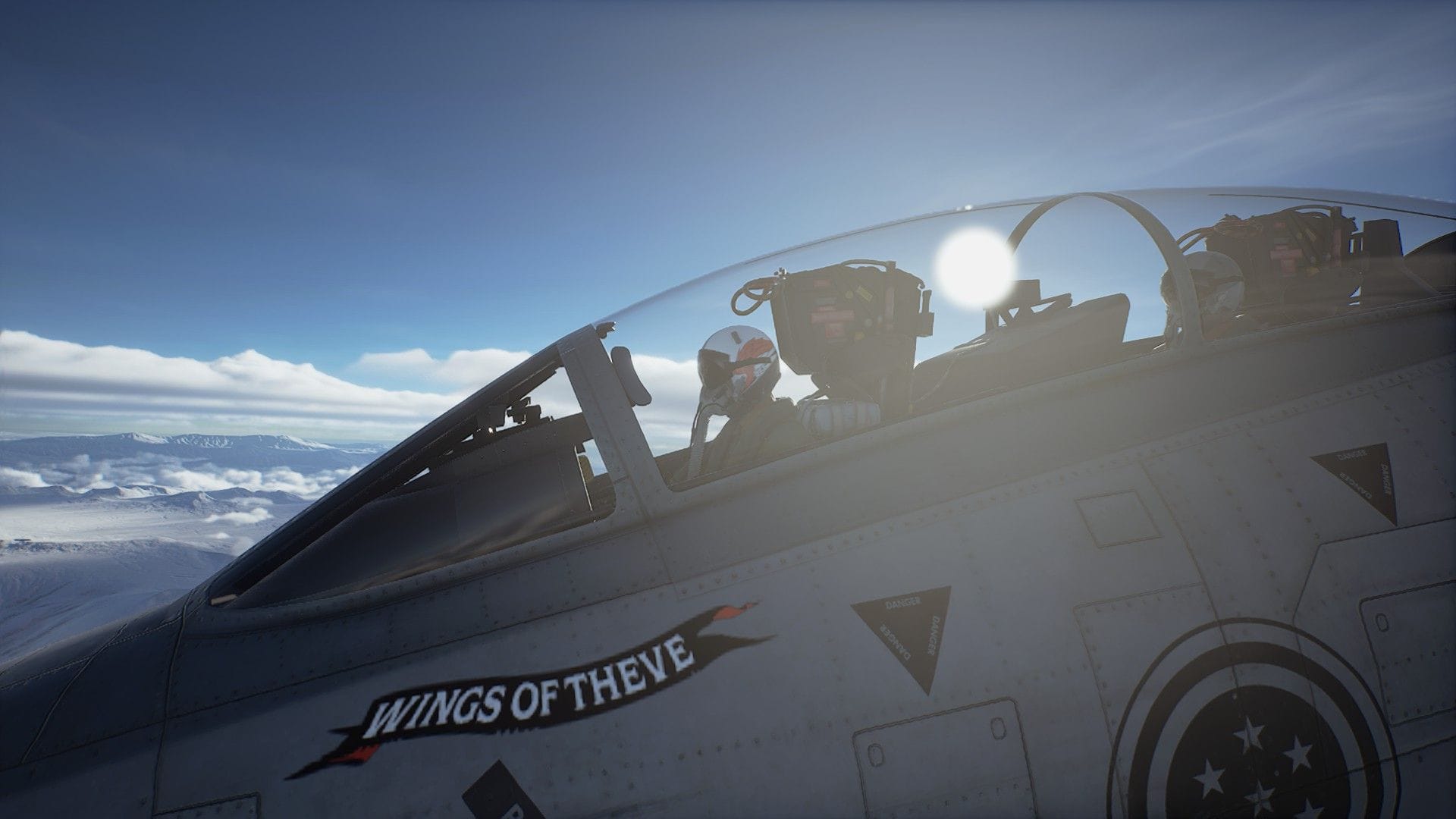
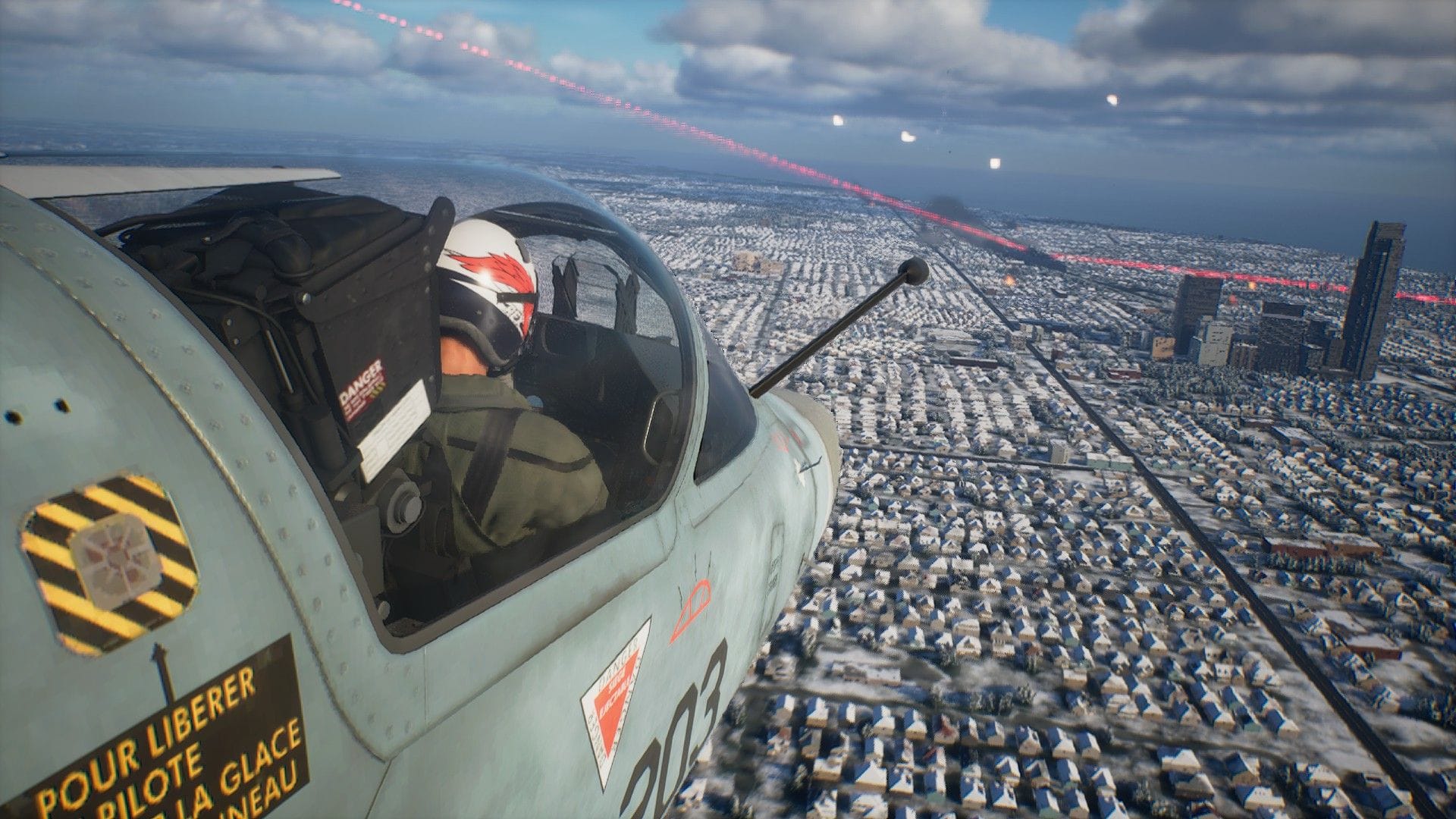
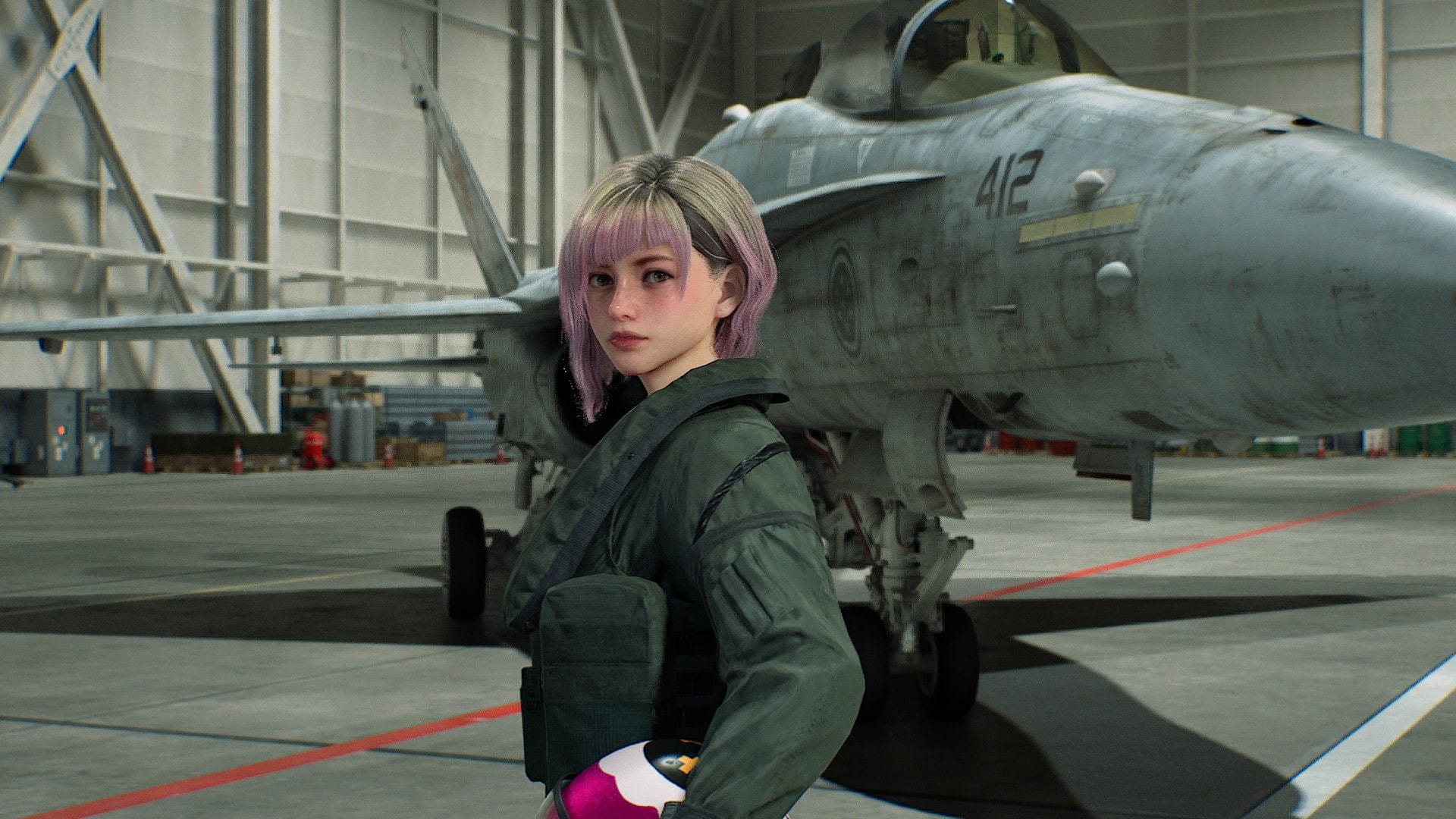
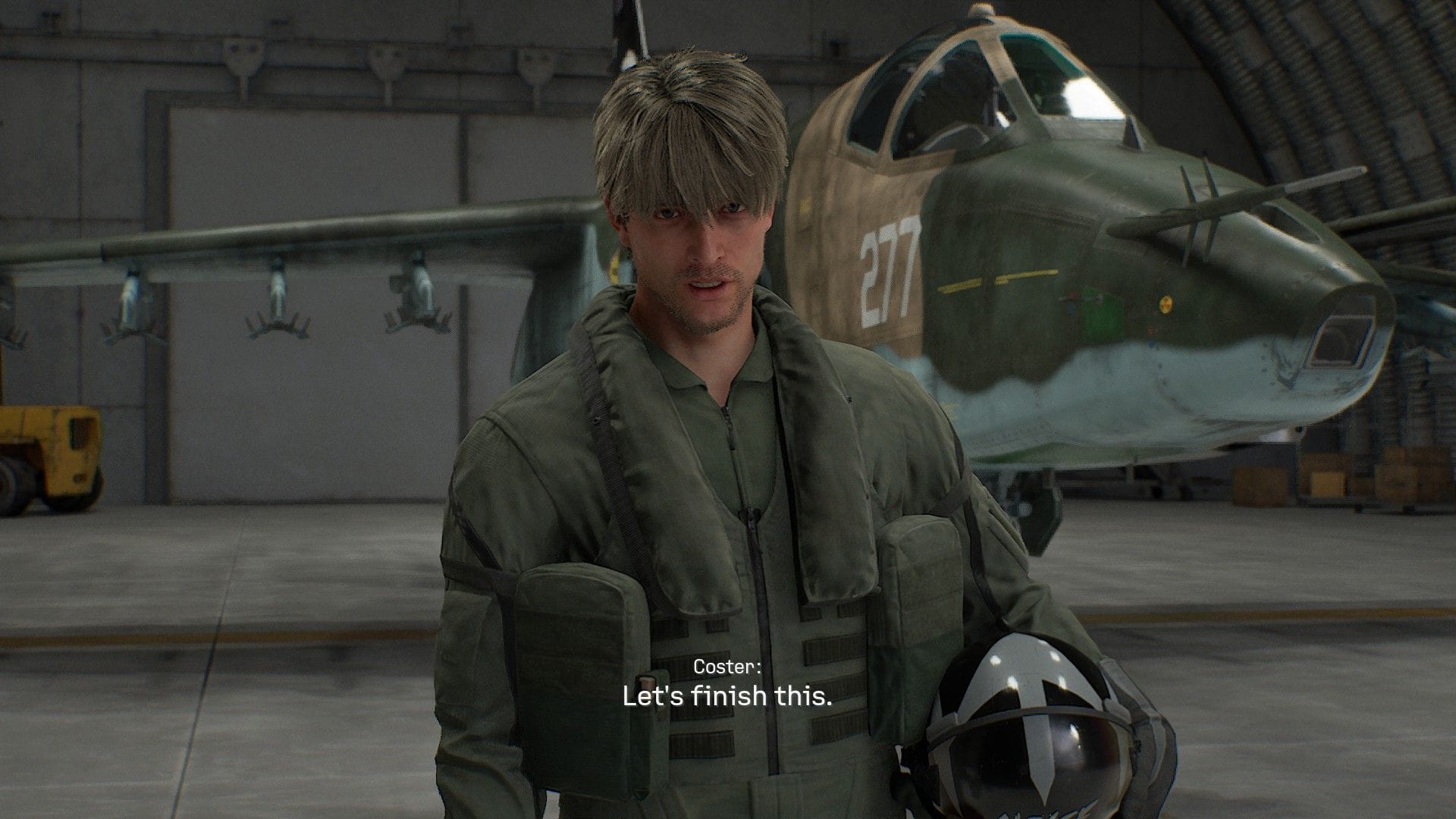
If Ace Combat 7 lacked anything (and I don't think it did) you might say it was a feeling of getting close to your wingmates. Project Aces think so anyway. Ace Combat 8: Wings of Theve repeatedly plonks you right on the deck of its aircraft carrier homebase, in first-person perspective and proximate enough to reach out and touch your squadpal's perfectly rendered stubble. You cannot get much closer than this. But there is a sense of overcompensation. Mission by mission this passive in-flight entertainment takes over and the player gets fewer displays of spectacular air buffoonery of their own.
Luckily, the story is continuously stupid in the refreshing way Ace Combat can be. I don't think this new jetshootser is as airtight as the previous game in the series. There is, frankly, a lot of filler. You find yourself going through the motions of popping ground targets until the next lengthy story beat can hit. But when it's good, it remains an explosive cavalcade of implausibilities that makes me laugh. For Ace Combat, that's enough.
You play as a silent pilot known to the world as "Wings". But only because you've inherited this nickname, Dread Pirate Roberts style, from a pilot you knew for less than a day. To top it off, you now hear his lyrical inner monologue inside your own head for the whole game. It's an off-beat choice that, at first, reminded me of the dead narrator in Sunset Blvd, but was cheapened as soon as the voice drew attention to the conceit ("So you can hear me?" he says. "This is weird for me too."). But that's videogames in general and Ace Combat games in particular. They like to spell things out in big letters written in smoke in the sky.
Between the voice in your head, the canteen chats, and the rock musicians, it feels like the narrative designers have been playing a lot of Cyberpunk 2077.
The series' characteristically farfetched storytelling - a head-on collision of sincere cultural observation and comically militant absurdity - is standing to attention throughout. Once again, it's WAR. The best interpretation of these rocketing jet 'em ups I've read is that they belong to the mecha genre. They are theatrical in a disarming way that'll win over anyone willing to accept a world where convicted felons are allowed to fly MIG-29s to atone for their crimes, where global wars with millions of casualties happen every 10 years but where there's still enough optimism to build space elevators and gleaming futuristic cities just in time for the next weapon of mass destruction to be invented. There are interesting themes in Ace Combat games - they are delivered with the subtlety of a cruise missile.
This airship has a 1km wingspan. It deserves to be shot down for its hubris alone.
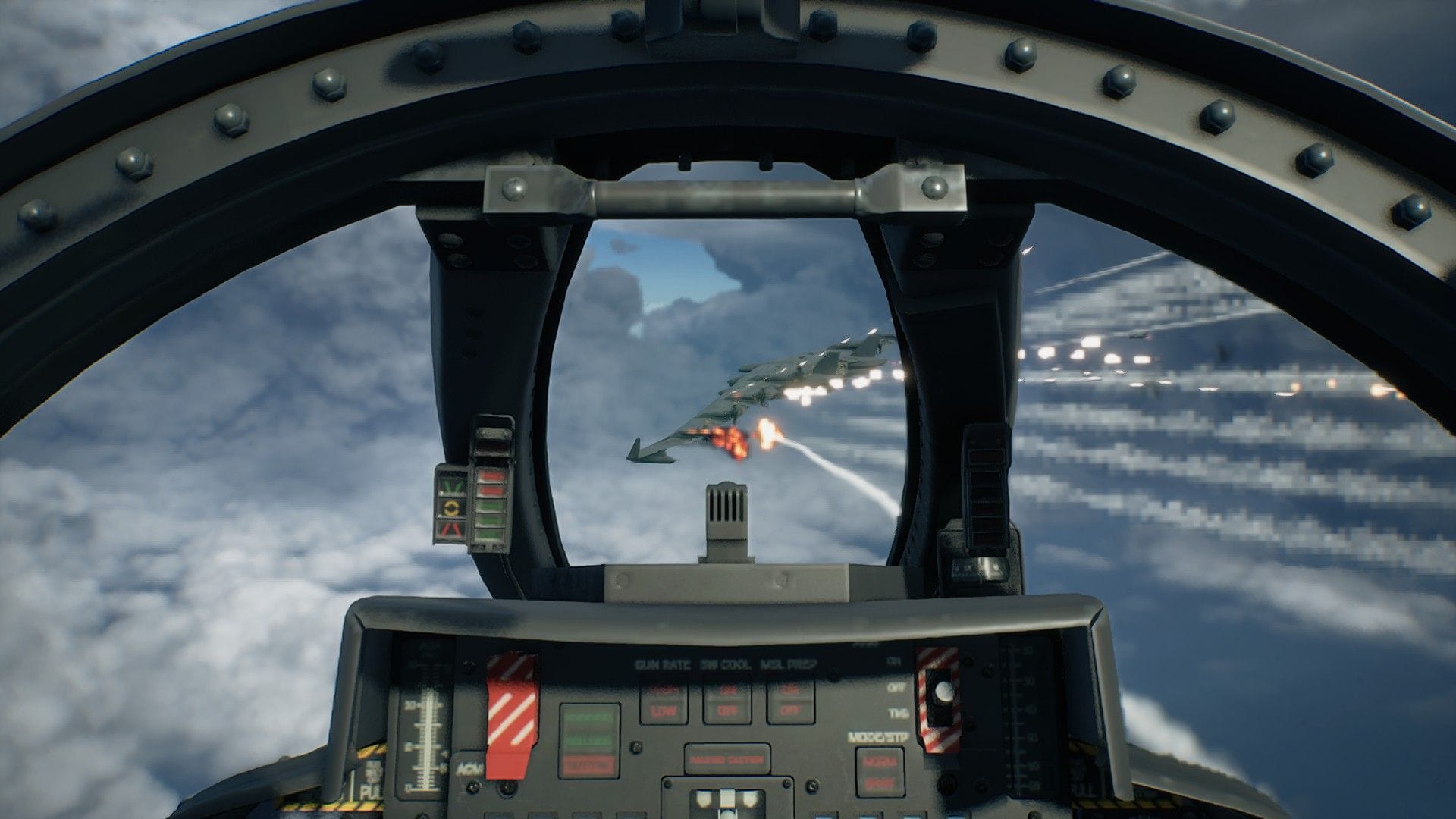
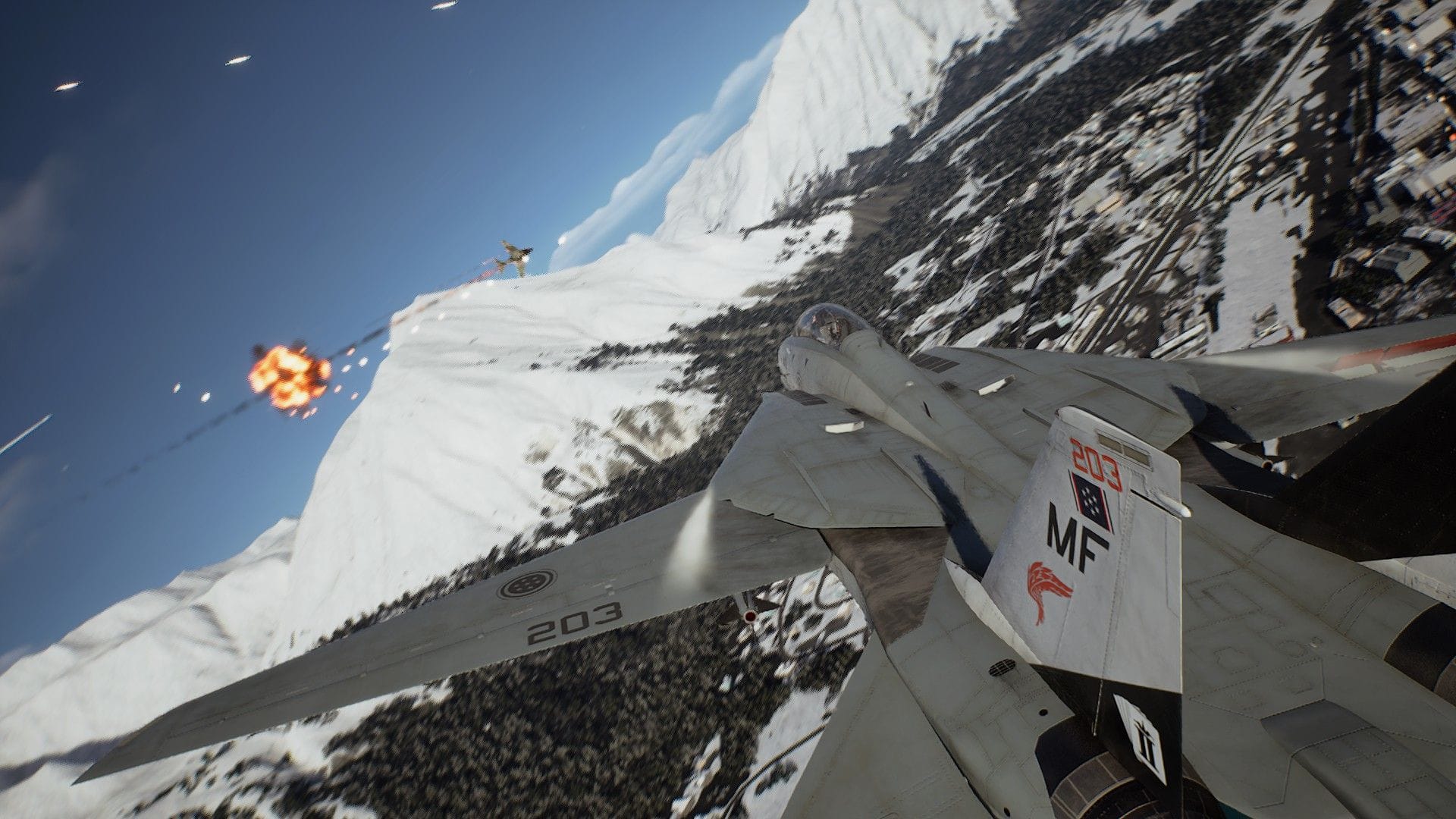
As for what it's actually like to fly: yup, feels good. You airbrake hard into high gravity turns, launch special air-to-air ordinance, pop flares when a missile is locked onto you, and chase bad guys through drippy clouds when your homing reticule is interrupted by beautifully composed sky mist. I miss the thunderstorms of its predecessor but its possible I just didn't fly through the right bits of dark heaven.
Some of the most tense air battles can involve a ferocious amount of airwave chatter. Fighter squadrons, ground troops, commanding officers, and enemy trashtalkers compete for your focus at a clattering pace. In these missions, the feeling can be one of chaotic overwhelm. You are flying through an aural storm of in my sightses, on your sixes, and bombs awayses, with both friendlies and rivals blasting music over the comms. Among all this staticky crosstalk you have to listen for mission critical information - who to shoot and when to get 'em shot by. It's as much an exercise in concentration as a test of your piloting skills.
The post-flight replay after every mission really lets you enjoy whatever dusty graphics card you cannot currently afford to replace. Still looks decent on my crumbling Nvidia RTX 3060. But be warned: I had plenty of hitches and drops when playing on medium settings.
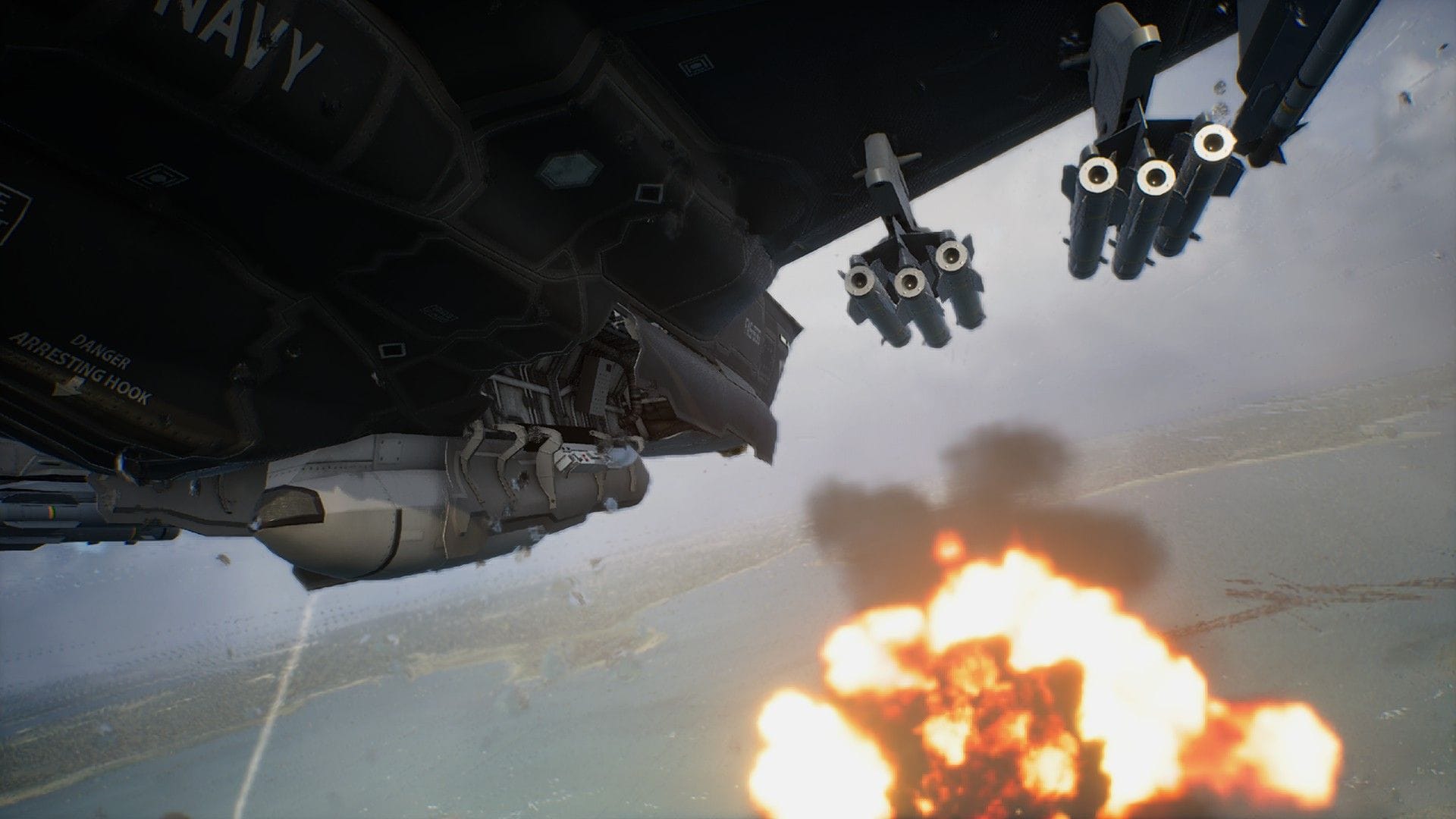
You kit out your jet accordingly. A mission with lots of ground targets? Stuff your steel belly full o' bombs. Anticipate a dogfight with some nippy aces? Pick something fast and stock up on missiles with special guidance abilities. As ever, you earn points in each mission to spend on new planes and parts. You'll fit gadgets to make your missiles lock-on faster, or reload quicker, or grant extra space to carry more ordnance. Later you can unlock some green-flavoured support planes that you'll fob off on your comrades because their special electronic warfare gizmos buff your own missile lock capabilities.
With 30 missions in total, they were destined to be hit and miss. Highlights include flying under the struts of a floating island and blasting the support pillars as you glide past. Or dodging huge glowing bursts of railgun fire from land battleships that have burrowed in among innocent skyscrapers, like a cat at the back of a cupboard filled with delicate glassware.
You pick the planes for the rest of your squadron too, and they give you a little one-liner before you decide, which is cute the first time but tried my patience the 30+ subsequent times.
But there are an equal amount of shrugfests and simple "kill everything" missions set against a timer. One mission sees you and a pilot buddy crashing in enemy turf - a South American coded country full of resistance fighters. Your escape sees you stealth-flying through green blobs of radar in an rickety old plane at agonisingly slow pace while the stakes are melodramatised to you via dialogue on the radio. Aside from being a repeat of Ace Combat 7's most annoying mission, there is almost zero tension. You're just gliding gently to the exit while everyone says: "Oh no!" On the other hand, this is also where the story throttles up to perilously high levels of glamourous idiocy.
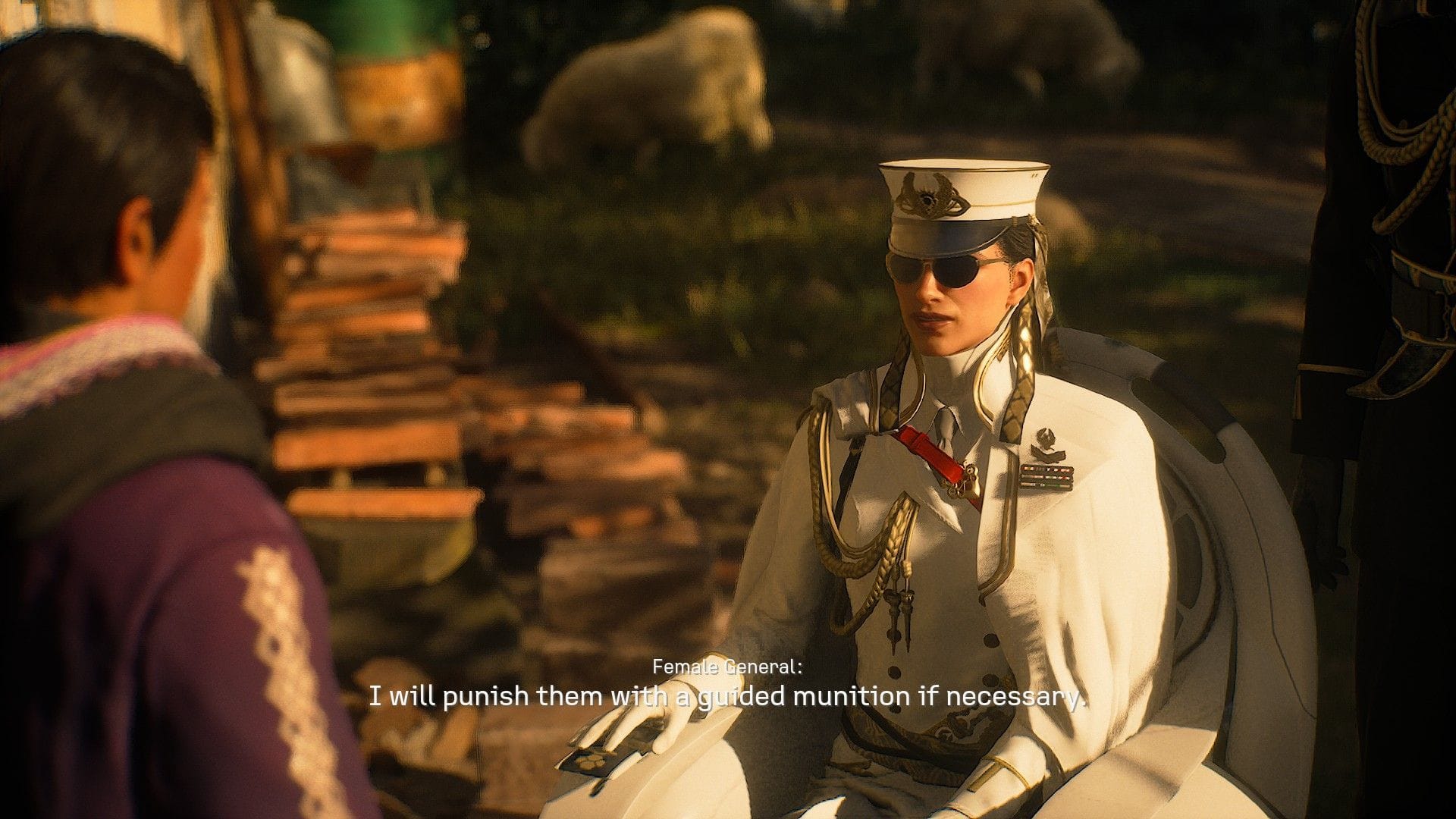
The village you crash near just happens to be visited by the most important General of the enemy air force - a futuristic wheelchair-bound woman of deadpan villainry. The first-person sequence that follows is a kind of Inglorious Basterds style dinner scene with four ace pilots squinting at each other (your head is on a swivel during these sequences, so you can look around, but not do much more). The villainess is served tea and, instead of extending her good arm to take the teacup, a robot arm rises from beneath the table and passes the cup to her working hand. It is a hilarious and needless flex of robotics.
The General notices a villager has been hurt by soldiers and shows her sympathetic side... by promising to launch a missile at the culprits.
This character is not alone in her animeness. Many others feel like the result of a brainstorming session taken to hard-drinking extremes. What if there was a pacifist ghost? What if a famous rock band could pilot F-16s? What if the General was a nomadic tribal heiress? What if the British air traffic guy was called "Dealer" and spoke entirely in gambling metaphors? What if there were a bunch of pilots who hid underground until they went crazy from being deprived of flying for too long?