
I enjoyed Mixtape and therefore it's good
The music video for 1998's All I Need by French electronica duo Air features a young couple skateboarding in the suburbs of California, mixed with interview clips of the pair trying, and mostly failing, to explain their feelings for each other. A YouTube upload of the video has become a shrine to the era for a particular type of person. "This song just sums up the vibe of the '90s," says one commenter. "I miss those days so much and feel sorry for this generation that didn't get to experience this type of life, free from all the social media bullshit."
Mixtape, released last week, is clearly inspired by the '80s movies of John Hughes, especially Ferris Bueller's Day Off, but it may as well be an adaptation of that music video and the aching nostalgia of its comment section.
Click through to YouTube to read the comments. They're nice.
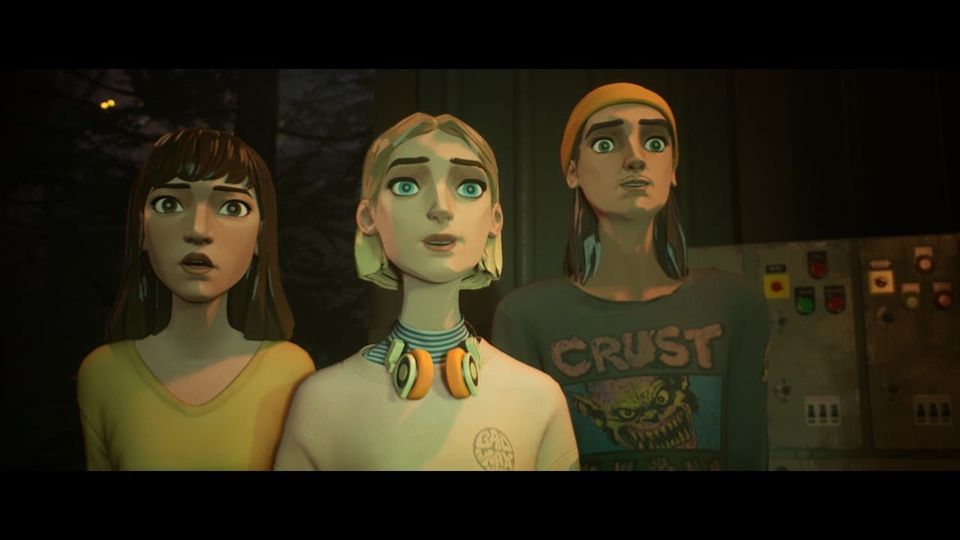
It's Stacey Rockford's last day in town, the summer after the end of high school, and she and her friends Van and Cass are determined to make the most of it. That means securing booze to bring to that night's big beach party and listening to the soundtrack Stacey has put together for each stage of their day.
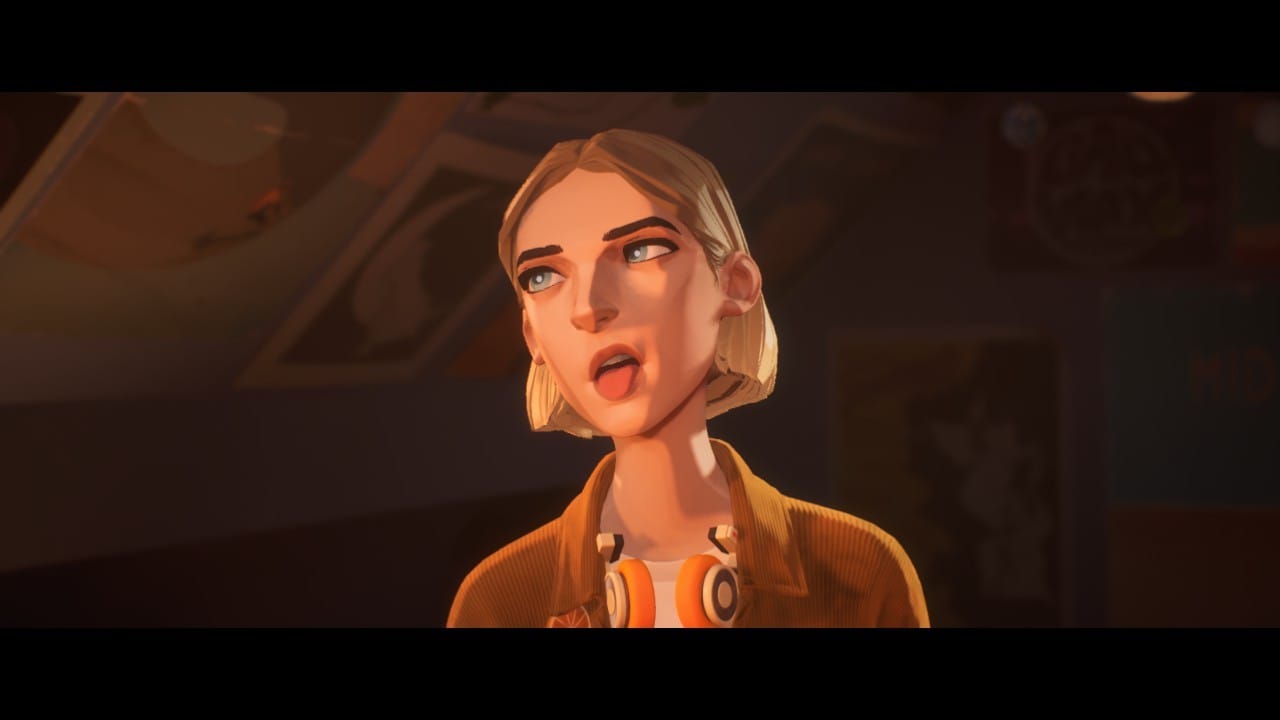
If the setup sounds familiar, so is the method of its telling. Stacey talks directly to the camera like Ferris Bueller to introduce each song, headbangs with her friends in their car like Wayne Campbell, and understands every emotional moment of her life through the lens of a song like Rob in High Fidelity.
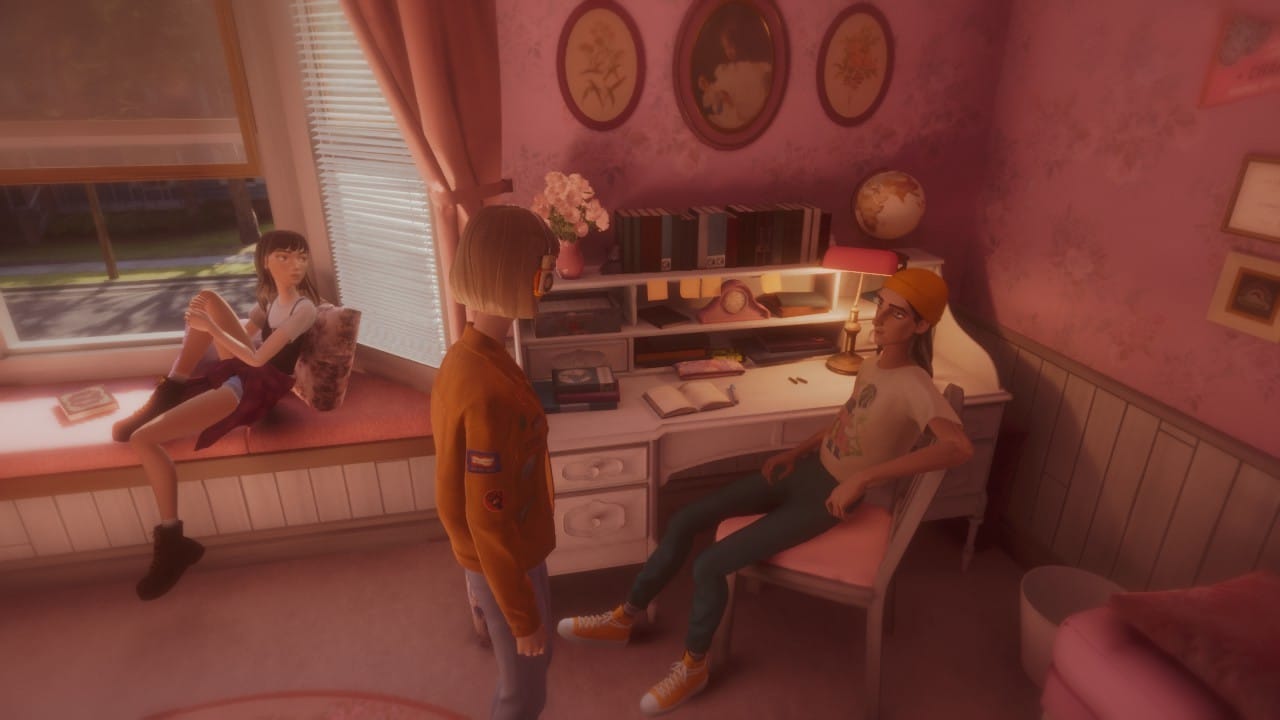
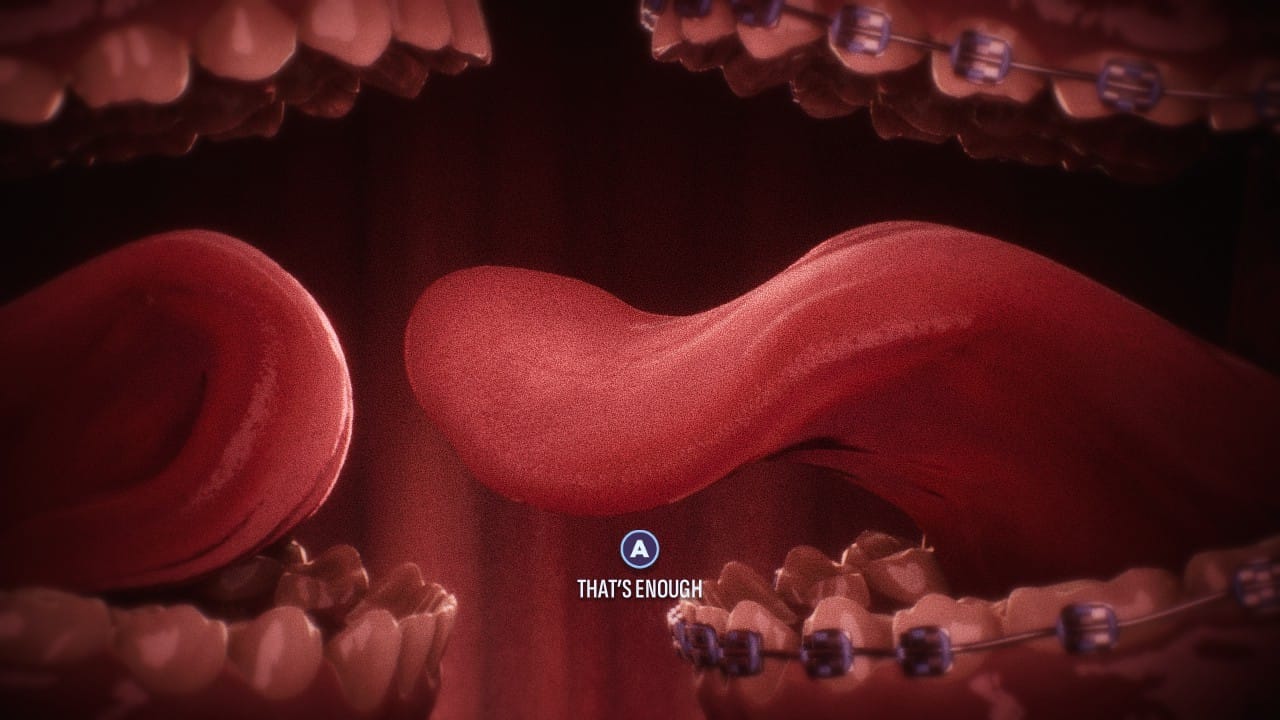
Where it differs from those cinematic references, it's best thought of as Thatgamecompany's Flower but with stoner kids instead of petals. As each new song on Stacey's soundtrack begins, the setting shifts from suburban mundanity to the fantastical as the characters soar through the sky, say, or cut an explosive path through town on their skateboards. At other times you'll hang out in their bedrooms, selecting objects to prompt dialogue from the friends, or a flashback in which you play a minigame such as skipping stones or striking baseballs. Mixtape is generally light on interaction, although it's always tactile and satisfying to play, and the vignettes work best when they exist to deliver jokes, as when Van must navigate a video store while absolutely wasted.
I try to play every game with an open mind, but I expected to dislike Mixtape, primed by my reaction to an extremely similar game, last year's Lost Records: Bloom & Rage. Both games are about teenagers in '90s American suburbs, both games feature the discovery and decoration of an abandoned shack in the woods as a major plot beat, and both games are about characters who experience the highs and lows of adolescence through the auto-nostalgic filters of music and VHS tapes. I found Lost Records to be a photocopy of a photocopy, a towering stack of secondhand cultural references that buried any hope of reaching emotional truth, and a purveyor of a feigned, commercialised nostalgia. In short, I thought Lost Records was a lie. Most nostalgia is.
On paper, Mixtape is no different. This is absolutely the '90s as seen through the eyes of a 2020's YouTube comment section, teenagedom as filtered through the language of a set of '80s movies made by a man born in the '50s, and a soundtrack that borders on implausible for an actual teenager from the era.
I can pinpoint the moment Mixtape won me over anyway. Cass, the newer of the three friends, asks somewhat sarcastically what Stacey and Van did before she was around. 'I don't know, just hung out at the mall a lot,' Van answers. You then get a brief flashback sequence in which Stacey and Van, mapped to different analogue sticks, clown around in a photobooth. You pose them, push their faces in front of each other, and snap pictures. When it cuts back to the present day, Stacey and Van share a look, and say nothing else.
It doesn't bother me that those characters are unlikeable
Photobooth hijinks are a cliché, but there's an admirable commitment to showing rather than telling in Mixtape's writing, and the vignette is fun to toy around with. Most importantly, I find the feelings - Cass's slight insecurity at being the newer friend, Van and Stacey's already-developing nostalgia for a rapidly disappearing childhood - to be relatable. It felt true, in other words, and that was all it took. Not every moment in Mixtape is as successful, but from then on I was invested in what would happen to the trio.
It was this simple investment that ameliorated most of my other concerns. Nostalgia is about looking back at a moment that's been lost, but Mixtape felt alive and present once I was properly engaged by its characters.
It doesn't bother me that, at times, those characters are unlikeable. Stacey is an especially difficult protagonist, in that it's easy to view her unkindly in the exact way you might view any teenager unkindly. She's grandiose, obsessive, a little selfish, occasionally cruel, and you have to look closer to see the insecurity and doubt that lies beneath. You might also hope to see more character growth, but Mixtape only depicts a single day and night in these character's lives. Stacey does not learn, as Rob did in High Fidelity, how to make a mixtape for anyone other than herself, and you might need to extend her and her friends a little generosity.
The model here really is the work of John Hughes. Nearly every one of his movies, coldly dissected, reveals a cast of unlikeable sociopaths who do harm to one another and learn all the wrong lessons at the end. His movies also, I think, work, and their characters are beloved for a reason. It doesn't matter, for example, that Ferris Bueller learns nothing while all but forcing his put-upon best friend Cameron to upend his entire life. You just have a good time watching them tool around Chicago, and you go along with the characters in any Hughes movie, if you do, mainly on the strength of the actors' charisma and, yes, sometimes the soundtrack.
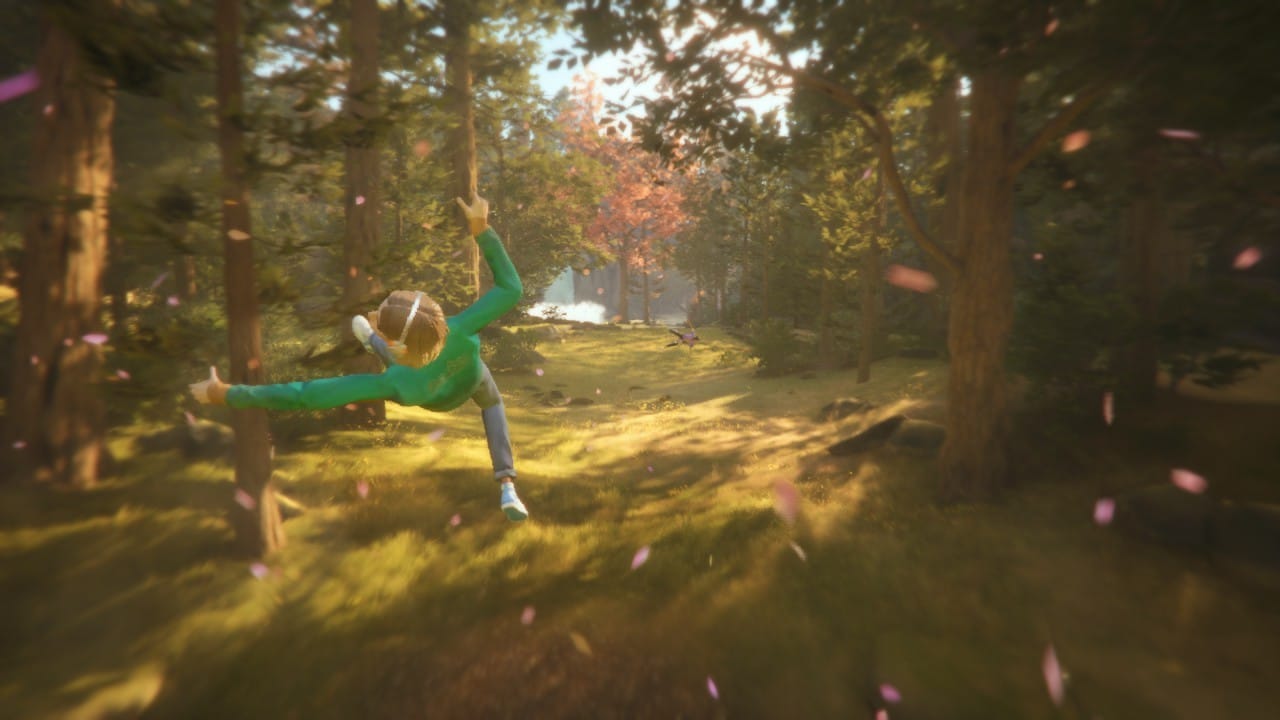
You go along with Mixtape, if you do, owing mostly to the latter, and to the overall quality of its editing and animation. As a product - that is, a set of slickly produced music sequences with a little light interactivity - Mixtape looks, sounds and feels immaculate.
As a work of art with something to say, Mixtape is conversely easy to pick apart: shallow, rose-tinted and bound to raise the hackles at least a little of anyone suspicious of nostalgia.
The music video for All I Need was filmed in the '90s, but even if the Fugazi and Beastie Boys posters are authentic, it's no less selective a snapshot of the '90s or its characters than these decades-late pastiches. The couple in it broke up not long after it was filmed, for a start. Does that make it a lie, too, or the painful yearning of the YouTube comment section beneath it any less real? When the woman from that couple arrived in those comments a few years ago, she was by then in her 40s, and felt unapologetic about that period of her life. "This is what I thought love was at 19 years of age," she wrote. I imagine the cast of Mixtape might leave a similar comment under the game, if they could, here in 2026.
All games are art and all art should be held to a high standard. I could coldly dissect Mixtape as product or as a work of art and make an argument for or against it, but I'm choosing to take a study of my own feelings. I find I care about Stacey, Van, and Cass now, and no matter what else I think of it, that feeling is true.


Comments ()