
Life at Telltale was “complicated”
When survivors of Telltale Games get together, they tell war stories. I know because two veterans are speaking to me now, and they look into the middle distance as they tiptoe around the complex feelings they have regarding their time at the ill-fated studio.
"The stories would just go on for days," says Michael Choung, who wrote for a handful of Telltale's games between 2014 and 2016. "Whenever Telltale people get together and talk," explains Choung, "it's not like 'what fond memory would you like to share with me, because I will share my fond memories with you!' It's always just like: 'Oh my god, that was happening to you? Oh my gosh.' Yeah, so it's a very complicated feeling."
I'm chatting to Choung in a video call alongside fellow Telltale alumni Nick Herman, director of The Wolf Among Us and choreographer across many Telltale games. He agrees things were sometimes messy, but would later sum up his time at the studio as "worth the squeeze".
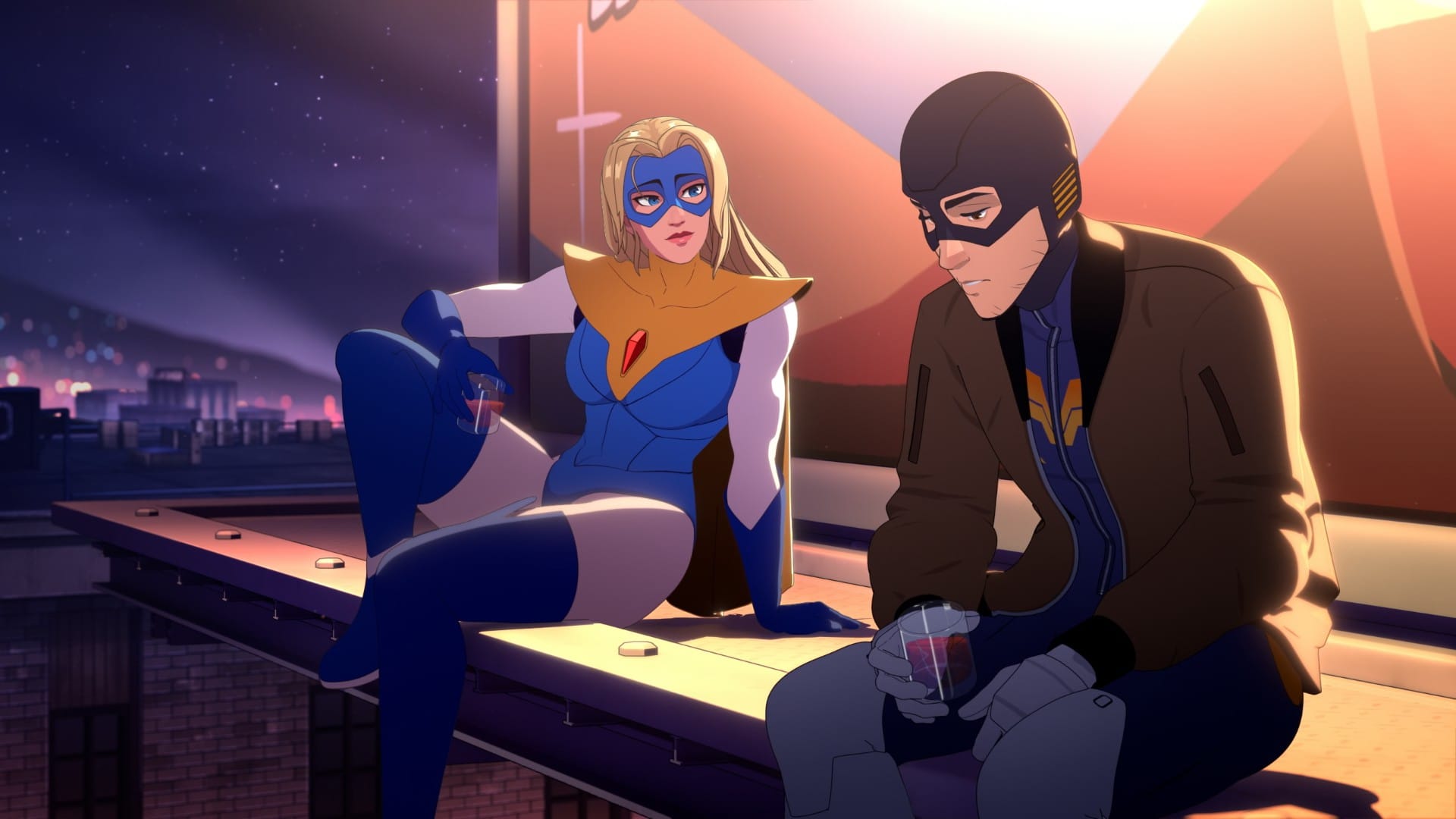
Choung and Herman are now two of the head honchos at AdHoc Studio, the developers behind recent superhero comedy hit Dispatch. It's pretty good - there's a fat dog in it who is always smiling, and I have laughed out loud with my actual lungs while playing. But right now I'm less interested in the success these devs have found in rethinking an old format, and more interested in what they've carried with them from Telltale Games, and what they might have jettisoned.
JANK BOX: A brief history of Telltale
2004
Telltale is founded by former LucasArts developers who want to continue making adventure games but... not the point and click kind? It'll never catch on.
2006-2007
Sam & Max Season One is released, a game that pioneers the episodic format. Funny. But it'll never catch on.
2012-2014
The Walking Dead sells 28 million copies. It'll never catch on???
2014-2016
The studio acquires rights to make episodic games based on many licenses, like Batman, Minecraft, Game of Thrones, and Borderlands. It seems to have caught on.
2017
It caught on too much! Workers at the studio are by now making multiple games at once, crunch is reportedly rife, sales of finished games are poor, and management decisions are criticised. The studio lays off 90 people.
2018
The studio announces it is closing down, laying off roughly 250 employees and leaving only a skeleton crew who would finish off Minecraft: Story Mode.
2019
Telltale comes back to life, staffed mostly by different people. They announce The Wolf Among Us 2. It'll never catch on.
"It's very, very complicated because you did get opportunities," says Choung about his former workplace. "You were young, and you did get opportunities that you wouldn't have gotten otherwise, potentially. But then it's also fraught with a lot of infighting, and a lot of honestly bizarre, semi-troubling happenings that occurred there."
Choung didn't mention anything specific, but he likens it to stories of behind-the-scenes chaos and the competitiveness of Saturday Night Live, the long-running US comedy show.
"It's a cast of creatives," he says. "It's all acting and producing and writing and stuff. Whenever I hear stories about that place, it always reminds me of stories [of Telltale]."
This paints a certain picture of a classic "work hard, play hard" office, where people are as hypertense as they are hypercreative. For context, SNL man Conan O'Brien once discovered Tom Hanks asleep on the writer's room table at 2am. Writers and hosts have called it a massively stressful working environment, while admitting that the prestige and sense of reward is nevertheless sky high. People who've worked on the live sketch show have all sorts of mixed feelings about it. The same is true for Telltale Games.
"I am forever grateful to Telltale," says Nick Herman, who began as an intern but later became director of The Wolf Among Us. "I joined that studio when I was 18 years old. I knew I wanted to either be a filmmaker or an actor. Videogames was not on the list, but I got an internship there. They were looking just for someone to roll posters, and they were, like, 15 people at the time. But I realized pretty quickly that it was the perfect studio for me.
"They let me start to cut trailers. And so, I mean, everything I have, my whole career is kind of owed to that studio and everyone who gave me a shot. So, plenty of years of fond memories. And even the ones that are tricky, and are complicated and messy - this kind of stuff almost always is."
Messy is the right word for it. Herman wasn't working there by the time Telltale Games was shuttered in 2018 - he had already cleared off. But for those still around, it closed with a suddenness that wouldn't have felt out of place in one of the studio's dramatic season finales. Employees got 30 minutes notice and many were let go with no severance pay. Melissa Hutchinson, the voice actor for Walking Dead character Clementine, was in the middle of a recording session when she and another actor were told to leave. She later called it "traumatic".
The reports that came out afterwards pointed to the company's fragile financing deals, all of which fell through in one disastrous sweep. But it was clear to those inside, who had been crunching on multiple projects simultaneously for years, that the studio had not been healthy for a while.
"You know, things didn't go great in the end for them," says Herman. "But on the whole, I mean, their impact on me, on the industry, on a lot of people's lives, I think, is kind of worth the squeeze. I don't know. It is complicated..."
"It's hard for me," he adds, "because I don't know if I'm just the person who sort of behaves this way or if I've been molded, but I've never shipped anything that was great where it was easy. All of the pain, for me... the whole point is to bleed a little bit for this. It's going to hurt, but that's how you grow and find something new.
"Things are better, things have had to improve. I mean, one of the things I think our studio has taken from Telltale, on a positive note, is that all of us were given a shot."
This is something both Herman and Choung mention again and again. Telltale, for all its dysfunction, crunch, and eventual disaster, gave them an opening. Choung owned a shoe shop before catching his break in videogames with the studio. Alongside him, Pierre Shorette (lead writer of The Wolf Among Us and Tales Of The Borderlands) was also plucked out of that same shoe shop. Shorette would later become a co-founder of AdHoc, and lead writer of Dispatch. Theirs might not be exactly a "rags to riches" story. But it is at least "Vans to grands".
That sense of opportunity and name-making was eventually undercut by mass layoffs and the closure of Telltale. But the AdHoc devs say they're nonetheless trying to replicate that personal sense of building a crack squad from unlikely places.
"We were all people who wanted to be like filmmakers and writers and directors," says Herman. "And we ended up in this place that really cared about stories and games and pushing the medium forward. And so a lot of our team at AdHoc are people that we pulled out of random places.
"We've got people from coffee shops, we've got people who made small games in Brazil that we thought were cool and had promise, and who are now key developers for us."
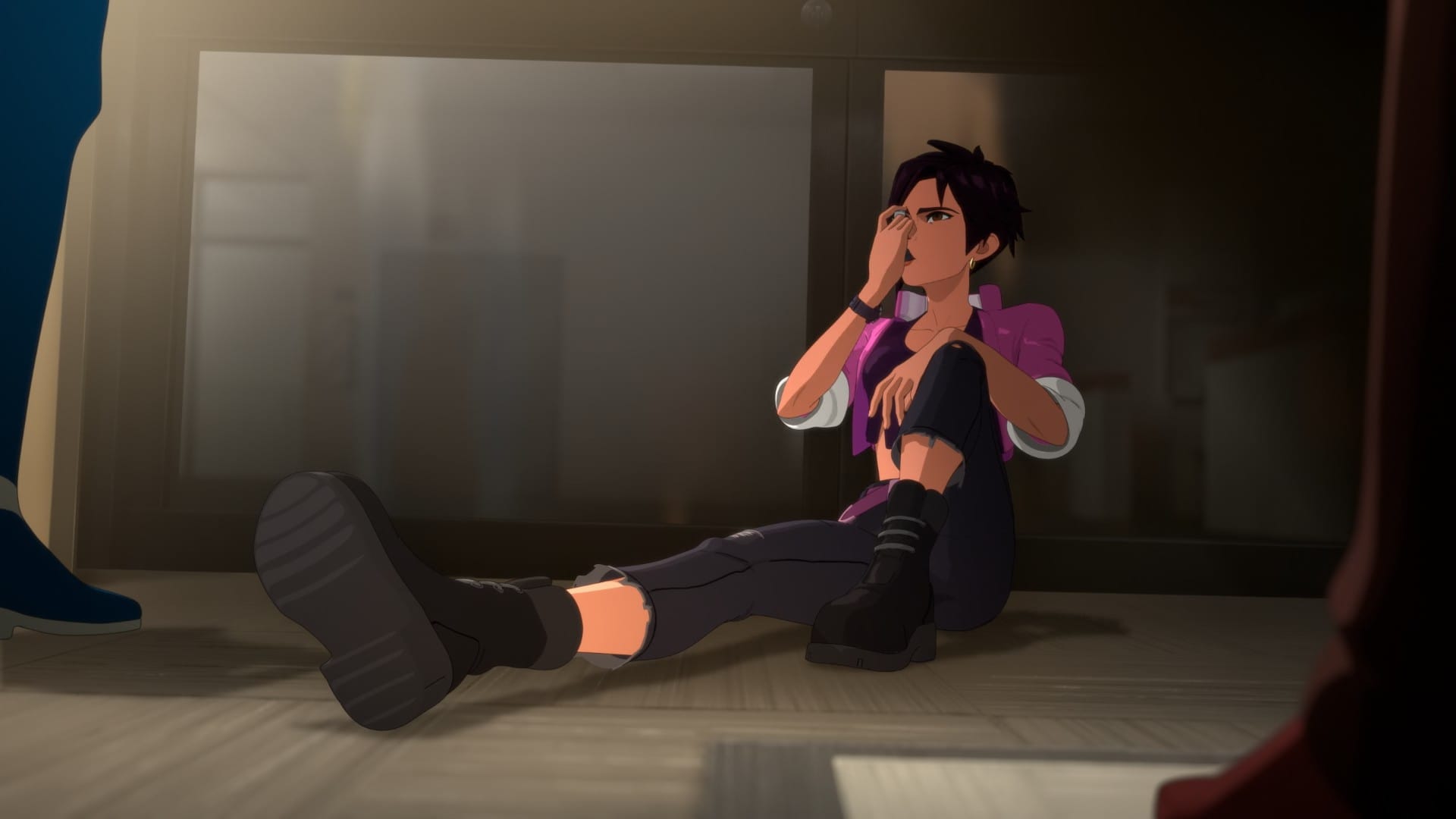
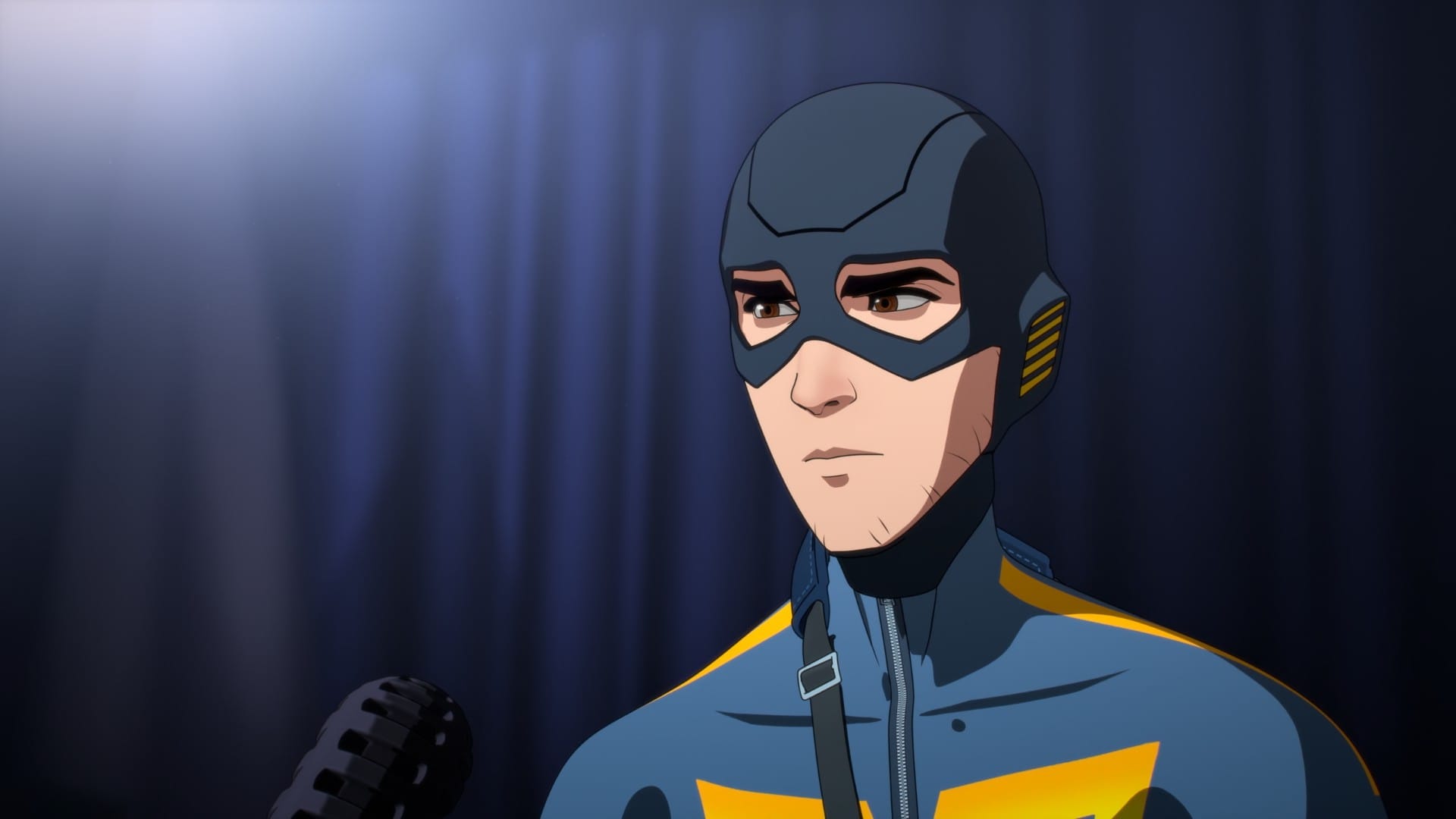
The parallels with the story in Dispatch are especially noticeable here. To sum it up, Dispatch is the tale of a washed-up superhero who takes a desk job managing a squad of misfits through a rehabilitation program. A big part of the game is giving your cast of reprobates the chance to prove themselves.
"We love and want to continue to give people shots," says Herman. "I think it's one of our superpowers."




Comments ()