
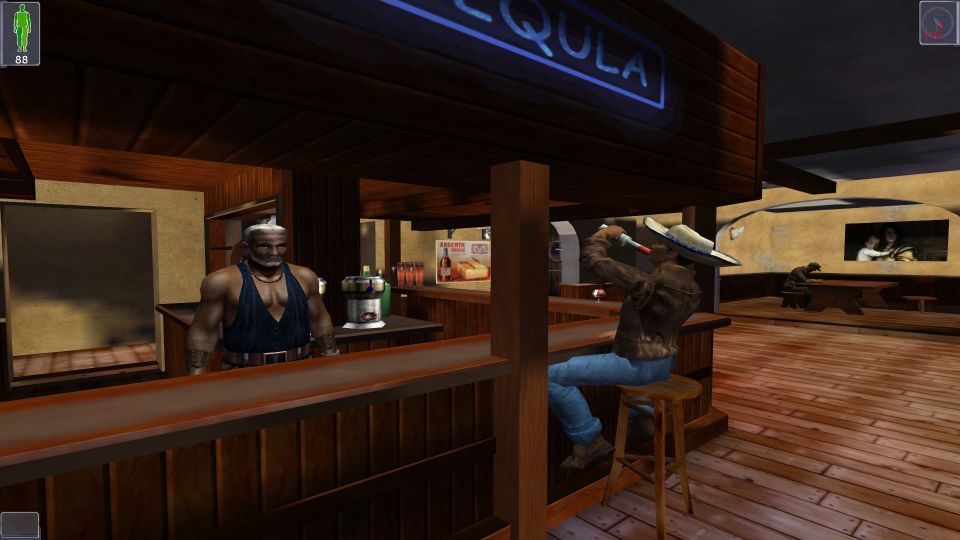
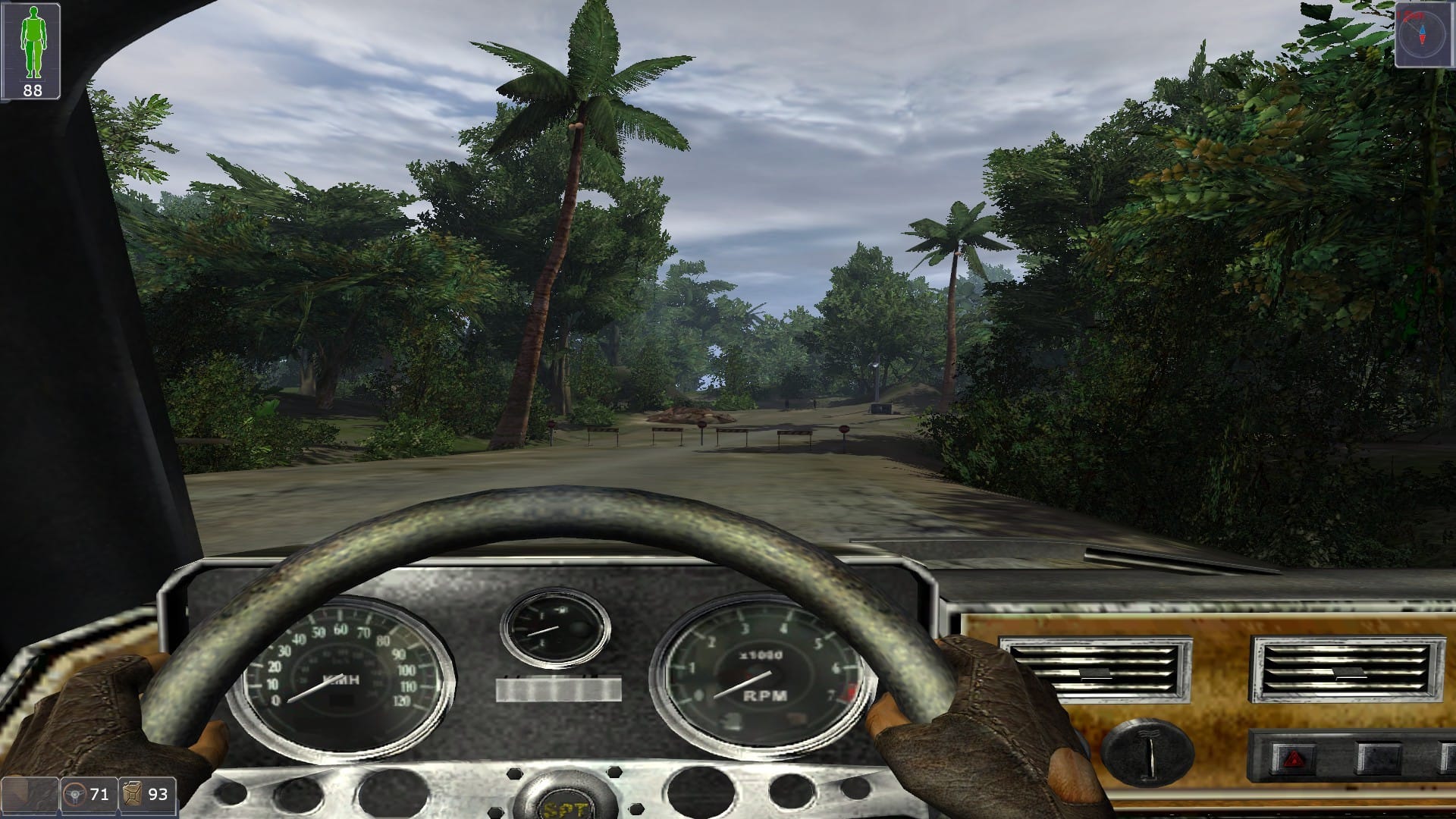
The making of Boiling Point: Road To Hell, the most broken game I've ever loved
Sometimes, when a dad squints at a monitor to assess their child's latest PC gaming obsession, they say exactly the right thing. Ilya Gulyaev's dad suggested that, if he liked modding Operation Flashpoint so much, he should seek out an apprenticeship.
"He literally told me to pick up a copy of a local PC gaming magazine, find an article about Ukrainian videogames in development, write down the company names, look them up in the phone book, and call them," Gulyaev says. "Back in those days, such a direct approach actually worked."
The year was 2003. Stalker: Shadow of Chernobyl was little more than a crackle on a Geiger counter, and Ukraine's development scene was in its nascency. "It was in an absolutely embryonic state," says Oleksandr Khrutskyi, who worked at Boiling Point developer Deep Shadows. "I think there were probably no more than one or two thousand people working in the games industry across the entire country."
The team grappled with open-world problems which hadn't been solved by the wider industry
Ukrainians had only a decade earlier detached themselves from the Soviet Union, but the resulting governmental flux was to the benefit of budding developers. "Weak tax policy and imperfect intellectual property laws opened great opportunities to anyone who understood how to operate a computer," says Oleksandr Honcharuk, who worked on Boiling Point as a 3D artist. "We received untaxed payment in the envelopes. If we wanted to try any software, we rode to the book market and bought any cracked software we wanted. Official versions we bought only for final compiling and exporting. These factors lowered the cost of the development dramatically."
Many entrants to this new field were self-taught enthusiasts, but even they were surprised to see Gulyaev walk into the rented three-room apartment that Deep Shadows called an office with his dad in tow. "Imagine our wonder," says Honcharuk. "Because he was only 15 years old." Nonetheless, Gulyaev proved himself as a 3D modeller, recreating an M167 Vulcan Air Defense System as a test assignment. "It ended up being used in the game because I did it well, receiving only two rounds of feedback for my first-ever real in-game asset," Gulyaev says. "After that, they felt confident giving me more work."