
There are only 9 types of quest, says Fallout creator - but what about these?
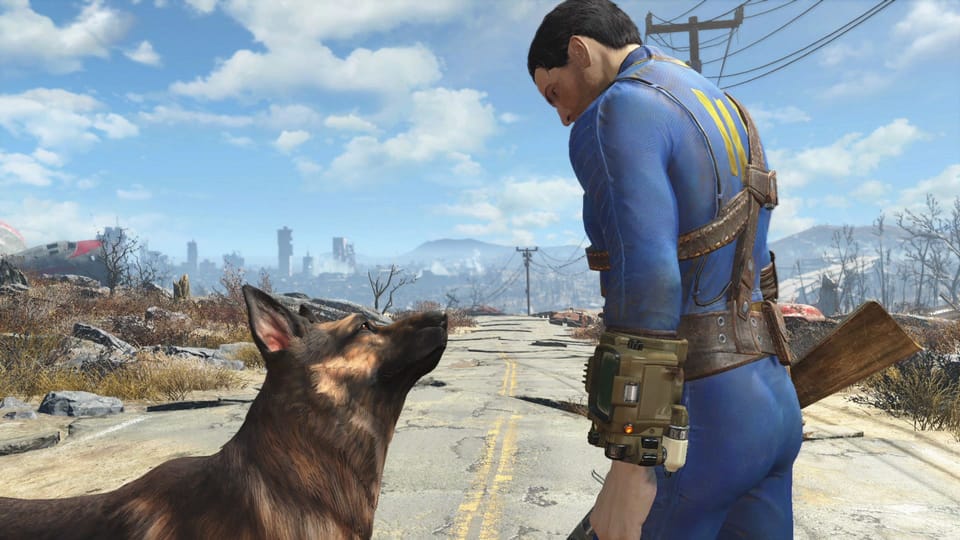
How many types of quest are there in an RPG? Shut up, the question has already been answered by Fallout creator Tim Cain, who says there are nine - count 'em - nine types of quest. When you set off as Goblonk the Brave this morning you didn't know it, but you're only going to see these nine familiar missions as you travel the kingdom. At least according to Cain.
I think he might be missing a few. More importantly, the whole idea of taxonomising quests this way risks stripping the flavour out of quest design by limiting everything to a set menu of indivisible "ingredients". We're not making a casserole here. And even if we were, why can't I put some nettles in just to see what happens? There are a lot of quests that just don't fit the mold.
First, you can watch Cain's whole video on the taxonomy here. It's interesting. And to be fair, it's more like a fifteen-minute blast of audible thoughts than any grand theory of quest design. I don't think Cain intends to publish this in a peer-reviewed journal or anything. But that doesn't mean I can't pick a thoughtfight.
Tim Cain explains the 9 types of quest.
Cain breaks down the nine quest types thus:
Murder: You must assassinate a specific person or persons (eg. kill King Flugwump).
Kill: You must kill a set number of particular enemy (eg. kill 5 barn ogres).
Fetch: You must go find a particular item, and often bring it somewhere (eg. get the rot goblet).
Collect: You must gather a set number of particular item (eg. gather 10 dreadpigeon beaks)
Delivery: You're given an item and told to bring it elsewhere (eg. deliver ogre ham to Prince Dinkdonk)
Escort: You are given a person and told to bring them somewhere, usually protecting them from danger (eg. escort Useless Joe to the tavern).
Talk: You must simply talk to an NPC (or many NPCs in a sequence) often to convince or persuade (eg. tell Prince Dinkdonk the rebels will attack).
Puzzle: You must solve a mechanical puzzle to proceed (eg. escape the chamber of bloodpuzzles).
Timed: Any of the above quests, but you also have limited time.
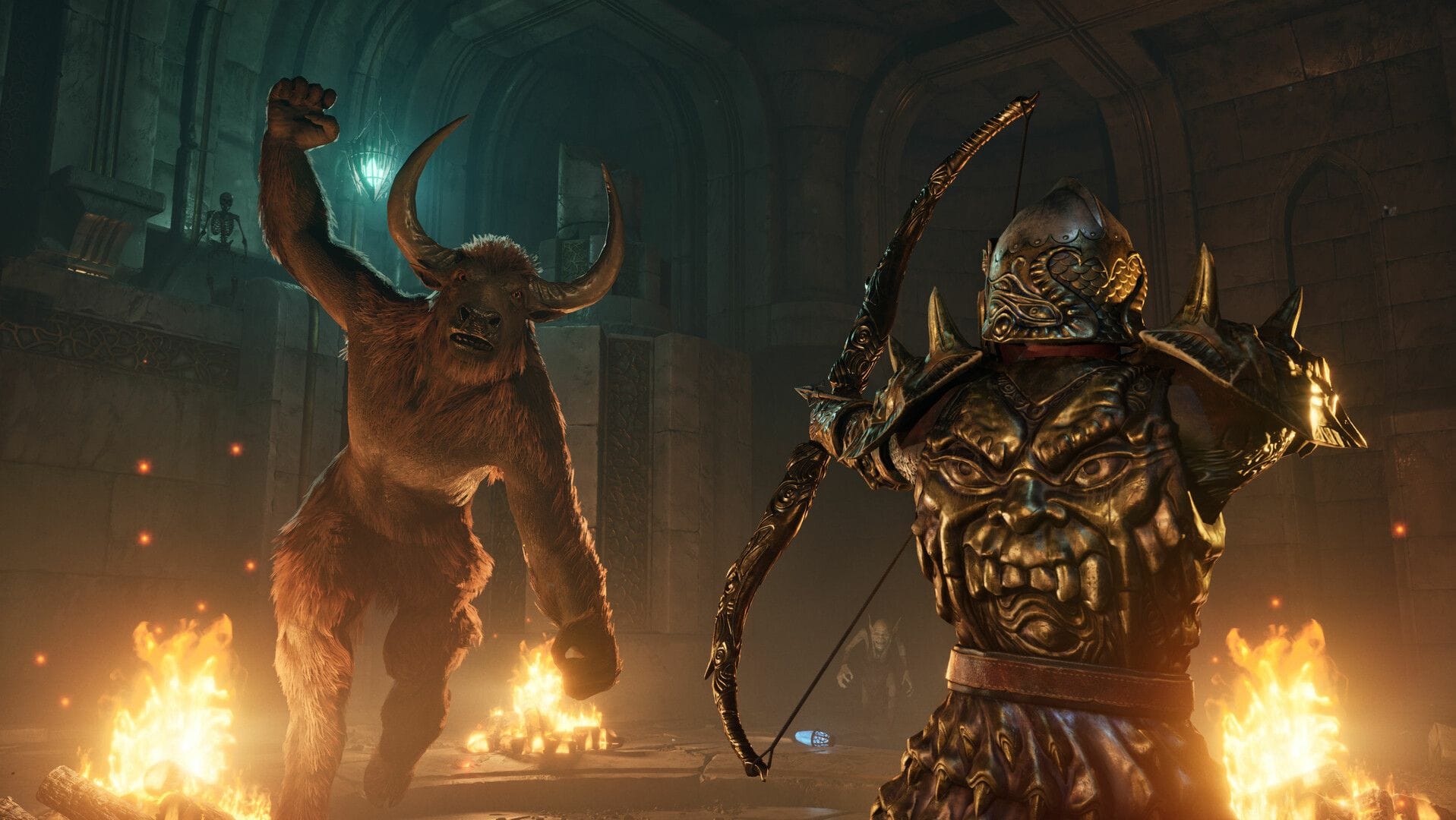
In a crappy MMO, these quests will be transparent and plain - we all know the hate for fetch quests. But in a good story-driven RPG, says Cain, this limited bunch of quest types will be smooshed together to create longer and more involved stories that require multiple tasks. And when you get to choose between killing a bunch of barn ogres or simply talking to convince them to leave, the player feels like they have more control over their character within the story. In other words, good game designers mix and match for best results.
"Having a lot of variety in your game is fun," says Cain. "Combining several of those quest types together makes games a lot more fun, and it makes the game feel like it has better pacing and never drop into some kind of drudgery."
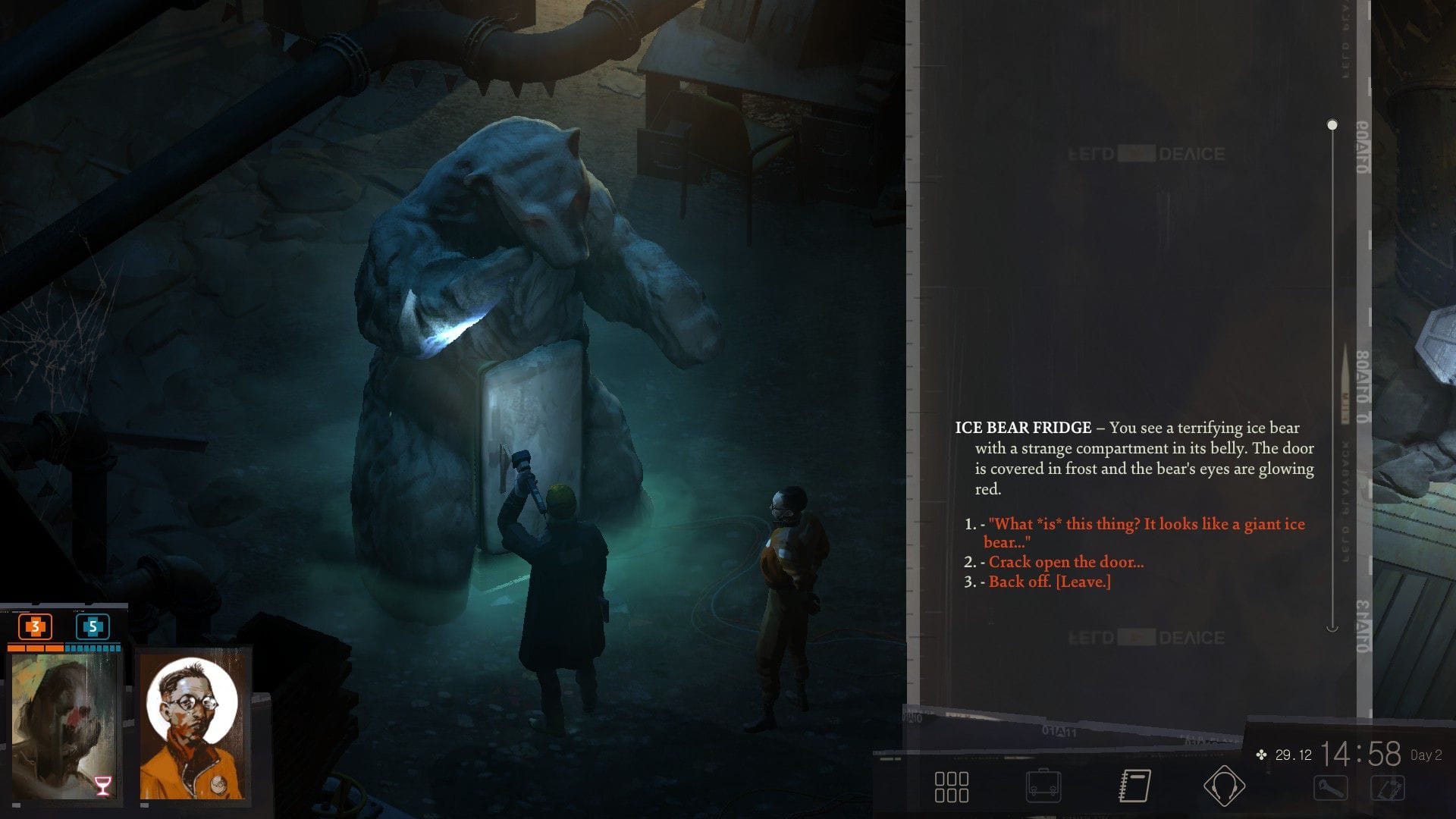
But there are many examples that don't fit neatly into any category. What about quests in which you follow someone through a crowd to learn a piece of important information? Is that a "fetch" quest because you're fetching a fact? What about quests where you have to stop somebody from acting in a brash way, maybe by beating them in a brawl, but not necessarily killing them. Is that a "murder" quest without the murder, or a "talk" quest with fists? What about a quest in which you must beat somebody at a horse race to prove yourself? Is that a "talk" quest with a peppering of "timed"?
The bigger problem for me is that as soon as you start to taxonomise this stuff, you limit the space in your own brain for designing new types of adventure. Games are computer programs, yes, so quests really only have one defining characteristic: the player has to change something. Some numeric parameter, seen or unseen, has to flip from 0 to 1. That's useful, because stories, we're told, are about change. And how that change presents itself in a game world, through art and dialogue and game systems, can be literally anything that is possible in that game's world.
If these nine types of quest have presented themselves as archetypes, it's only because those are the common systems designers use in RPGs. They aren't "the 9 types of quest in RPGs" - they are "the 9 stereotypical quests in RPGs". The basic nine.
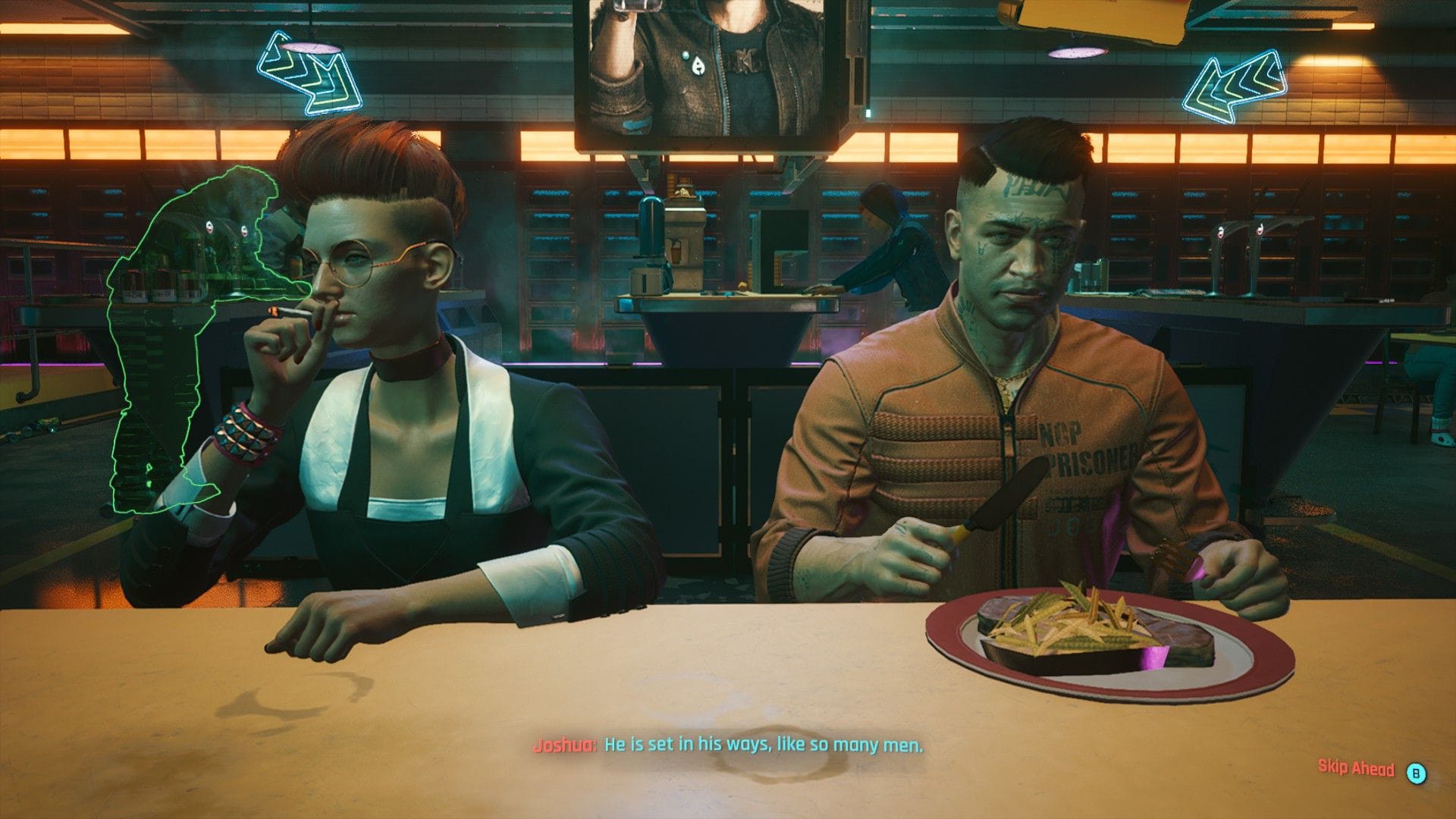
Do not settle for murder, fetch, kill is what I'm saying. The Witcher 3 has a whole quest about getting drunk with your mates. Cyberpunk 2077 has a series of sidequests that sees you crucifying a repentant prisoner as a grim favour in a storyline all about faith, guilt, and conviction. Going by a rigid nine quests framework, we'd probably have to reduce the entirety of Disco Elysium to one big "talk" quest. It's a reductive way to think about game design and particularly about storytelling. Thinking about RPGs this way is like saying "here are the nine types of concrete used to make an office block". It'll work, but you'll just make the same office block as everyone else, never a log cabin or a red brick home.



Comments ()