
Abiotic Factor is Pokémon Pokopia for a different flavour of '90s childhood
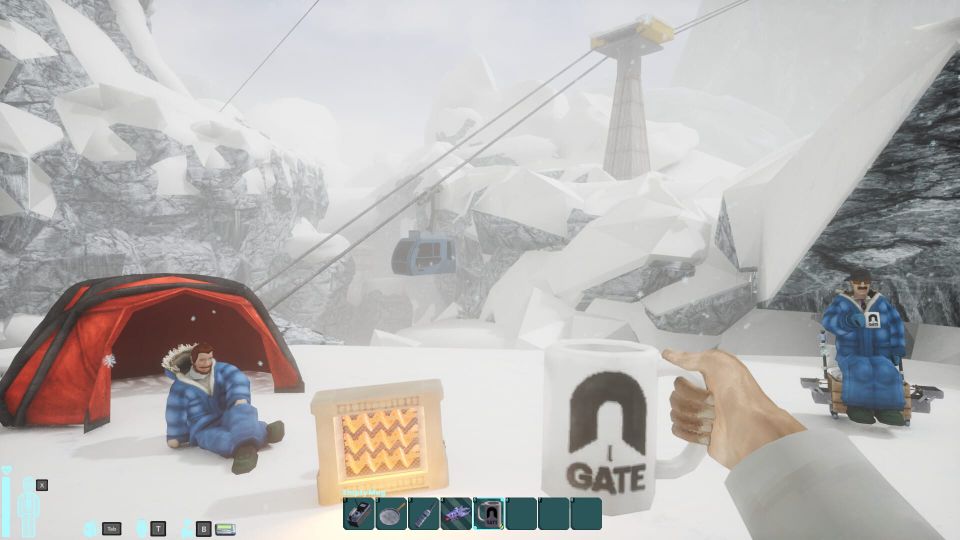
I'm a minor Pokémon fan compared to many of my peers, but Pokopia, its recent spin-off, has swallowed dozens of hours of my time. It contains none of the typical monster battling and instead lets players build a world the pokémon would want to live in. This requires completing an almost fractal todo list, in which every task breaks into half a dozen other tasks, until suddenly you've spent three hours tidying, planting, and building. It's hard to put the game down when any action feels like progress and there is always another drip of dopamine just a few seconds away.
I was thinking about the near-inevitable wave of PC games inspired by Pokopia that will follow in the years to come, and also wondering what other game worlds might benefit from the Pokopia treatment: that is, a rich, survival-lite experience about constructing and repairing a world we initially explored through a different lens. The answer I came up with might surprise you if you didn't read the headline of this article.
Here was my impression of Abiotic Factor when people were discussing it around its original release in 2024: it's a survival game, and it's inspired by the slapstick scientists of Half-Life. This placed it in my head somewhere on the spectrum of other co-op, slapstick survive 'em ups of the Lethal Company and Content Warning variety, and so I didn't play it. Even if it was further towards the survival-craft end of that scale, I thought I had very little remaining interest in a long grind of cooking and tree-punching.
This was foolish. Abiotic Factor is indeed about survival and crafting, through and through, but in the months I've been playing it I've come to realise it is Pokopia but for Half-Life, and me and my friend are the pocket monsters.
I was obsessed with the Black Mesa Research Facility as a teenager and I struggle to articulate why. At a time when first-person shooters were still mostly set within abstract, Quake-style death arenas, or claustrophobic, barely-plausible recreations of real spaces like Kingpin and Sin and Soldier Of Fortune, Half-Life's secret research base felt tangible. The opening tram ride gave you tantalising glimpses of the facility's scale, and the exposed municipal infrastructure of its rail network, carpeted offices, and ventilation shafts all created the sense of a world that exists independently of the player. It was often grey and filled with crates, but the mundanity only made it seem more real.
I am not the first to point this out, but that feeling is what led me towards modding and mapmaking in the late '90s. I wanted to see more of Black Mesa and so I downloaded maps from FilePlanet in which other players had imagined more of it, constructing new tram stops and missions that felt like they burst through the fourth wall by letting you cross to the other side of the glass. Those downloads included one memorable level set in the Black Mesa daycare, and plenty of others that weren't technically set in Black Mesa but used the same texture set, so may as well have been. I still have fond memories of Chris Spain's Edge Of Darkness and (de_dust creator) Dave Johnston's ETC2. I imagine Black Mesa lived on in my mind in the way the Nostromo lives on in the minds of others my age, or perhaps the way Kanto does for Pokémon fans.
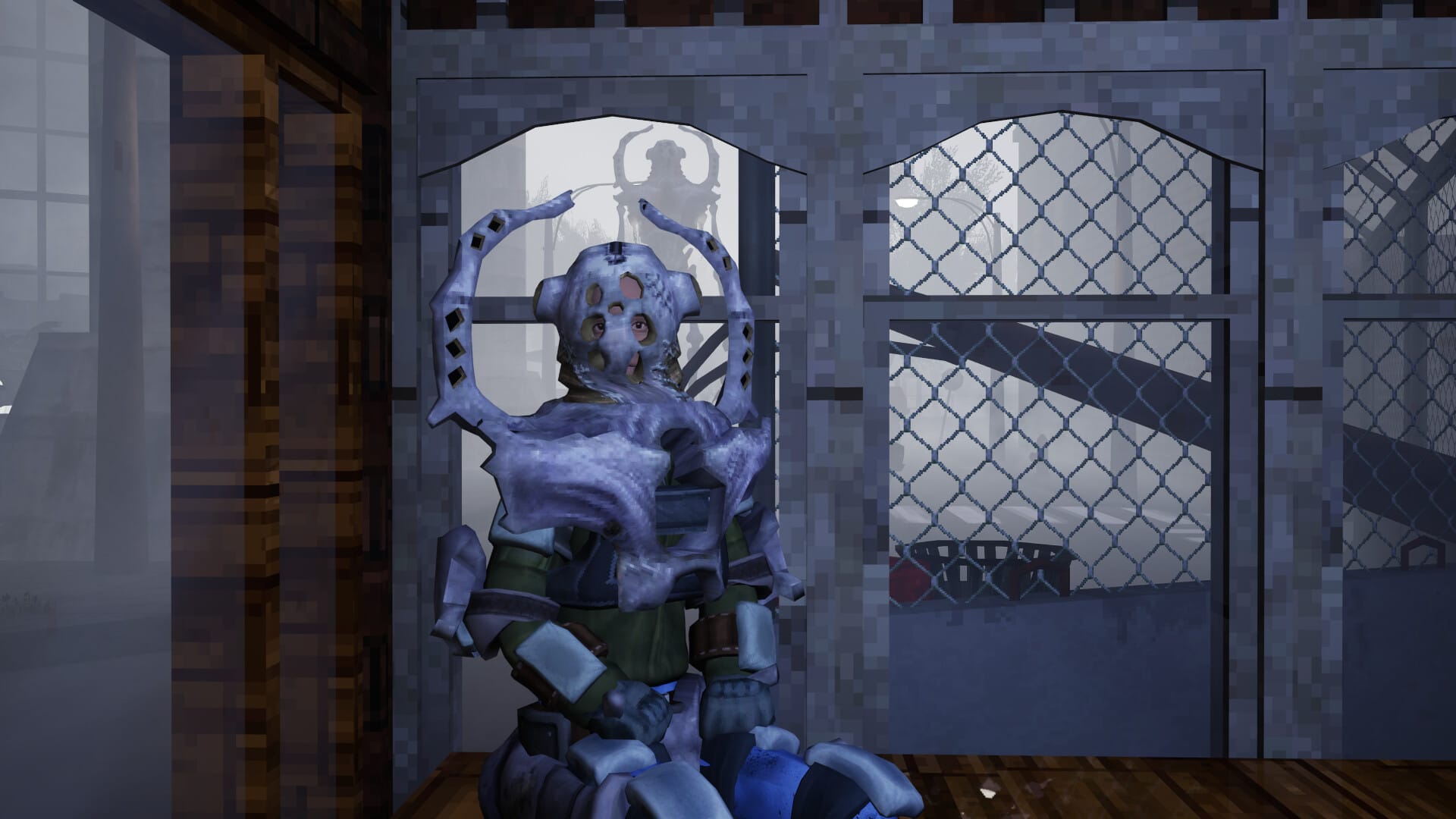
Enter Abiotic Factor, which isn't so much inspired by Half-Life as it is a piece of Black Mesa fan fiction. The game is set in a scientific research facility in the desert in which experiments with portals have gone awry, and now the facility is inhabited by both pouncing headgrubs, laser-blasting Vorti-nots, and an opposing force of soldiers sent in to contain both the alien invaders and the scientists.
There is combat, then, unlike Pokopia, but it's not the focus here. You are underpowered as far as your access to weapons goes, but you'll also quickly realise that the enemies are not the threat they first appear to be.
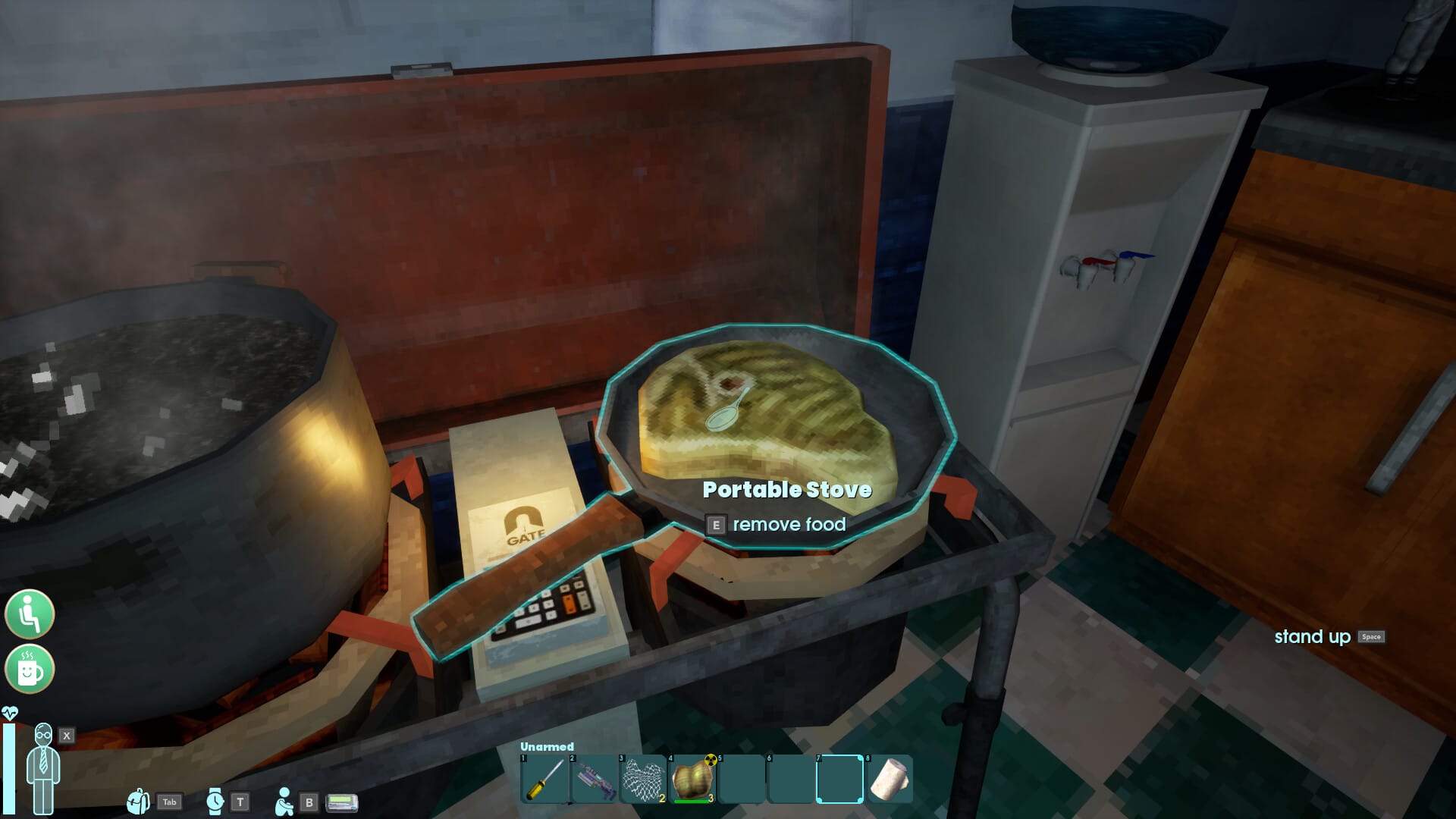
You will in any case spend most of your time exploring, gradually expanding your sphere of influence, unlocking new areas, and making your life within the facility more comfortable. You probably know about the survival game loop at this point and Abiotic Factor doesn't do too much that's different. You will stab dead aliens and level up your stabbing stat, then cook them and level up your cooking stat, then eat them to keep the hunger bar at bay, and in pursuit of making each step of this process more convenient and efficient, eventually be growing your own potatoes Mark Watney-style and butchering alien fish for use in one of several buff-granting soups.
At the point we're at now, over twenty hours in, we've just moved our base to a more convenient location. We spent some time this weekend trying to make our electricity cables neater. Our nested todo lists for this coming weekend include growing more (alien) wheat, trading with the local blacksmith, and undertaking a re-organisation of our storage crates.
We haven't got anywhere near to taming, feeding or farming pets, the roster of which was just expanded in an update this week, but the idea that Abiotic Factor is horror co-op or a survival game, which conjures images of struggling to maintain stasis within a deadly frontier world, is somewhat absurd. This is as cosy as Pokopia, and any external threat only exists to make the sense of safety in our base more pronounced. This is me returning to a world I first ventured through as a teenager, now as a 40-year-old, and getting to reclaim it, live in it, make it feel like home.


Comments ()