Defence of the clones
I browse the Nintendo eshop from time to time, checking on new releases. The games on there that make me feel the grubbiest aren't the hentai jigsaws; those, at least, are honest. It's the clones. "Peak: The Adventure Begins", for example, seems designed specifically to be mistaken for Peak, the co-op climbing game currently unavailable on the Switch. It feels like a trick, and from the screenshots it looks like a poor imitation.
I don't always feel that way about clones, however. In 2005, the Xbox 360 was released, and with it Geometry Wars: Retro Evolved. It was an unlikely killer app. Originally a minigame playable during loading screens in Bizarre Creations' Project Gotham Racing 2, Retro Evolved turned the twin-stick shooter into a standalone game available via the brand new Xbox Live Arcade, and its rippling neon and frenetic combat sold the promise of HD gaming a lot better than Kameo: Elements Of Power.
At the time, everyone around me was score-chasing in Retro Evolved. I worked on a PC games magazine and we coveted the game.
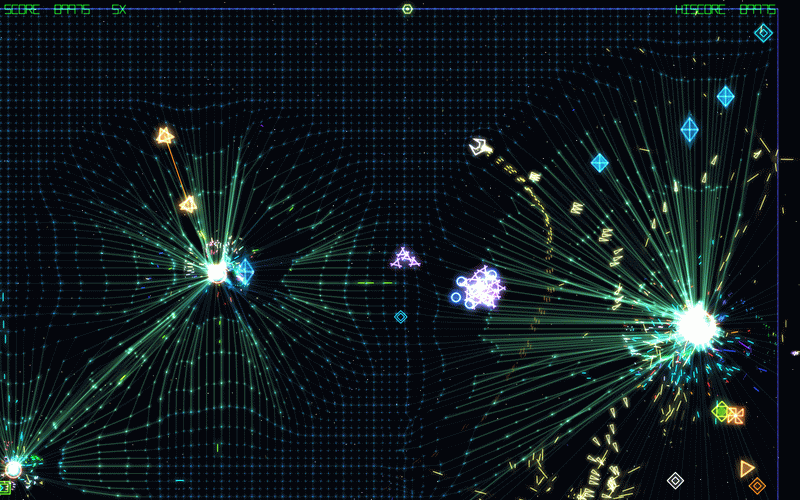
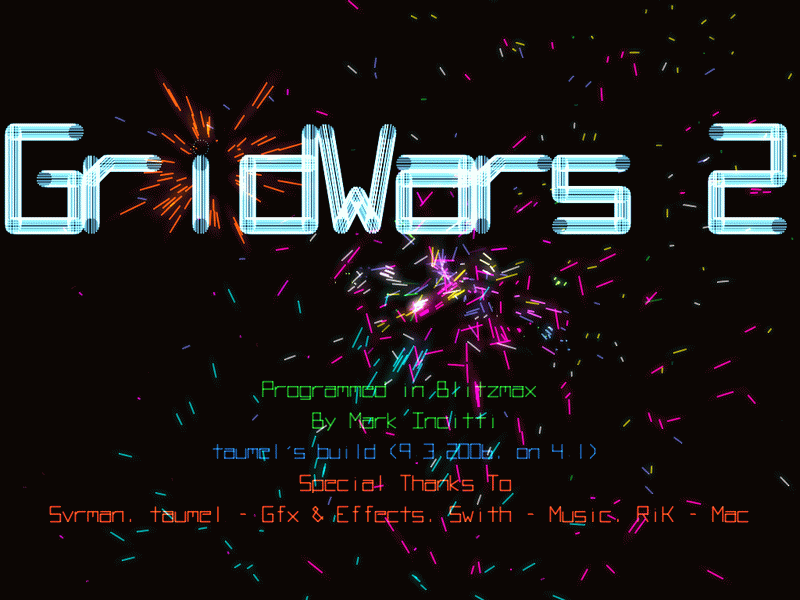
Enter Canadian developer Marco Incitti, who used game making software Blitz Basic to create GridWars, a near-copy of Geometry Wars with a handful of notable improvements, which he released in December of 2005. Now those of us who wanted to play Geometry Wars, but who didn't have the money for a new console, could do so - more or less. GridWars scratched the itch, anyway.
Importantly, GridWars was free. Incitti never intended to profit from anyone else's ideas or work. On August 8th of 2006, Geometry Wars' developers reportedly emailed Incitti, saying that they were "beginning to feel the effects of the Geometry Wars clones on our sales", and asking him to remove the game from the internet as they began to "more robustly protect our copyright and intellectual property." Incitti sadly pulled the game offline.
I might feel less good about clones where so many development studios are struggling to survive
Unlike Peak: The Adventure Begins, there was no deception underpinning what Incitti did. At a time when digital distribution was embryonic, it's unlikely that you would stumble across GridWars on some obscure website and mistake it for the "real" thing. Instead, GridWars felt like the work of a folk hero, who took from the walled garden of Microsoft's expensive new console and gave it to the freeware frontier of PC. I'd take Bizarre Creations' claim that clones were impacting their sales with a pinch of salt, and I suspect any legal challenge against GridWars would have failed, but when Retro Evolved got an official release on PC in 2007, it felt like a response to the competition GridWars had created and a good thing for everyone.
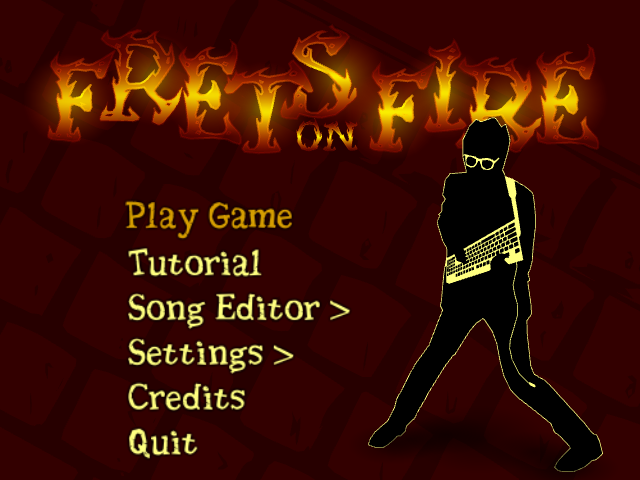
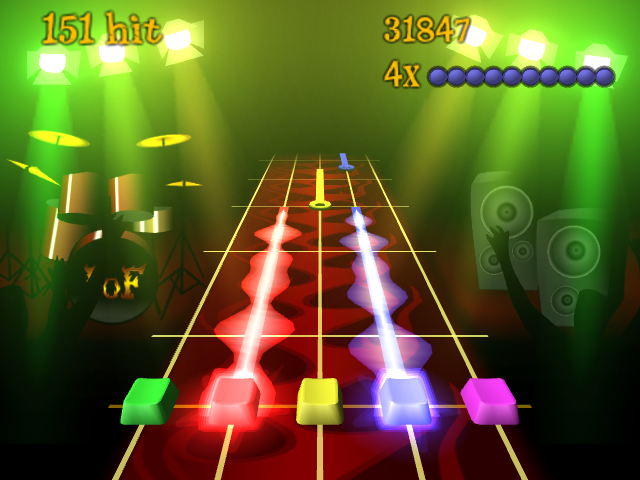
GridWars isn't the only clone to follow a similar path. Five days before GridWars was pulled offline, on August 3rd, 2006, the first version of Frets On Fire was released. It arrived less than a year after the original Guitar Hero launched on console and was a free and open source recreation of the same. Instead of purchasing a plastic guitar peripheral to play it with, you picked up your keyboard and used the F1-F5 keys like frets and pressed Enter to strum. Still working on a PC games magazine, I fell in love all over again.
Frets On Fire received its last update in 2008, but it was open source. People almost immediately began modding it and a fork called Frets On Fire X continued to receive updates until 2021, including the addition of bass, drum and vocal support for up to four players.
Today, the Guitar Hero and Rock Band series are dormant - and genre creators Harmonix have been bought by Epic, put to work on Fortnite modes, then damaged by layoffs. Frets On Fire might also be dormant, but another freeware clone, rather brazenly called Clone Hero, is not. Released (after a long beta) in 2022, Clone Hero supports all the otherwise useless plastic guitars you might still have cluttering your cupboards, and is regularly expanded with community-created songs charts which are collected via an enormous spreadsheet. Projects like these are what I most love about the PC as a platform.
These clones were responses to a different time in videogames, when console exclusives were more common. Perhaps exclusives are about to become more common again, if Sony are going to reverse their policy of bringing games to PC. It's unlikely some enterprising developer can create their own version of Spider-Man 3 in Blitz Basic, but if they did, and they followed the lessons of the others I've mentioned here by making it freeware and preferably open source, then I still don't think I'd feel grubby about it.
It's admittedly easier to feel good about GridWars, Frets On Fire and Clone Hero with the benefit of time and distance, when the original inspirations have fallen dormant and their developers have moved on, one way or another. I might feel less good about clones, even if free, released into an environment where so many development studios are struggling to survive. But there's a difference between the rip-offs littering the Switch eshop and the work of making software free, open and more widely and enduringly available.
Plus Geometry Wars was basically just a fucking Robotron clone anyway, wasn't it?


Comments ()