
The best singleplayer levels in first-person PC games
Last week we confronted Jank readers with the 17 best multiplayer FPS maps in living and possibly unliving memory. Did you think we were finished? You imbecile. You clown. Now it's time for all the brilliant singleplayer levels. And some of them aren't even about shooting.
We had originally sat down to hash out all the finest levels in first-person games without caring how many players were enjoying the view or dying from a ruptured skull. But after compiling that megalist we realised: my god, if we split this monster into multiplayer and singleplayer maps... we will have TWO articles. It was a revolutionary idea, and one that has made Jank approximately 0.05% more efficient this week. We provide stupid jokes and shareholder value.
Fort Frolic - BioShock
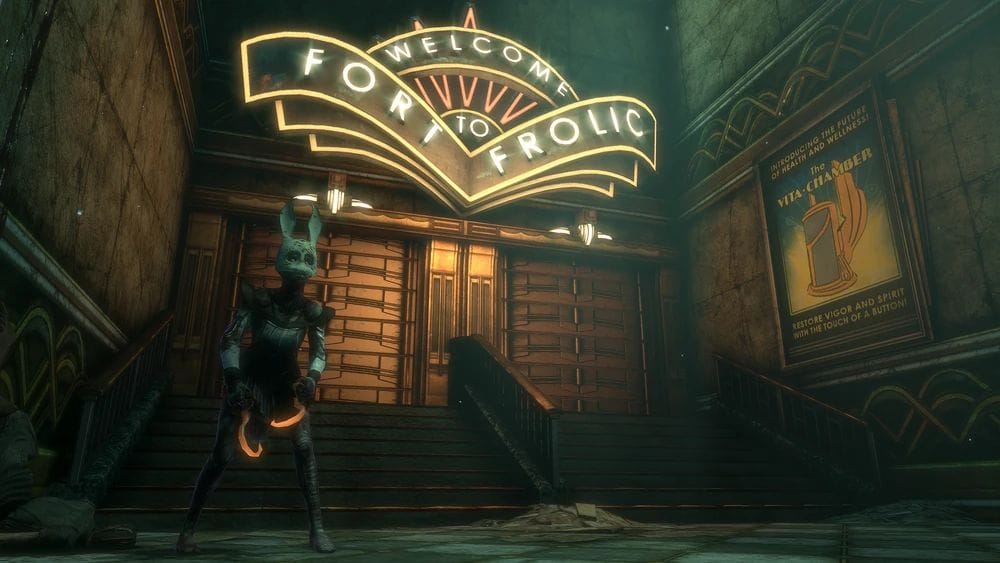
Graham: Someone, somewhere is going to say: what about The Cradle, the most beloved level from Thief: Deadly Shadows? To them we say: sorry, we haven't played it. But we have played Fort Frolic, the BioShock level from the same level designer, Jordan Thomas, in which the player is trapped in a district by Sander Cohen, an artist who works across mediums, from "creepy living statues" to "classically scored murder ballet". Talk to people about the most striking moments, and most striking images, of BioShock, and twist ending aside, a lot of what people remember will be a moment that takes place within Cohen's domain.
The Stranger - Outer Wilds
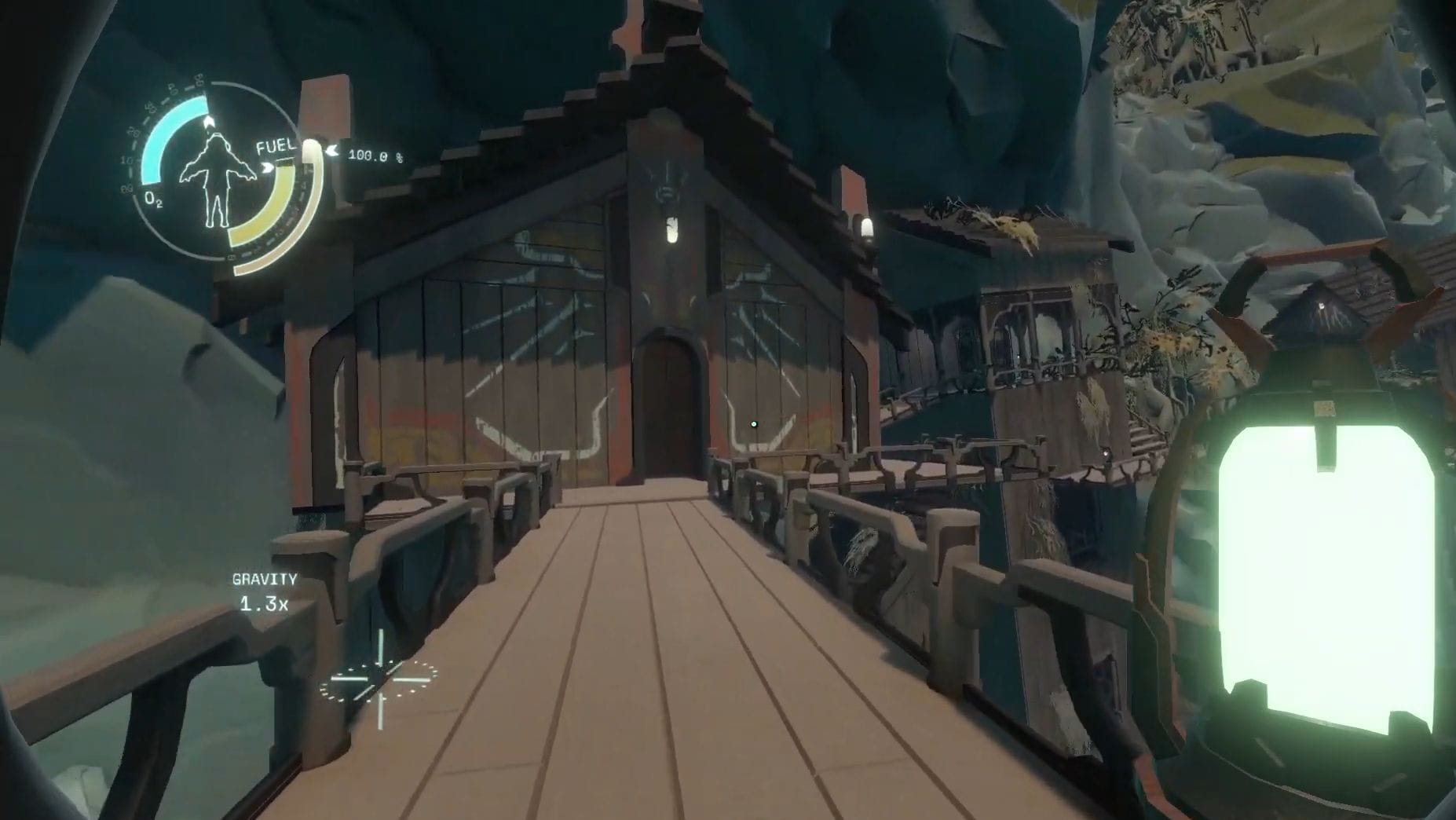
Brendan: Can I just include the entire solar system of Outer Wilds, please? Well, if I must reduce the spatial wonder of an entire digital cosmos to a single point of crumbling beauty, then I'll choose The Stranger. It's the extra setting that comes with the Echoes of the Eye DLC, and some of you must be thinking "hang on, the expansion pack has a better world than anything in the vanilla game?" To which my answer is, my god, I'm sorry, but yes. The Stranger is a place that appeals to both the waterpark lover and the smiling astrophysics idiot inside me. I can say no more about this wild little world.
Jeff - Half-Life Alyx
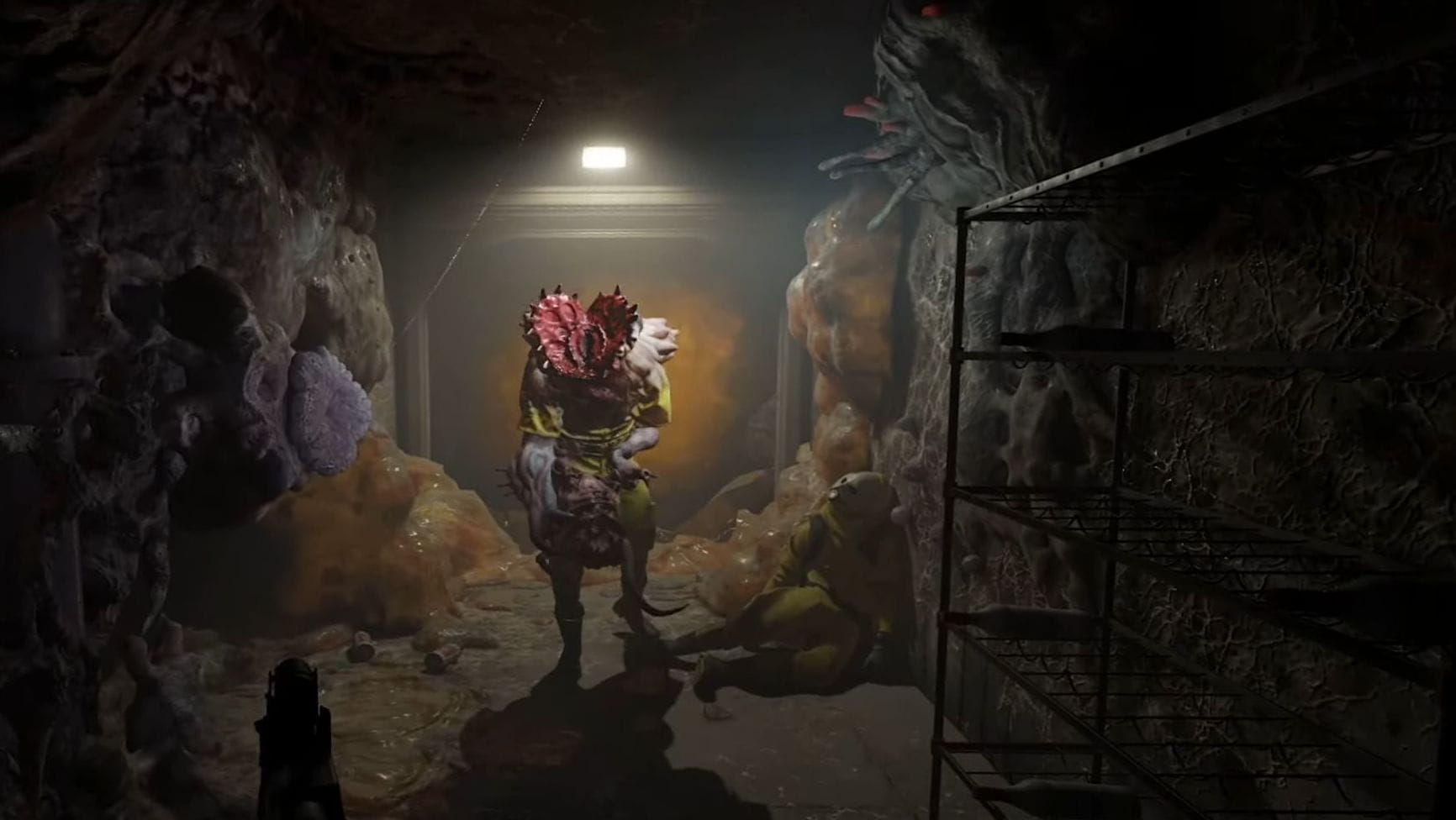
Graham: Anytime I write about Half-Life: Alyx, I write about Chapter 7, "Jeff". Alyx is forced to explore a bottling plant inhabited by a single, ultra-powerful creature - colloquially known as Jeff - who can hear but not see. It's a stealth game, then, in which an overly casual swing of the arm (and the VR motion controllers you're holding) can send glass bottles smashing to the floor and Jeff running to rip you to bits. The level design then concocts reasons to push you and Jeff together again and again, with moments of puzzle design that will leave you both groaning and laughing when you realise what you're about to be forced to do. It's a masterclass of player manipulation, and the best single mission in any Half-Life game.
The Silent Cartographer - Halo
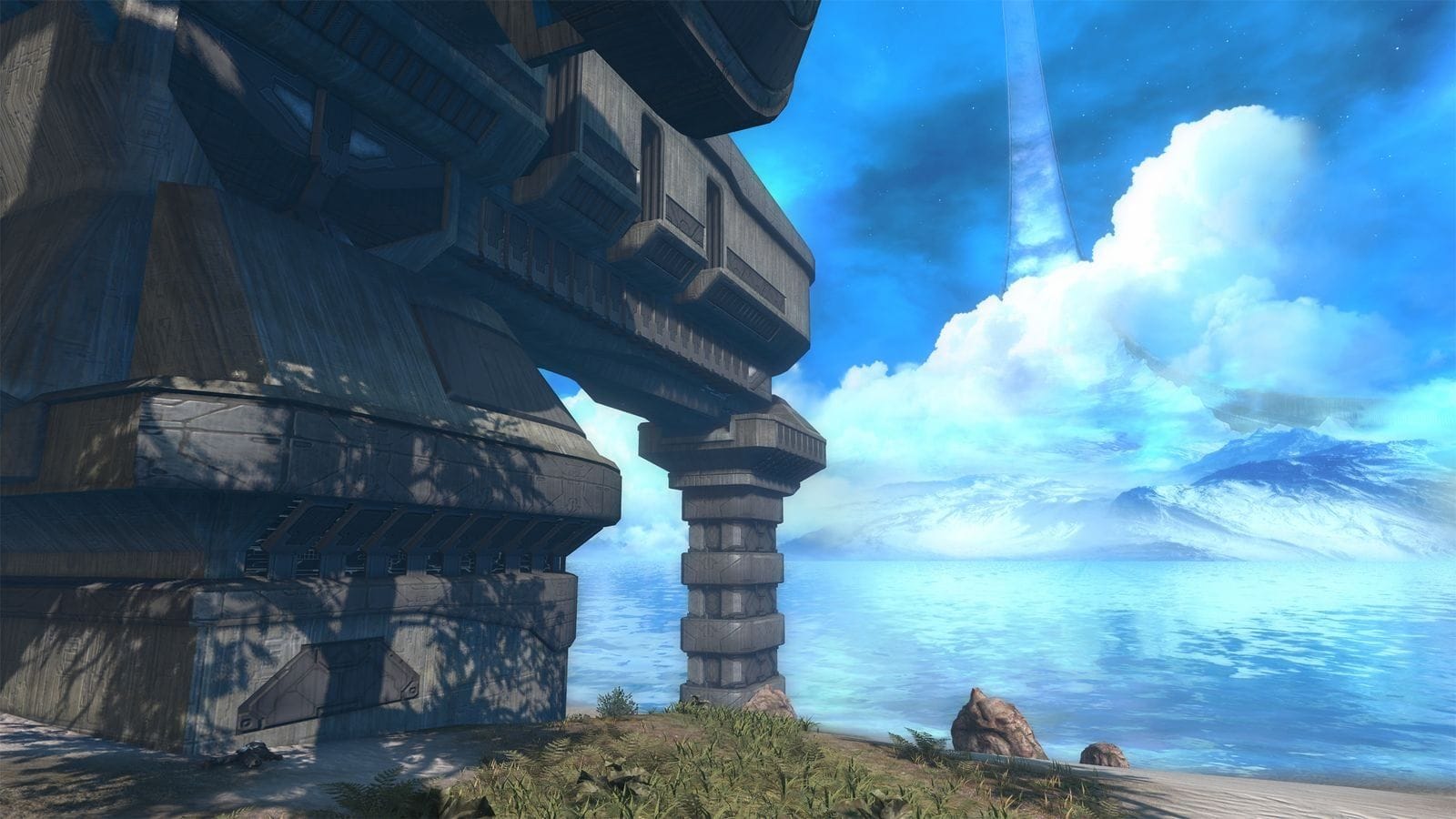
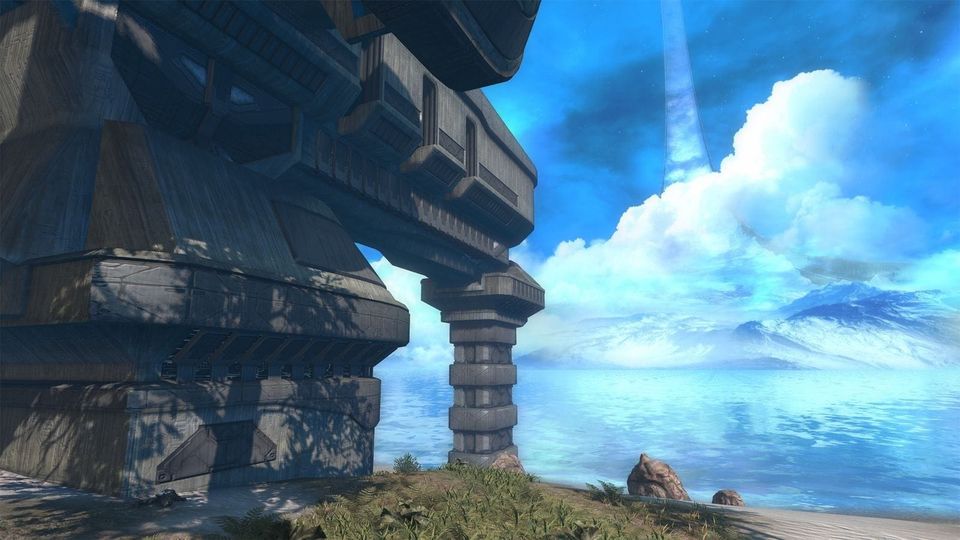
Brendan: The beach landing sequence in Silent Cartographer is the quintessential example of guns blazing badassery in sci-fi first-person shooters, and if you believe otherwise I will put a live grenade in each of your boots. I am mildly upset by the recent reveal of Halo's remake, not because it threatens to undo years of finely honed nostalgia for this and other Halo levels, but because it doesn't let you look out over the water and the beach from above as your dropship descends onto the sands. Instead, the hot landing is reduced to a flashy cutscene. It's a small thing to get irritated about, but that's what happens when you become a Halo 1 fundamentalist. These maps were the shining exemplar of their age. When you yassify them in any way, I will get unaccountably grumpy.
Recovery - Crysis
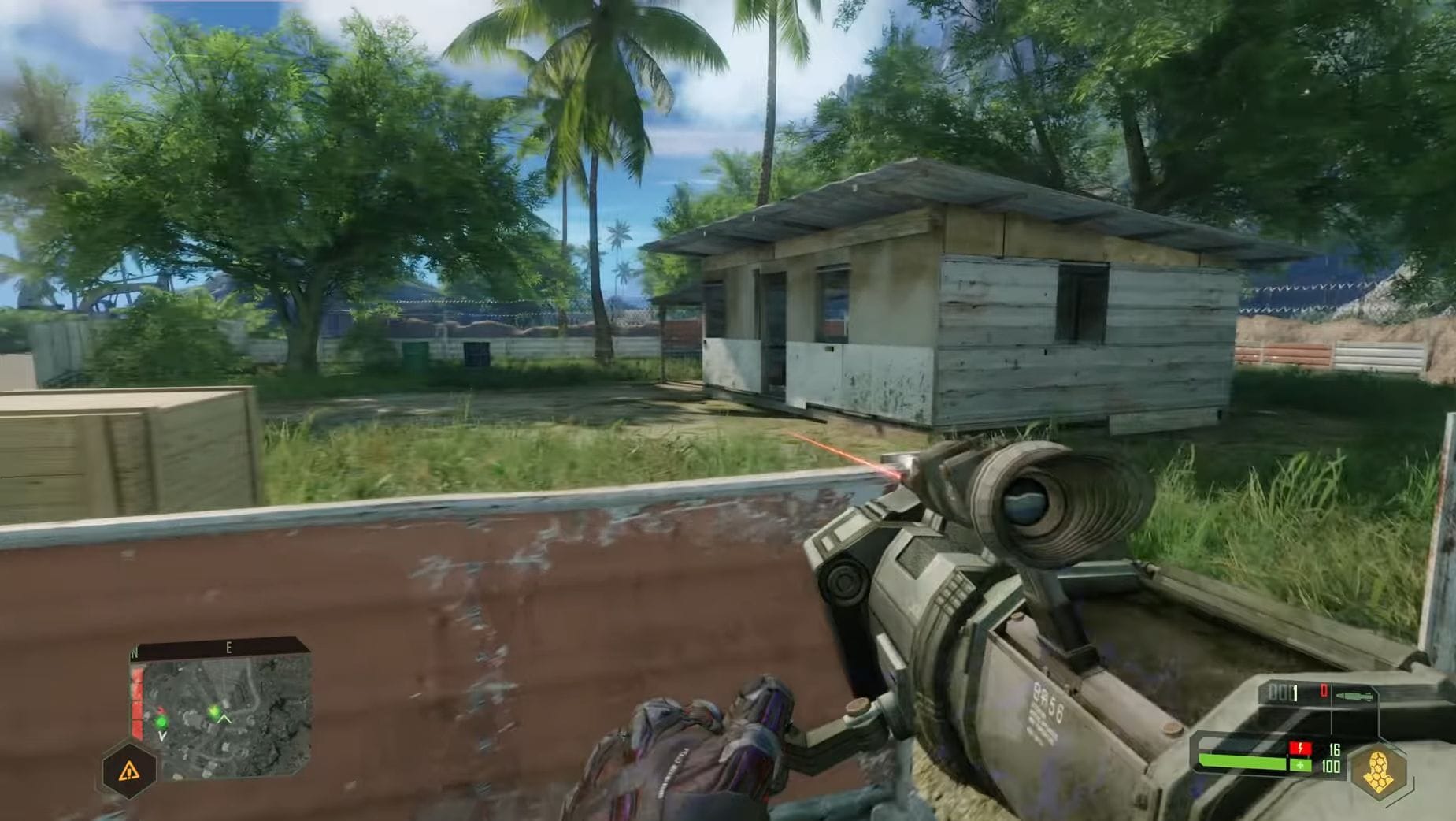
Graham: Crysis was famous for being a graphical powerhouse, but its truly impressive technical innovation was too tricky for even its sequels to repeat: you could knock down the walls and ceilings of many of its buildings and its enemy combatants could still sensibly navigate the rubble. It's this, ultimately, which made the early beach and jungle levels of Crysis so empowering. You could drop invisible, bolt between some rusting shacks, power jump onto the roof, and then punch your way through the ceiling to collapse it on top of the enemies inside, then slip away, invisible once more. Years before either Teardown or The Finals or even Red Faction: Guerilla, Crysis let you play like a stealth bulldozer, and while I have a soft spot for the bombastic scale of its later setpieces, Crysis was never better than in its first three levels, of which Recovery, the second, offers the most freedom.
The Pilot's Gauntlet - Titanfall 2
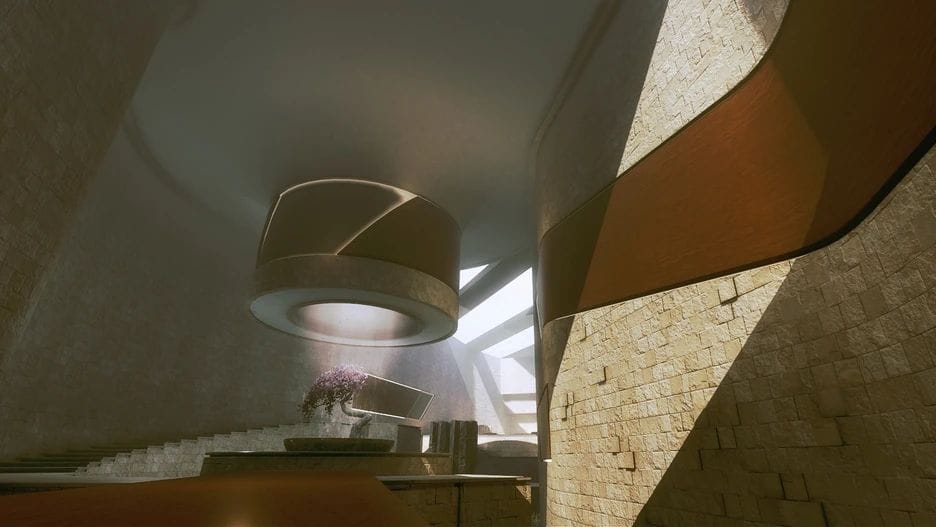
Brendan: Settle down, settle down. Nobody is taking Effect and Cause away from you. Nobody is saying that level in the factory isn't also its own masterpiece of singleplayer FPS design. Titanfall 2 is dense with good levels, this much we know. But be honest: which level in this mech befriending shooter did you replay the most? It was The Gauntlet, wasn't it? You got fixated on beating the top score. Look, don't lie to me. I know you. You've got some sort of complex about running very fast. You've got a bumsliding problem. And who can blame you. The time trial parkouring of the tutorial level would be a good enough game of its own (is this what Vholume is?). Whoever designed this endlessly repeatable obstacle course needs to be either given a raise or locked away forever. This is dangerously moreish level design, and you haven't even shot a single baddy yet.
The Edge - Mirror's Edge
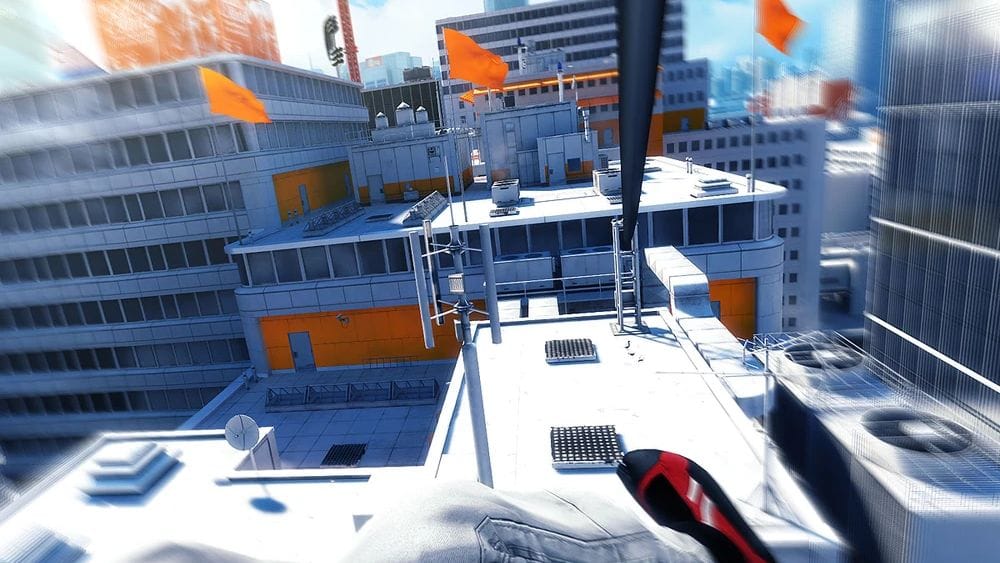
Graham: The Edge is Mirror's Edge first level and a perfect encapsulation of everything that make this parkour game sublime even twenty years later. Under blue skies, you clamber and bound across rooftops, shimmy up pipes, shoulder-barge red doors and wall-run through brightly painted offices. In the process, you learn every move that makes parkour in Mirror's Edge so freeing and expressive. It's a promise that the rest of the game doesn't quite live up to, or at least muddies with its sewer levels and QTE boss fights, but for years when I upgraded hardware or got a new monitor, I'd boot up The Edge just to go running again.
E1M1 - Quake 1
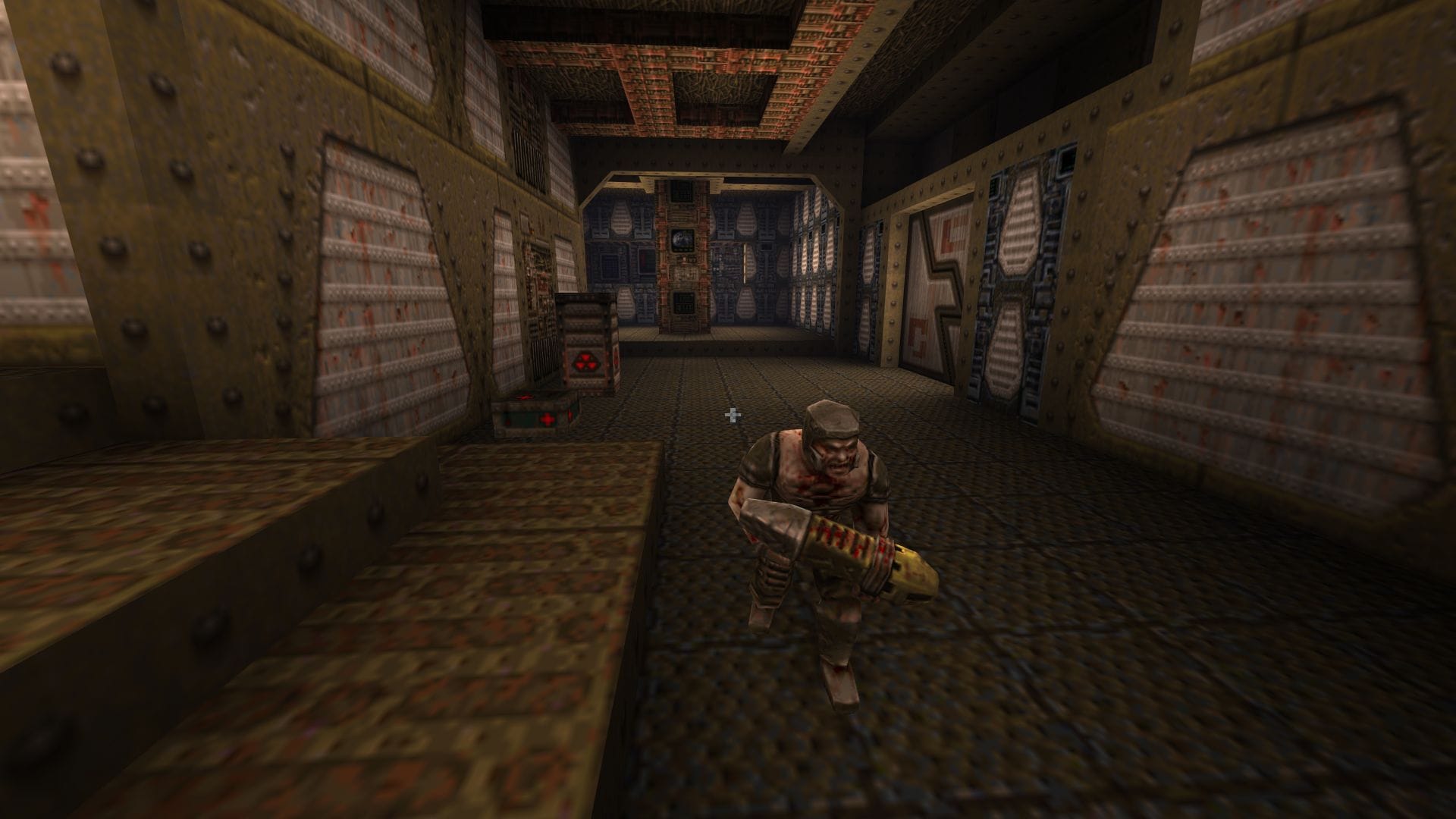
Brendan: We coulda put Doom down with the same level. But Quake is actual 3D and since playing from a first-person perspective is all about how you perceive space and movement, Quake is really the point at which the FPS took on its truly modern form. Without the magic of binary space partitioning (uh what) none of these other levels would exist. Or so goes the common argument, I'm not a videogames historian. What I am though, is a Quake player and a (sometimes) Quake mapper. I owe E1M1 a debt because I have seen its insides, its trigger boxes and monster closets and entity spawn points and clip brushes and its incredible fake sky, all from behind the curtain, as a part of learning how to make my own maps. Usually, when you see how the sausage is made, you are put off meat for life. But not with Quake. When you glimpse the meat grinder of E1M1, you can't help but want to make your own crooked wurst.
Villa Gordon - Teardown
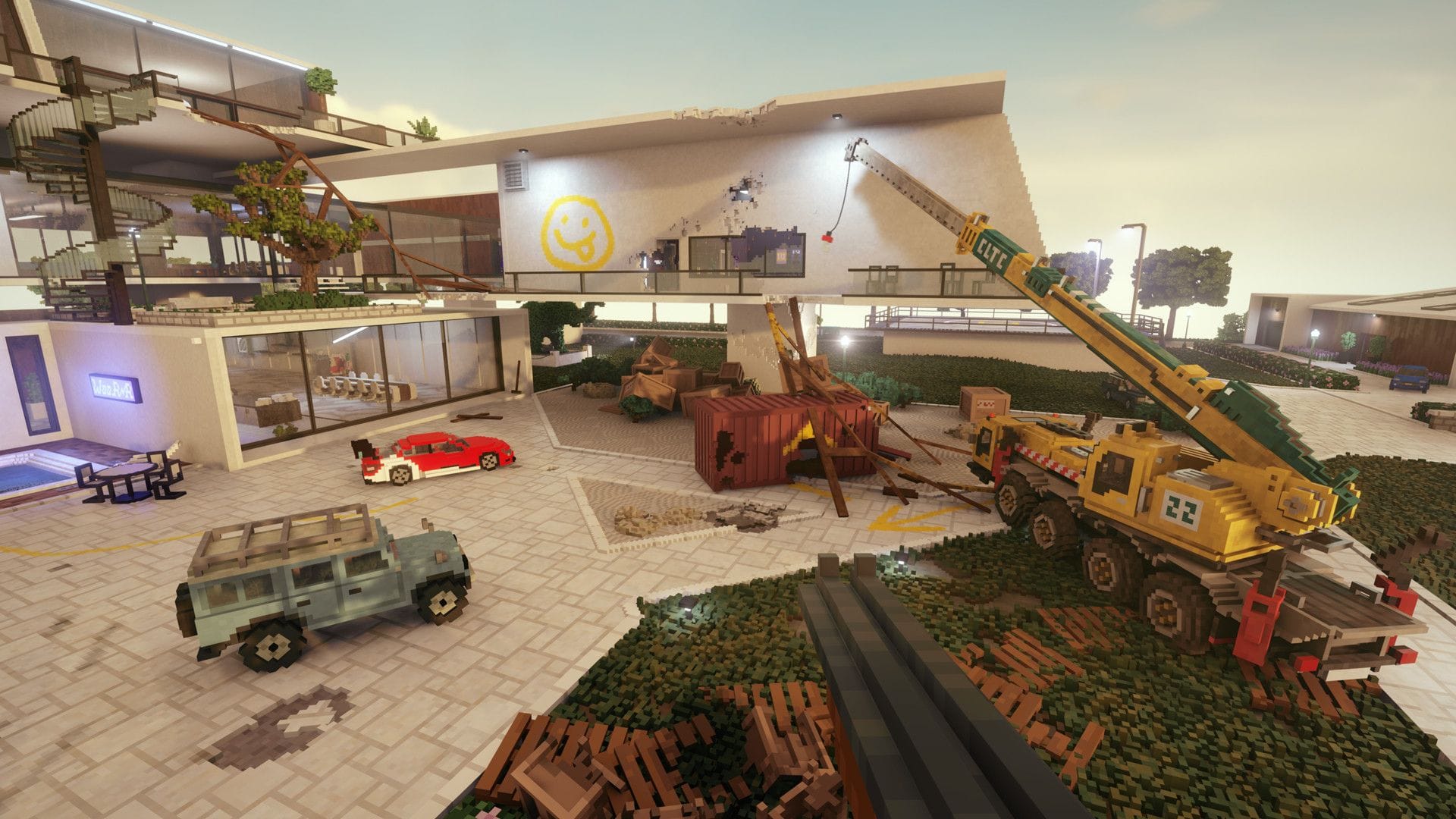
Graham: Every level of Teardown is about constructing an escape route by smashing holes through walls and ceilings, but in Villa Gordon it feels like class warfare. This is a gaudy, modernist mansion of glass and concrete, housing sports cars and works of art. You are the common man with a sledgehammer and some bombs. I can't remember the plot reasons that bring you there, but advancing the cause of egalitarianism demands that you drive all of whoever-the-heck's sports cars through every glass wall and pile them up in their swimming pool.
The city in Babbdi
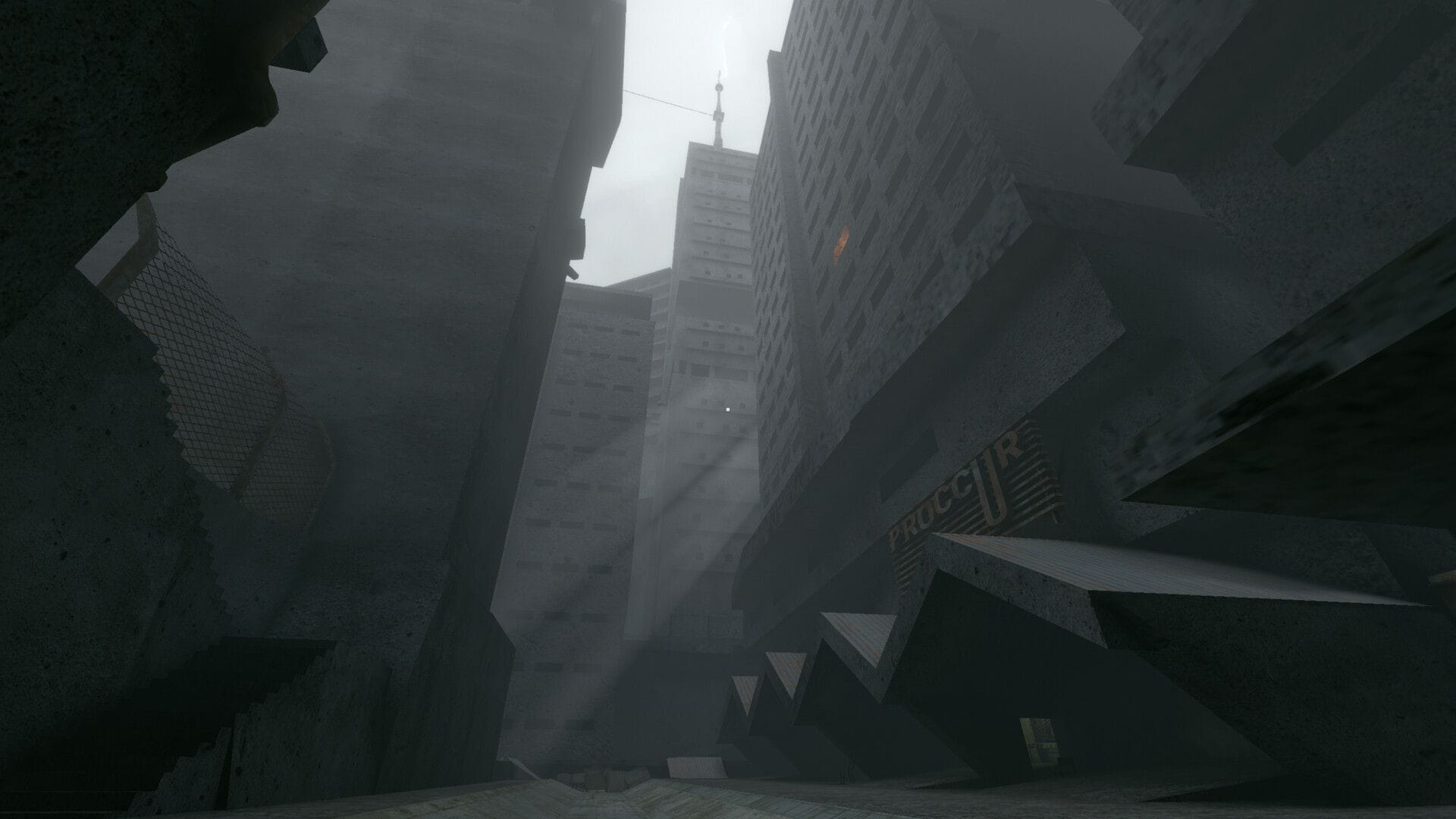
Brendan: Babbdi is a concrete wonderland. Your objective is to leave. For reasons nobody needs to explain, you navigate this small, underpopulated city with the furious finesse of a 90s arena shooter combatant. And various tools help you explore - from bouncy baseball bats or sticky pickaxes. Soon, tall apartment buildings become scalable cliffs, sewers become slip-slidey motorbike zones. The freedom to explore is one of my favourite things in games, and it's definitely a bonus when that exploration yields chat from potato-headed weirdoes who are, like you, trapped in this grey brutalist canyon.
The city in Bernband
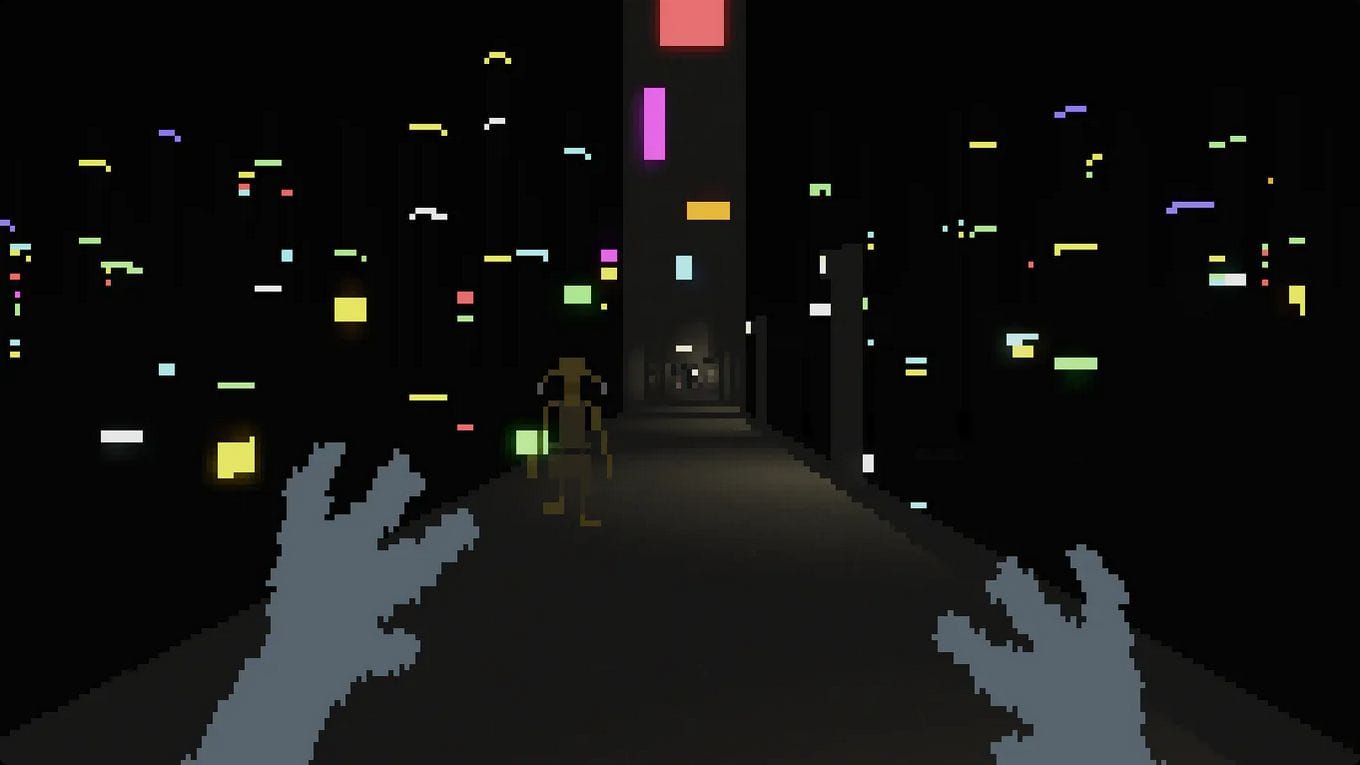
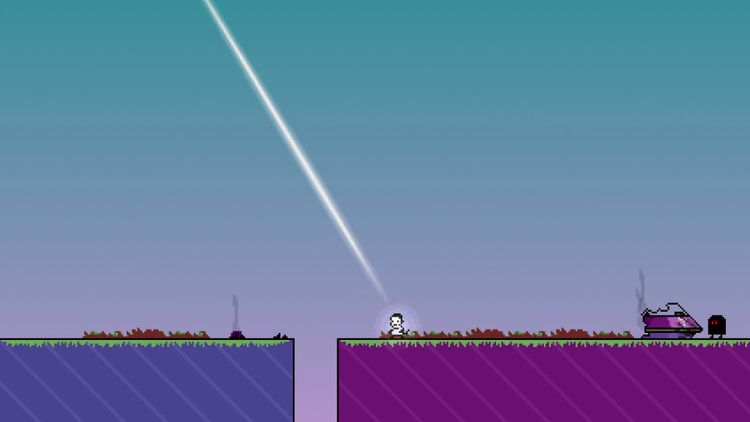
Brendan: There is no need to do anything Bernband but walk, look, and listen. It is a short free game about exploring an urban xenopolis with whizzing skytraffic and alien jazz clubs. There is, in some dark corners, the sensation of being in a sketchy alleyway late on a summer night. In other places, the buzz of the crowd is life. Bernband is an understated kind of sensory magic. It is short enough to fully explore in about a half an hour, and its extraterrestrial characters are all simple sprites. Yet it leaves as lingering an impression as the expensive environments from big, loud cyberpunk games. There's a good reason I am quietly looking forward to the upcoming rework.
The Vatican - Indiana Jones And The Great Circle
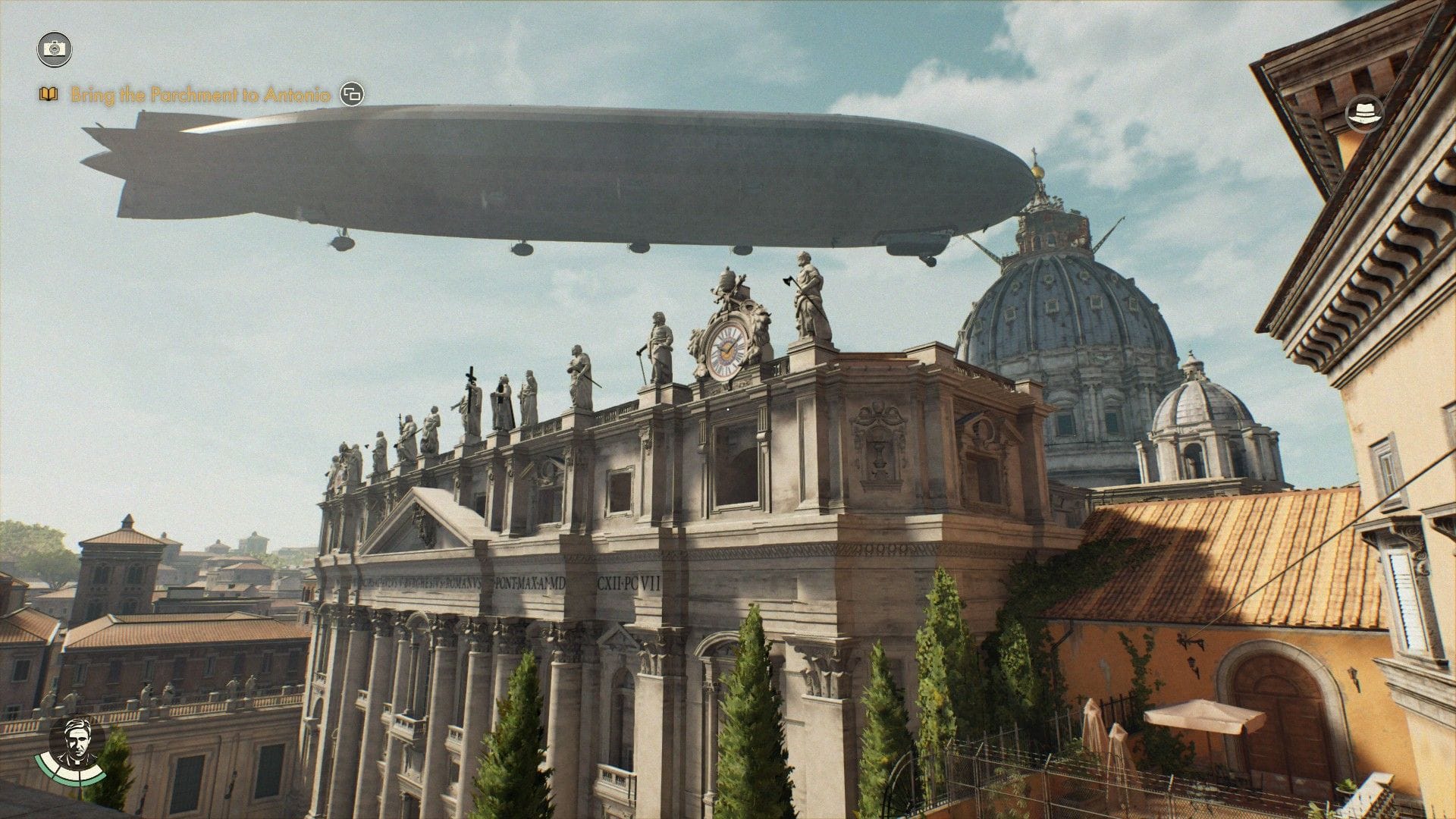
Graham: The Vatican is the perfect setting for doing what Indy does best aside from punching Nazis: interpreting strange symbols and statues as a pretext to destroying historic architecture and entering long-hidden catacombs. As you move from Sistine Chapel to apostolic library, you'll clamber over rooftops and uncover secret passageways until you eventually achieve a mastery over the space that would make an antipope seethe. It's also the perfect setting for doing that other thing Indy does best - punching Nazis, if you forgot - thanks to a mixture of costume-based social stealth and ring-fenced zones built specifically for the purpose. The Great Circle lets players explore several emblematic Indiana Jones settings, but none as dense and as perfectly suited to Indy's skillset as the Vatican.
The Office - The Stanley Parable
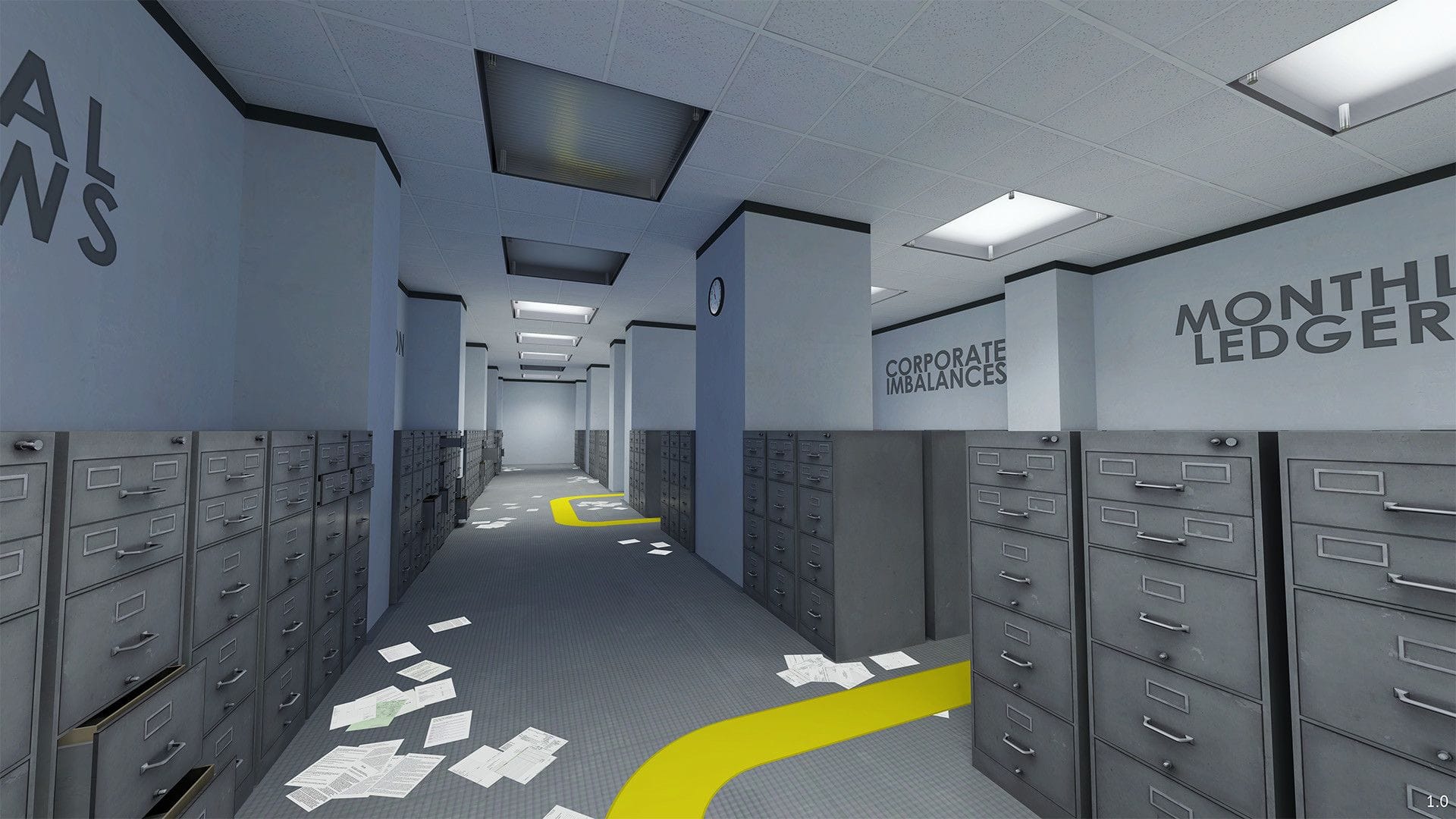
Brendan: We've all been taught about the "unreliable narrator" but what about the unreliable level designer? Half of the Stanley Parable's jokes only land because of the shifty, labyrinthine tricksterism of the office. Corridors that repeat themselves in endless loops. Doors that slam in your face. Hallways that weren't here an entire second ago. Is this even a "level" or is it just one big magic trick? A lot of my favourite levels are as stamped in my memory as real, physical spaces. I can reproduce arenas from Halo or dungeons from Dark Souls on paper with a decent degree of accuracy. But the dreamlike warping of Stanley's office defies memorisation.
The demo level in Dark Messiah Of Might & Magic
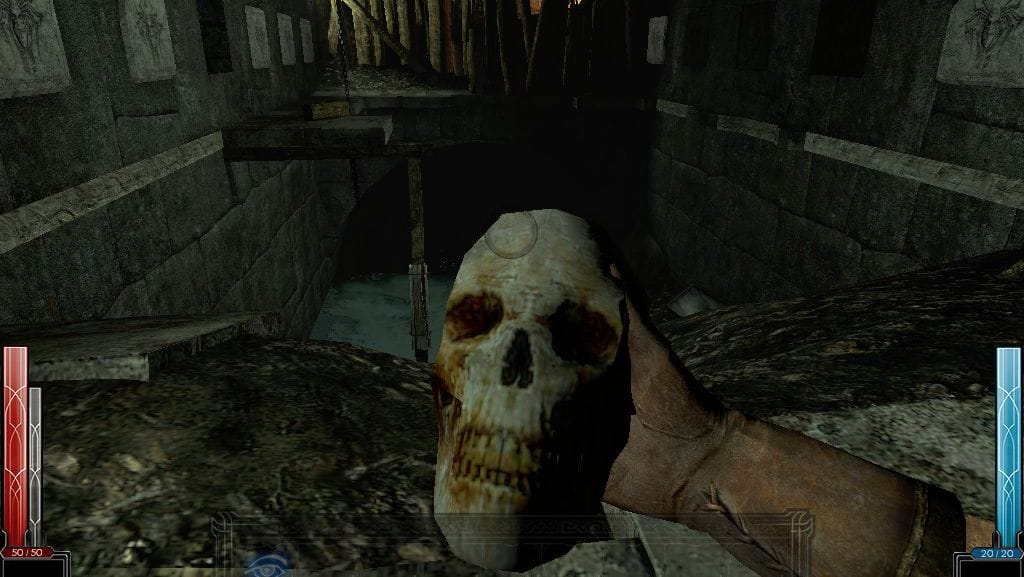
Graham: You ought to have noticed now, but first levels and demo levels are often our favourites because they encapsulate the essence of an entire game (and, one suspects, they had the most production time spent on them). Dark Messiah Of Might & Magic was a first-person RPG that made full use of the Source engine's physics system to let you mess with its enemy orcs, and this mid-game level, included with the demo, contained a playground specifically for that. I'm talking about a room covered with log traps, wall spikes, placed alongside a deadly abyss, in a game where players could cast ice magic at the floor to watch enemies stumble, or simply aim an impossibly hard kick at their chest to send them flying. Did it help that the demo also allowed players to enable the console, so they could replenish their supplies and respawn enemies over and over, like flies to torture? Sure, but only because the level provided the platform for exactly that kind of chicanery. It's not sophisticated, but it is a favourite.
Floating Island - Subnautica
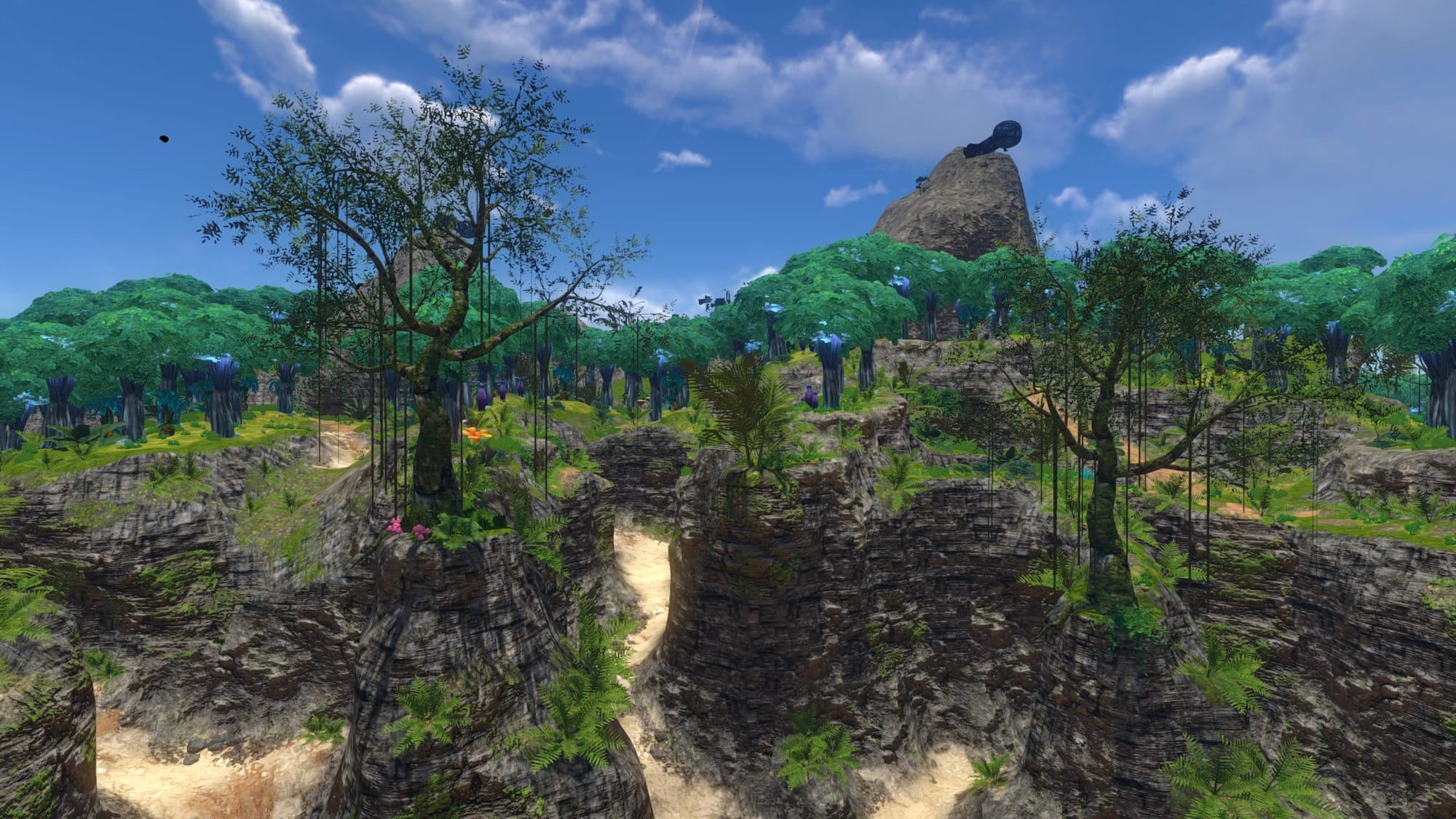
Brendan: There is a moment in Subnautica when you find land. Since all you've seen for a long time is an open expanse of tropical blue water, the sight of fresh green and sandy yellow is enough to lift your heart with the buoyancy of a thousand floats. The island is a jackpot. It has new plants to grow into food, blueprints for useful gizmos, posters you can put on your walls, wreckage you can reverse engineer, and audio logs with clues about some interesting survivors who landed on this planet before you.
I love this island, not because it is a particularly well-designed space to explore, or because it offers so many treats. I love it because it gives you what your body has been instinctively craving for hours - solid ground and safety - and forces you to realise that, actually, you don't need that any more. By this point, the sea is your new home, and to move to this island would frankly be a chore. If Subnautica is a game about learning to adapt, then the floating island is when you finally accept that you are a sea creature at heart.
Dogtown - Cyberpunk 2077: Phantom Liberty
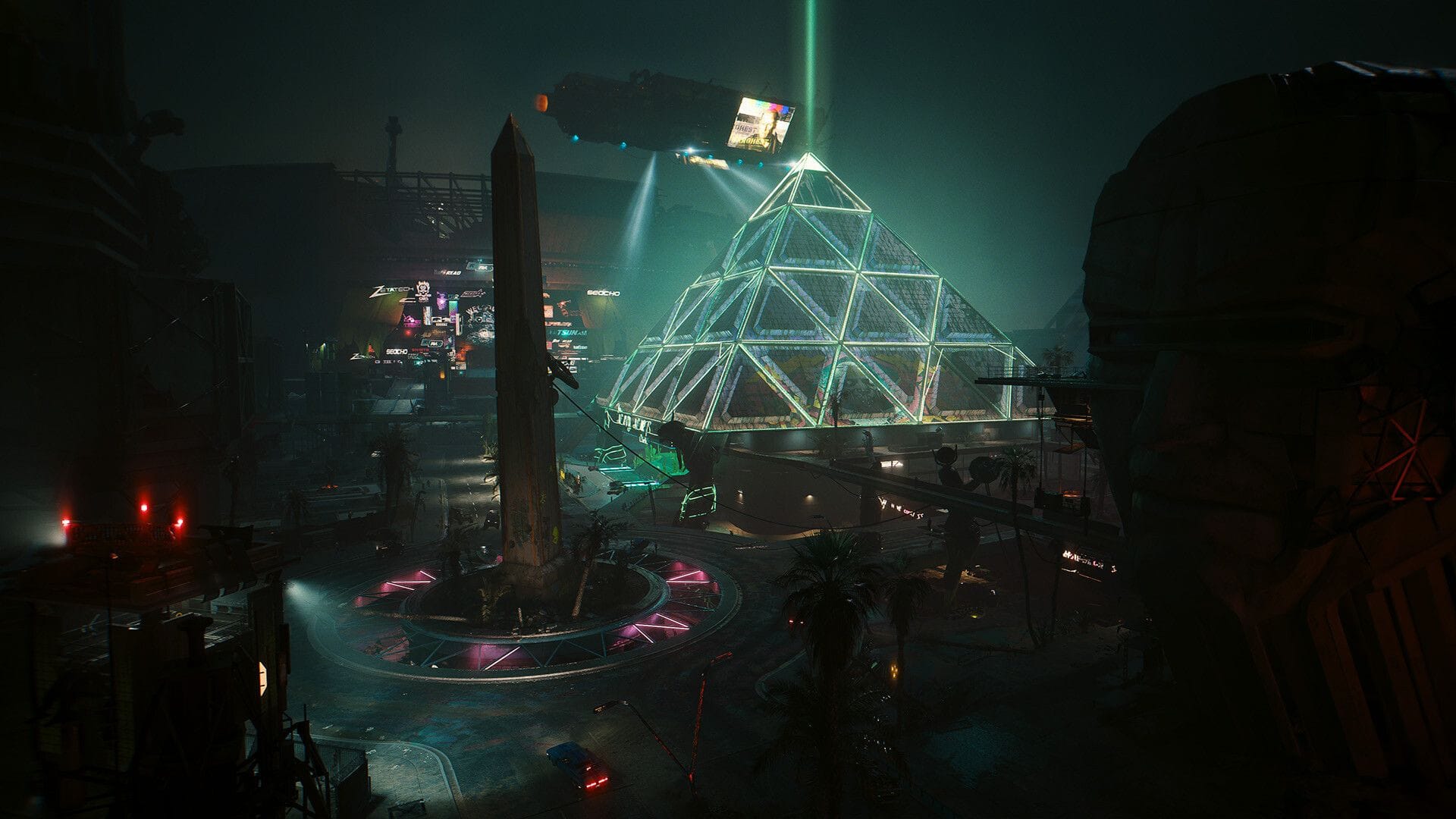
Graham: Is it fair to call a city district a "level"? What about an entire DLC? Even if reduced to just your initial introduction to it, Dogtown felt worth celebrating. That introduction takes place in the EBM Petrochem Stadium, which was half-destroyed by a crashing airplane before the story begins, and which is now home to a black market. It's a showpiece of exactly what CD Projekt Red can do given their considerable resources, and a sprawling, crowded, stunningly-detailed work of environmental storytelling that sets the stage for the story that follows. It's rare to be impressed by graphics in 2026, but Dogtown's black market manages it.
Test Chamber 19 - Portal
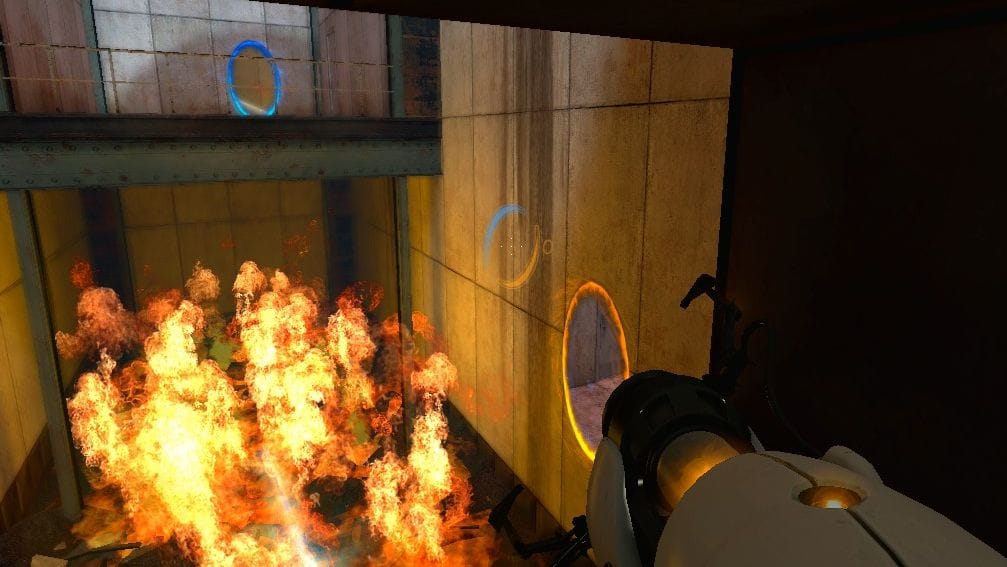
Brendan: It was so brave of Valve to just kill you off in this final test. As you travel along on a moving platform, satisfied that you've completed all the tests, your examiner GlaDOS opens the door to a raging furnace and you are cooked to death. What an ending! At first I thought, no, that can't be it. But really, it is! The game just ends! Right there in the fire. Some people might be disappointed, they might say it's an anticlimax. But I think it's great. What a finale!
Ravenholm - Half-Life 2
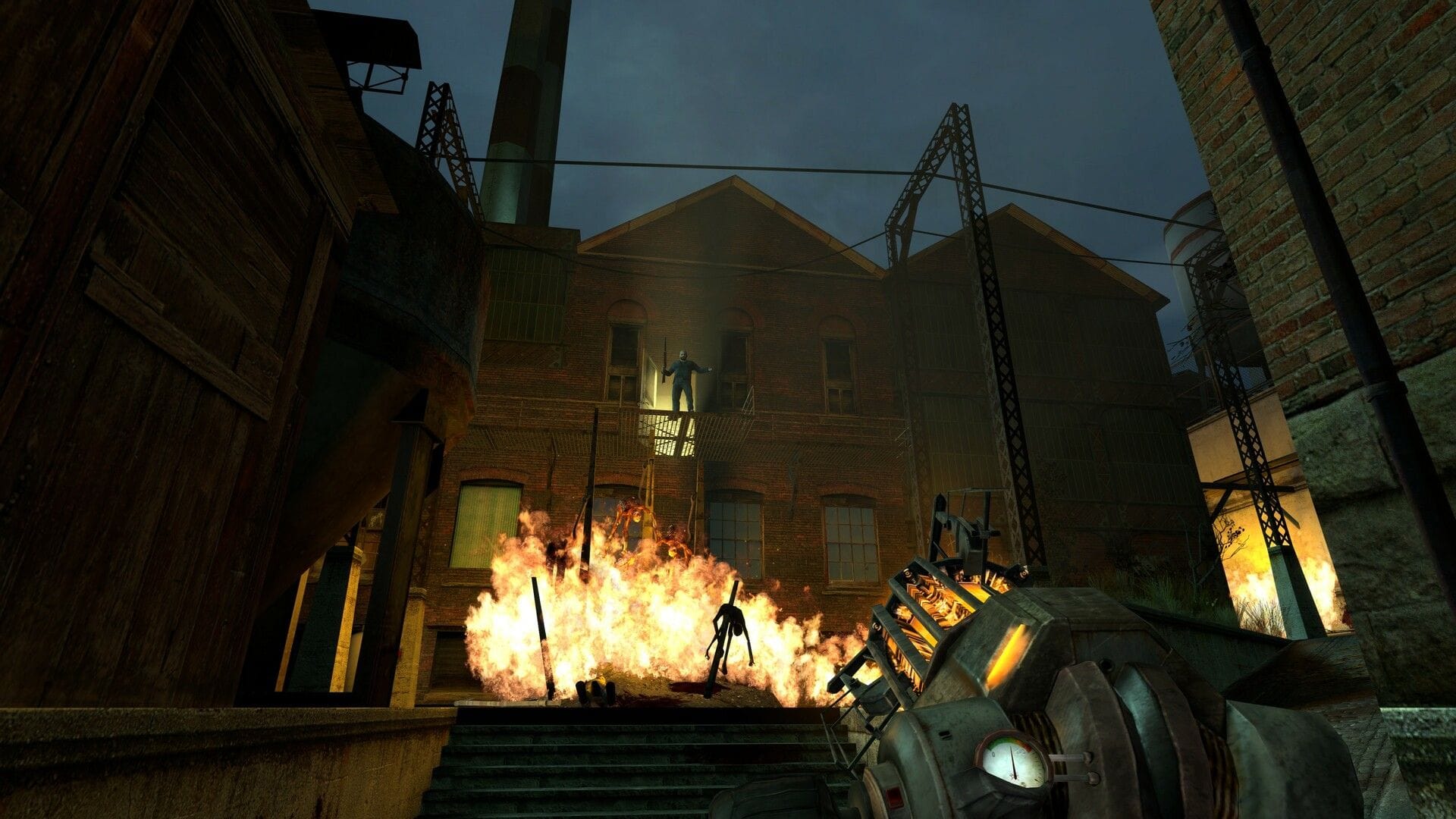
Graham: Horror was always central to the original Half-Life, but outdoor spaces and more bombastic action setpieces gave its sequel a different tone. Except for Ravenholm, of course, in which players head at night to a near-abandoned town overrun by a new strain of fast-moving zombies. If on your first play it feels like a horror game, the second and third become Half-Life 2's greatest power fantasy, as it's the first area you visit after Gordon receives the gravity gun. Ravenholm is covered in physics traps and sawblades that make short, gory work of every threat, until eventually it feels less like an oppressive gothic horror and more like a glorious playground you muck around in with your pal Grigori. Yes, we do go to Ravenholm, over and over.



Comments ()