
The first Splinter Cell novel makes Sam Fisher into a neocon Alan Partridge
Total Playtime is a Patreon-supported podcast about videogames, hosted by Alice Bell, Jon Hicks, Brendan Caldwell and Nate Crowley. Jank has partnered with them to bring their premium episodes to our paying subscribers - but we’re making this episode free to all.
Text Adventure is Total Playtime’s videogame book club, in which we read a videogame novelisation and try very hard to like it. In this episode, Alice, Nate and I were joined by the delightful Johnny Chiodini to read the first book based on Sam Fisher, Tom Clancy’s Splinter Cell by David Michaels. Nate fell at the first hurdle by erroneously reading the second novelisation, Tom Clancy’s Splinter Cell: Operation Barracuda, which speaks to the professionalism of the Total Playtime operation and why we felt it aligned with a website called Jank.
The practical impact of this error was limited, as both books are archetypal hoo-rah Clancyverse publications of the mid-2000s, when the US-lead invasions of Iraq and Afghanistan were still fresh. Both books were best-sellers, neither of them are any good, and the first is notable for capturing the spirit of the game in a startlingly negative way.
It has the classic game-adapation issue of a deadening over-reliance on gameplay tropes - in this case, describing every location as if briefing the level artist, specifying patrol patterns and light locations - while telling a story that is not, as far as I can tell, drawn from any Splinter Cell game. The author has simply concluded that this is how Sam Fisher sees the world, which gets marks for game knowledge but loses them all for how dull it is to hear about Sam’s seemingly pathological hatred of lightbulbs.
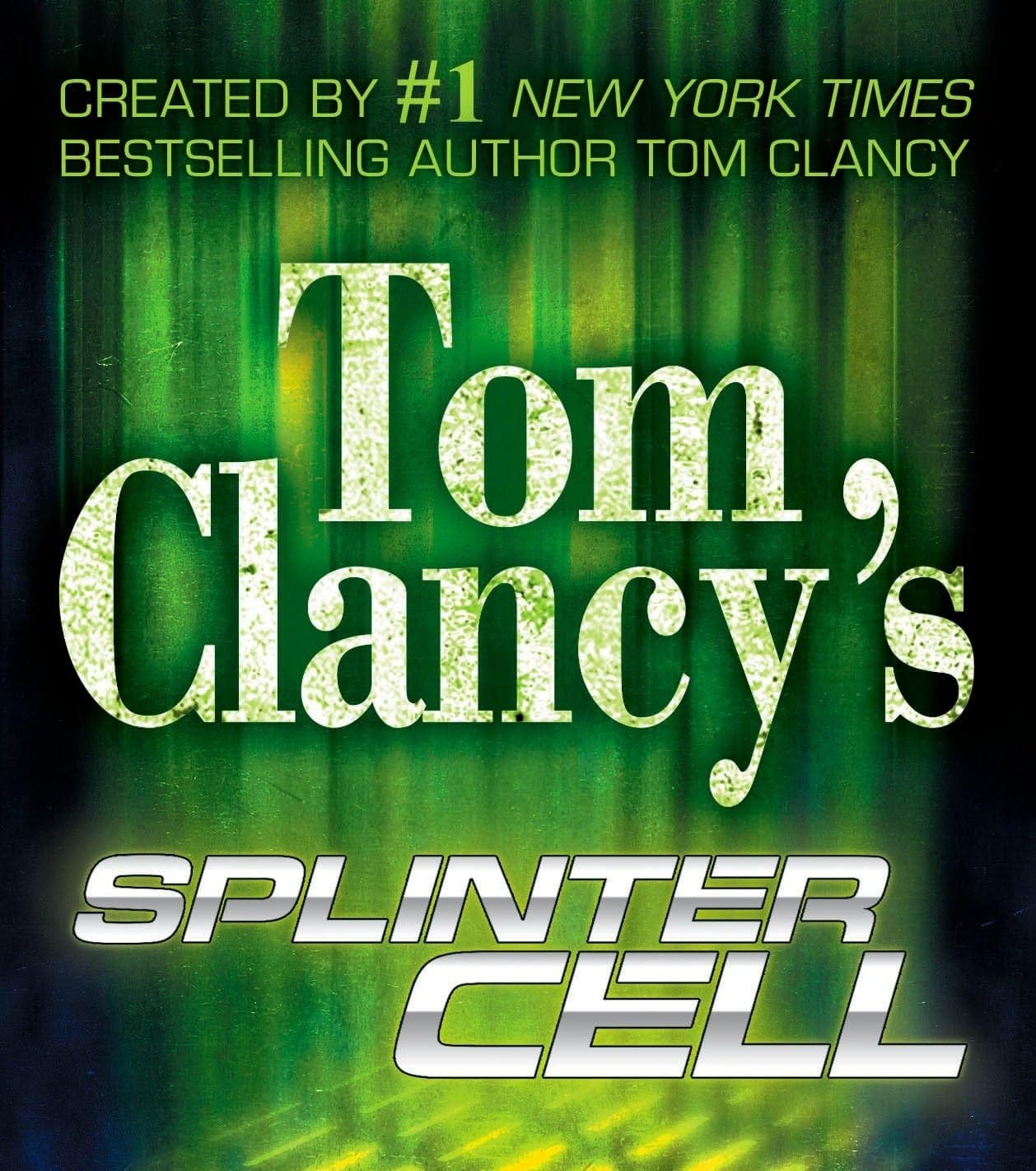
To read this book is to spend too much time in Sam Fisher’s head, which should be an improvement over novelisations which leave the protagonist as mute and uncomprehending, but in this case traps you in an interminable series of internal monologues about weaponry, Krav Maga and NATO codenames, like being stuck a lift with somebody telling you about their knife collection. Alice was the first to note that the delivery is a dead match for Alan Partridge to the point where you can append “Lynn” to every sentence, which is an observation that permanently coloured my reading from that point on.
The sense is of reading a book by, for and about neo-con 40-something dads who valorize steely competence and the US-lead world order while almost entirely lacking emotional intelligence, leading to scenes like Sam’s genuinely unhinged conversations with his gooey-eyed Krav Maga instructor. The time spent ruminating on his dedication to stealth and staying in the shadows is also sharply at odds with his performance, with a majority of encounters ending in open gun battles that couldn’t be further from “leave no trace”. This too suggests robust knowledge of games and specifically how many people play them, but makes no sense in the context of the plot’s valorisation of Sam's peerless stealth abilities followed by a mission which ends with him shooting four people in the middle of a busy casino before running into the street.
The other glaring competence issue is that Sam is incredibly skilled from a lifetime in covert ops yet simultaneously almost fatally incurious when encountering people and locations that are introduced with everything save a flashing neon sign saying This Is The Enemy. His daughter, who is kidnapped in a totally superfluous B-plot that serves only to add a slightly different flavour of period-correct prejudice to the narrative, is equally credulous but doesn’t have all that Krav Maga on her side, so has to wait around being non-specifically tortured until Sam shows up for the finale.
With its grimy globe-trotting locations, one-dimensional Middle Eastern enemy and brand-name superweapon, the US flag fluttering behind Sam at all times, it’s a notable artefact of its era that manages to both align closely with the Tom Clancy worldview and the spirit of the games. It isn’t a good book, though, and if you want to spend time with a deathly serious solo operative who’s incapable of human conversation the game is a much better bet.


Comments ()