
Saying goodbye isn't easy
Your final session with a game rarely registers as such. A new release turns your head and eventually you notice that months have gone by since you last pressed the big green button on Steam. By which point, any muscle memory has atrophied, or been muddled by different sets of keyboard shortcuts. Playing that game again will be difficult and, really, how good was it in the first place? This is the most common kind of gaming goodbye: an apathetic drift towards other distractions.
But there's another type: the goodbye to the game you've fallen in love with, in which the characters are fond companions and trustworthy accomplices. At a certain point, the rhythms of their conversation tapped their way into your brain, becoming a song you're happy to have stuck in your head. A welcome and soothing accompaniment to everyday life. Bidding adieu to characters like that takes careful management.
On the one hand, you value their company, and don't want to part too soon. On the other, they deserve proper closure, and that typically comes with the developer-mandated ending to the game in question. Spend too much time mopping up side-quests and collectibles and you may find it's been hours since you heard a peep from your beloved protagonist or their pals, a scenario that threatens to reduce them to empty avatars automatically pathfinding their way around a map.
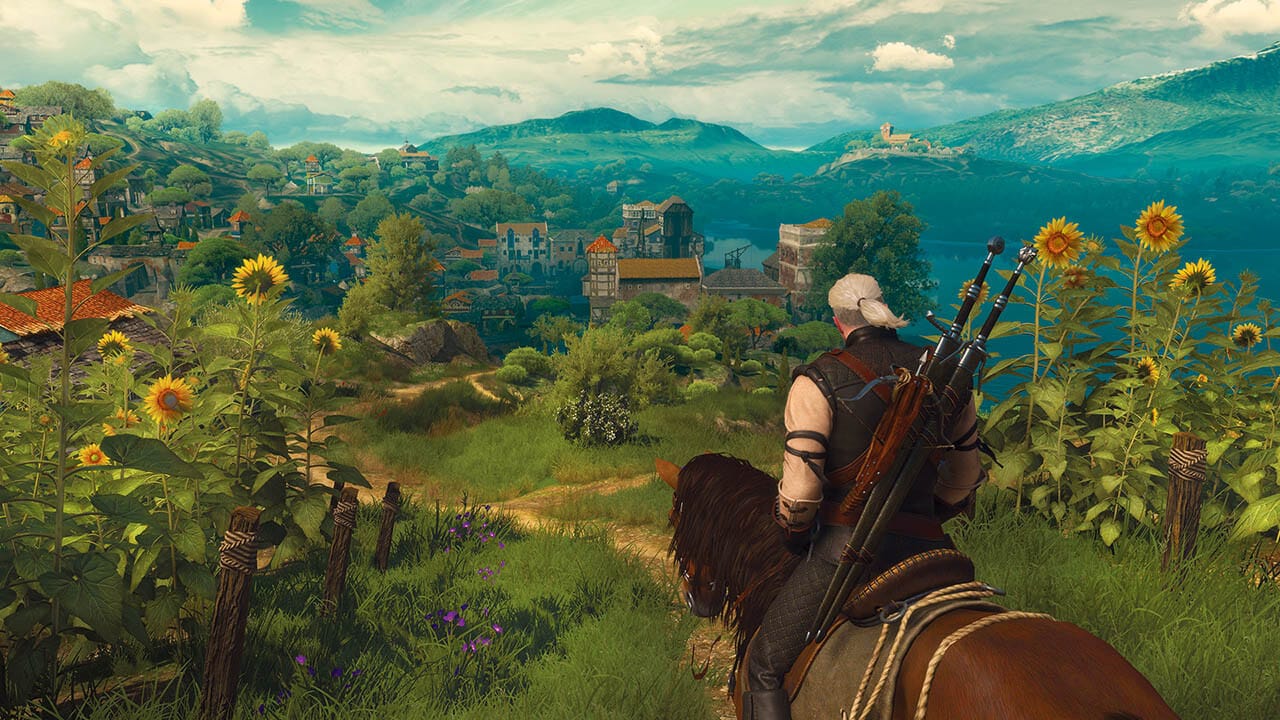
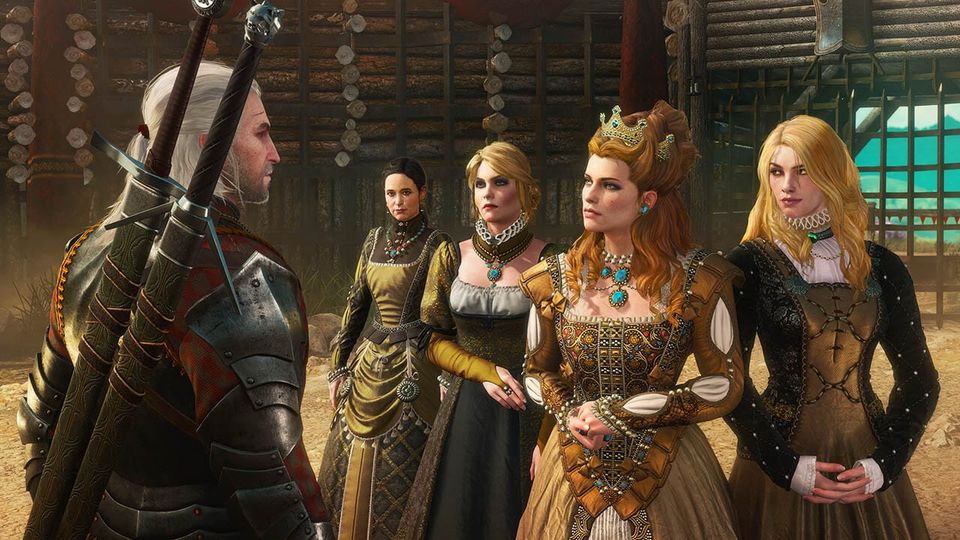
For many, The Witcher 3 is the platonic ideal of a game that ended well: wrapping up relationships with its key cast in a fashion that made it comfortable to leave them in the past. When its Blood and Wine DLC launched in 2016, reviewers specifically praised the expansion for leaving Geralt in a good spot, like a portrait on the wall. Fans who had invested hundreds of hours embodying old yellow-eyes could happily move on, and that fact was considered more important than any French-flavoured new region or vampiric questline.
For that reason, I suspect that the arrival of a new Witcher 3 DLC story next year will be exciting and distressing in equal measure. It's thrilling to step back into Geralt's blood-caked boots, of course, but to do so involves a kind of emotional exhumation. What was closed will be opened, and with that change comes the outside possibility that CD Projekt Red will screw things up. The place they next choose to abandon Geralt might leave a bitter taste, entirely unlike the mouthfeel of Toussaint grapes.
For much of last year, I sailed the Sunless Skies in a steam train captained by a London urchin
So it goes when you fall for characters who form part of a franchise. Lest we forget, Geralt was already put to bed once, before CDPR ever got their mits on him. The ending that Andrzej Sapkowski gave the witcher wasn't comfortable, but it was definitive. Until a bunch of upstart game developers decided to resurrect him at level 1 with amnesia.
Then there's the TV series, where fans are still coming to terms with the departure of Henry Cavill's Geralt, who has already been succeeded by a backup Australian Geralt. There is no true rest for a character who can prop up a long-running series indefinitely.
Perhaps the only way to protect yourself from endless resurrections such as these is to play as characters of your own making. For much of last year, I sailed the Sunless Skies in a steam train captained by a London urchin. Over time, as she gathered experience and trauma, the game allowed me to select more and more Facets for my protagonist's personality. A week before her thirteenth birthday, she'd happened upon a cache of terrible secrets in a lord's attic, and leveraged the situation for personal advantage. She'd suffered a spell in prison, where the dark was thick as tar and the cells small as pantries. And when the capital had taken to the Skies, she'd gone with it, chasing fortune in the most literal sense.
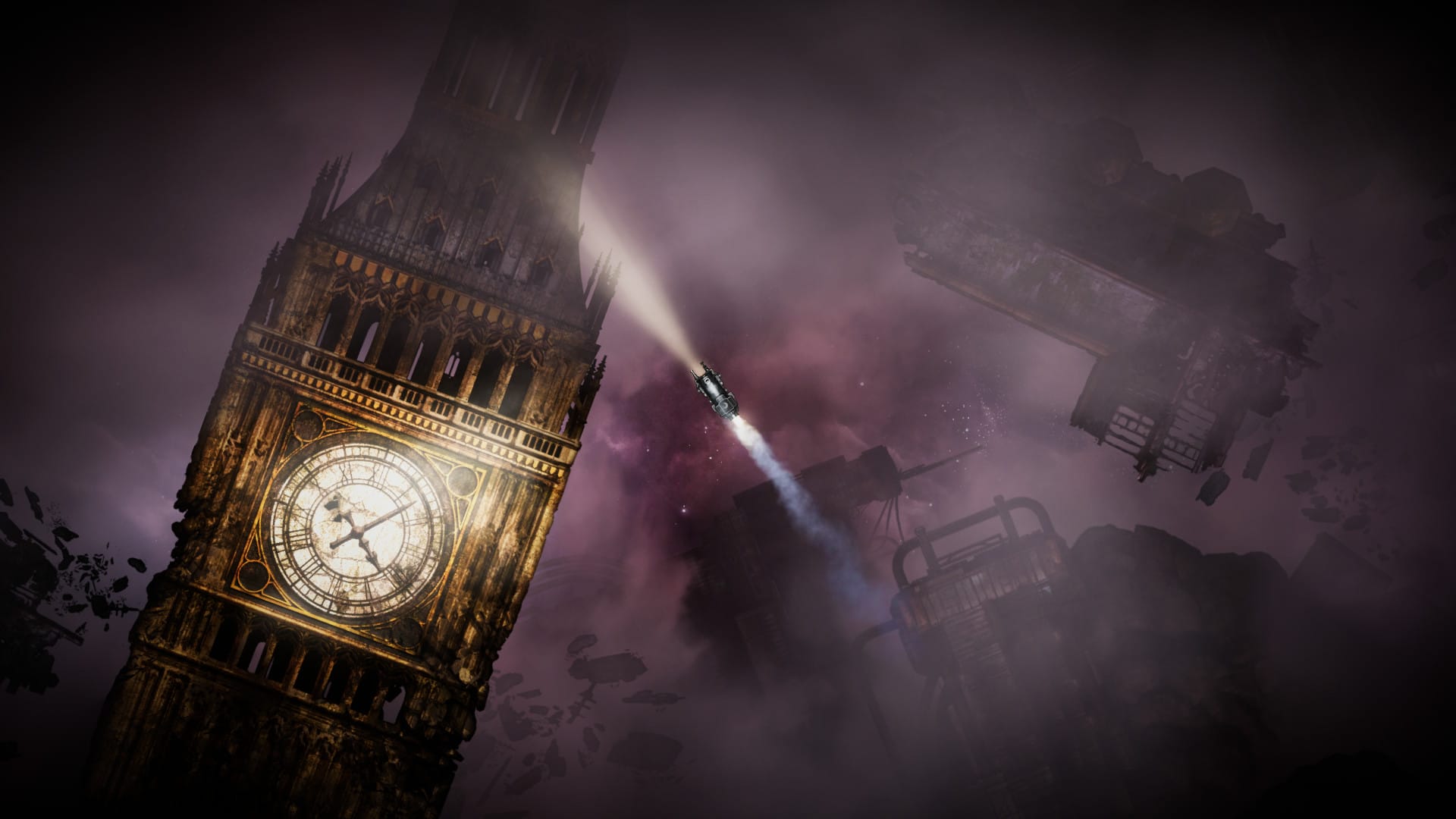
Somehow, after dozens of hours of roguelike terror, she'd survived. And by then, the only main objective left in my log was to settle down and leave the smuggler's life behind. Challenging sidequests still beckoned, but each one carried the risk of losing it all in a single brutal broadside. And so I found myself in an unprecedented position in my gaming career: choosing the terms of my character's retirement.
The first priority was inheritance tax, as it is for all nouveau-riche. By default, Sunless Skies would take the lion's share of my coin before passing the remainder down to my successor. So instead, I converted as much as I could into fuel and supplies - enough to keep subsequent captains adrift for months and years on end.
Then I stripped my juggernaut, Knossos, down to its hull, removing the gargantuan cannon and reinforced windshield; the Wit & Vinegar sawing device and devil-made engine; the fitted cupboards and concealed cavities for contraband. All were piled into storage at Hallidges bank, ready to buoy a future captain's ego. It felt oddly like getting ready for bed before tucking myself in: folding trousers neatly atop shoes, tossing socks into a waiting basket.
All that remained was to burn my remaining cash on a gaudy and obnoxious party in my floating townhouse, paying out for security, entertainment, and the blind eyes of the authorities. A fitting last hurrah for the London underworld, and for my captain. Sunless Skies describes the scene like the perfect goodbye.
"Your 'coming out' ball runs for three days and three nights, to give everyone time to arrive - and leave - quietly. Throughout, your estate is overrun by criminals, smugglers, spies and poets. They drink your wine cellars dry. They swing from your chandeliers. There are seven murders. It is a resounding success."


Comments ()