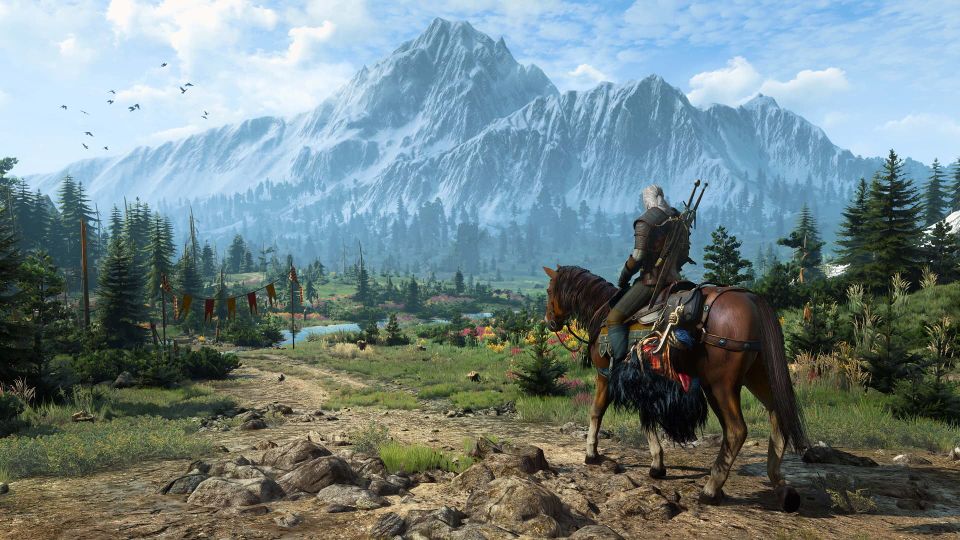
The Witcher 3

The first Witcher book is great, which points to a larger problem

Rivia questions

Total Playtime is now the official Jank podcast, hosted by Alice Bell, Jon Hicks, Brendan Caldwell and Nate Crowley. Text Adventure is our videogame book club, in which we read a videogame novelisation and try very hard to like it. Ahead of the imminent arrival of Season 2 of Text Adventure, we’re finishing up our summaries of the first season. 

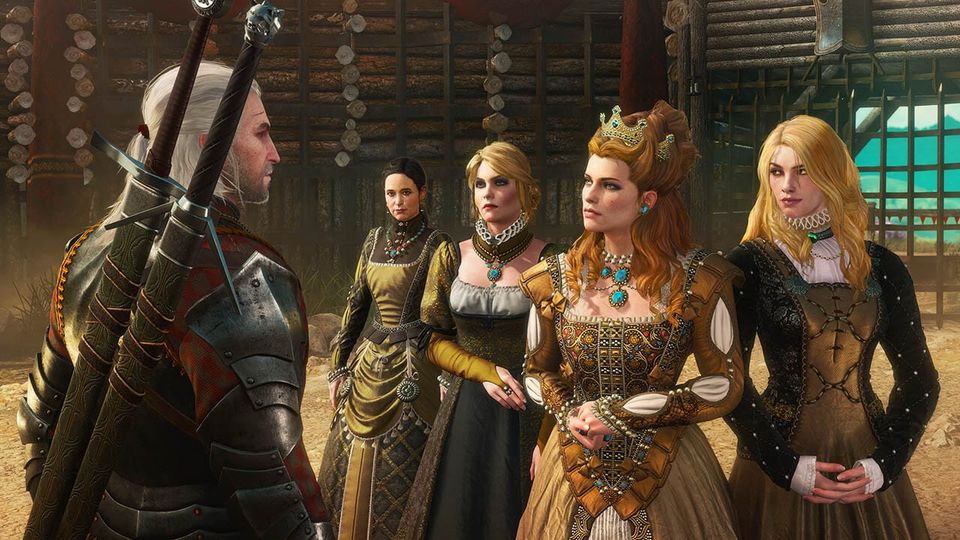
This article series has not matched the broadcast order because I wanted to end here, with Andrzej Sapkoski's The Witcher: The Last Wish: a collection of short stories that is more-or-less (the publishing order is somewhat haphazard) the first time that anybody encountered roving monster slayer Geralt of Rivia. It is by some distance the best book we read, and unfortunately I must assume that is because it was written as standalone prose rather than something that was backed out of a game world. 
This post is for paying subscribers only

Already have an account? Sign in.

Saying goodbye isn't easy

How do you let go of game characters you adore - especially when developers won't let you

Your final session with a game rarely registers as such. A new release turns your head and eventually you notice that months have gone by since you last pressed the big green button on Steam. By which point, any muscle memory has atrophied, or been muddled by different sets of keyboard shortcuts. Playing that game again will be difficult and, really, how good was it in the first place? This is the most common kind of gaming goodbye: an apathetic drift towards other distractions.

But there's another type: the goodbye to the game you've fallen in love with, in which the characters are fond companions and trustworthy accomplices. At a certain point, the rhythms of their conversation tapped their way into your brain, becoming a song you're happy to have stuck in your head. A welcome and soothing accompaniment to everyday life. Bidding adieu to characters like that takes careful management.

On the one hand, you value their company, and don't want to part too soon. On the other, they deserve proper closure, and that typically comes with the developer-mandated ending to the game in question. Spend too much time mopping up side-quests and