
Here's our 17 most-loved multiplayer FPS levels
When Graham and I sat down to scrounge together a definitive list of our favourite multiplayer first-person shooter levels, we knew that many of them would originate in the late 1990s and early 2000s. We are children of the dial-up deathmatch, so it comes as no surprise that many of our most-loved maps are simple blocky arenas made of grubby textures and low-definition skyboxes.
But what has surprised me is how the best modern maps feel like classic favourites. Any fast-paced bloodsport today still benefits from the fundamentals of map design that were hashed out by the makers and modders of yesteryear, and some of the most interesting multiplayer maps of modern times come about when studios commit to a strong theme, just like 90s developers were fond of doing, repressing any consideration of long sightlines or cheesy camping spots in favour of a single funny idea. Okay, nobody at Blizzard is making a homage to Facing Worlds. But battle royale maps that dramatically evolve are all about flavour begetting function. And the Finals definitely owes a thing or two to Quake 3. Don't get what I mean? Read on, and find out.
Crossfire - Half-Life
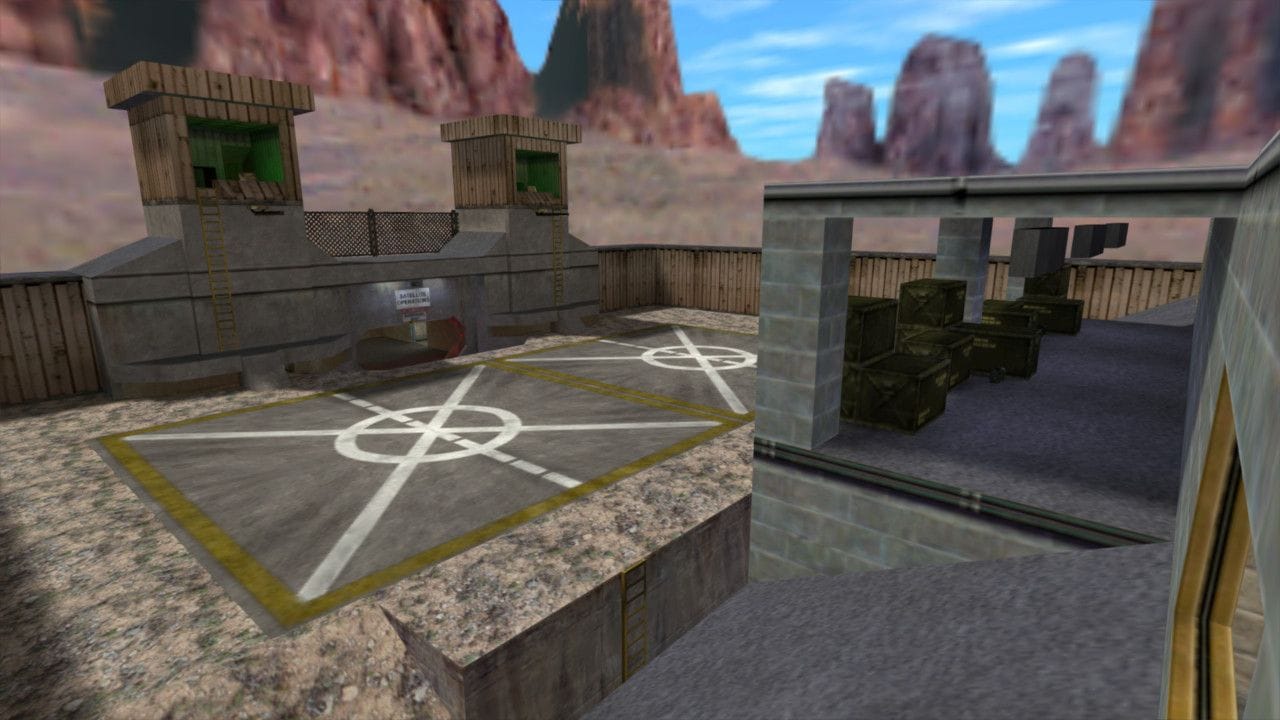
Graham: It's all well and good having a perfectly balanced, multi-faceted death arena, but sometimes what I want is the brutal simplicity of a gimmick like Crossfire. On one side of this deathmatch level is a bunker, inside of which is a button that begins a countdown to a nuclear strike. Everyone in the level not safely inside the bunker will be gibbed instantly. No one gets the credit for those kills, but it sends everyone on the map scurrying towards the bunker to duck inside before the blast doors close, and the skirmishes that happen become increasingly frantic and exciting as people gun each other down, die, respawn, and begin that sprint to safety once more. From Left 4 Dead's helicopter escape to Arc Raider's last-second exfiltrations, they're all simply trying to recreate the experience of sliding under Crossfire's blast doors.
King's Canyon - Apex Legends
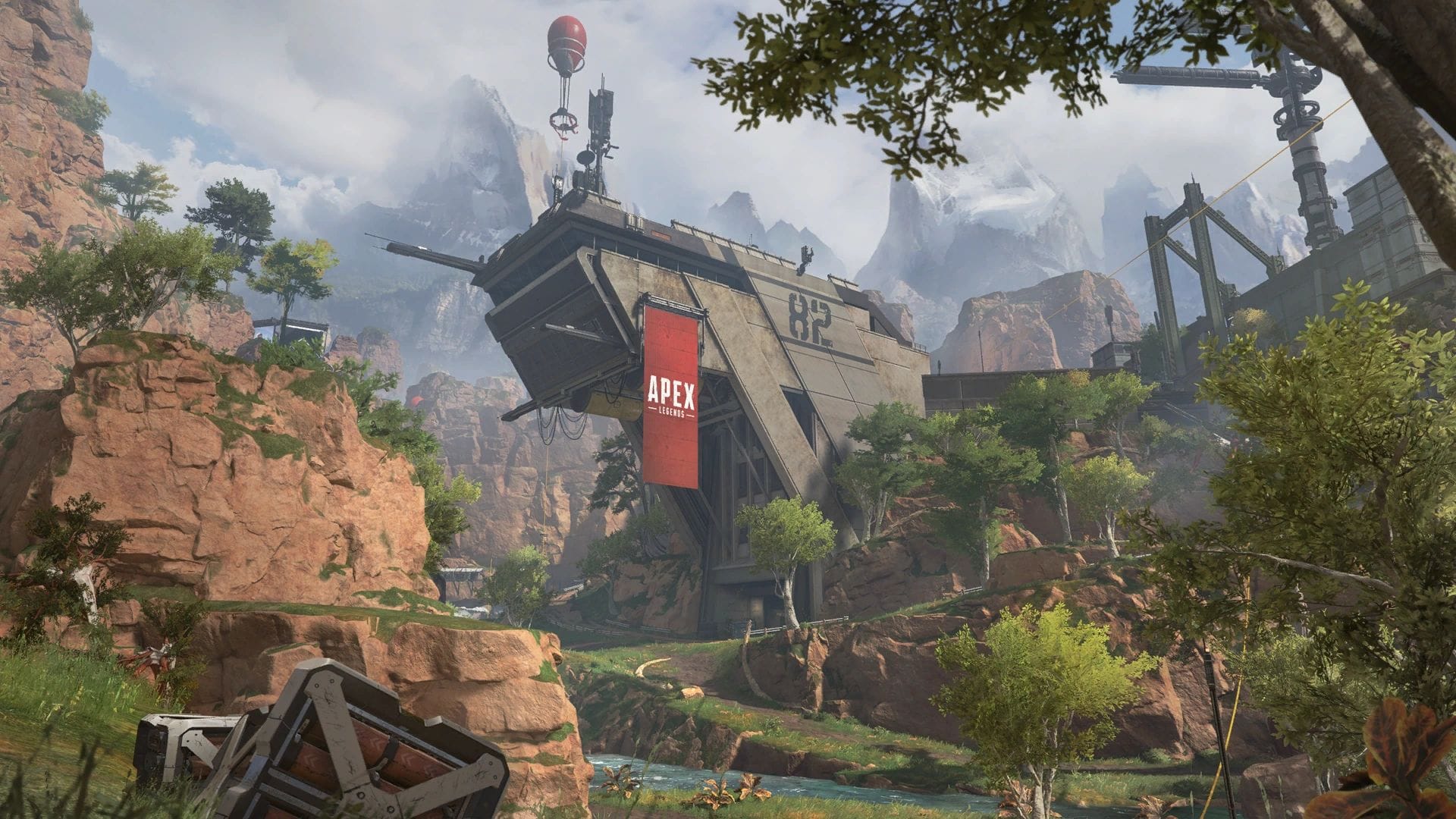
Brendan: Fair play to Respawn, when Apex Legends was announced I was not particularly excited. Then I dropped into that snaking river that runs down the middle of King's Canyon. There are a sufficient number of clever FPS deathzones in this big map to keep me satisfied even as a fella who until then was mostly allergic to battle royale. The Pit was a big drum that invited a quick brawl. The Swamps were host to many a late game failure. Skull Town was horrible, and I'd refuse to drop there because this is not Call of Duty, but its reputation as a meat grinder meant that any time my team would find ourselves funnelled into the bony settlement, my heart rate would spike. But my favourite area of Kings Canyon remains the actual canyon - that royal gorge in the centre of things, where the ziplines are lifesavers and having the high ground really matters.
cs_assault - Counter-Strike
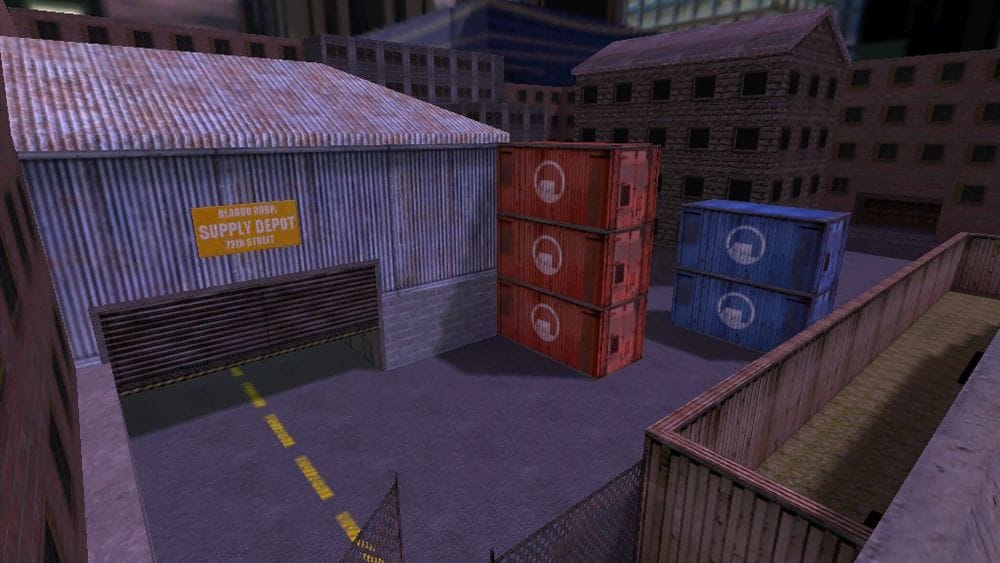
Graham: Counter-Strike's most beloved levels are clearly de_dust and its sequel, which boiled the team shooter down to a ruthlessly balanced mid-level collision between terrorists and counter-terrorists. My preference has always been for the levels that lean into asymmetrical warfare, encouraging terrorists to entrench themselves (or "camp", if you're nasty). No level is better for this than cs_assault, where counter-terrorists must funnel themselves through one of three chokepoints to enter a warehouse and have any hope of winning. On good servers, this demands actual coordination to synchronise the moment of breach, and makes smoke grenades, flashbangs and covering fire an actual necessity. It also creates the kind of comebacks and underdog victories that make the best multiplayer matches so thrilling.
Utah Beach - Hell Let Loose
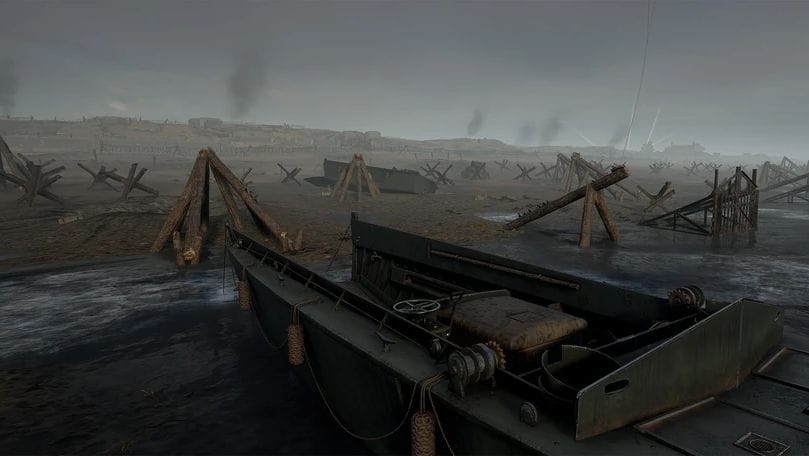
Brendan: You are going to learn one thing from this list: we like dying on beaches. Hell Let Loose is the WWII shooter that relies on you committing to your own demise. You are going to perish so many times on this beachhead. The only way off it is to pop enough smokes and get a timorous foothold at one of the bunkers or houses on the horizon. The co-ordination required to push as a unit is dependent on having communicative squad leaders and obedient soldiers. Nobody is getting off this stretch of hellsand without lots of shouting. As an attacker, you will be doing surprisingly little firing. As a defender, you will be sweating from the pressure of keeping so many distant little men in their place. If even one or two get past, it will feel like instant loss. In any other shooter, a map like this would feel unfair, unbalanced, and far far too big. In Hell Let Loose, it is the perfect shape and size. Now get up, and run.
The Edge - Quake 2
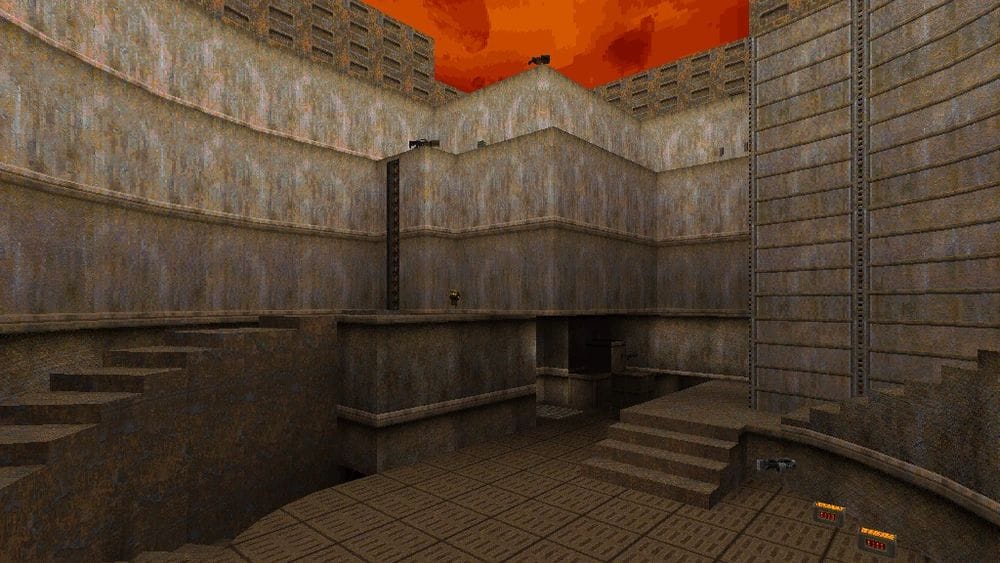
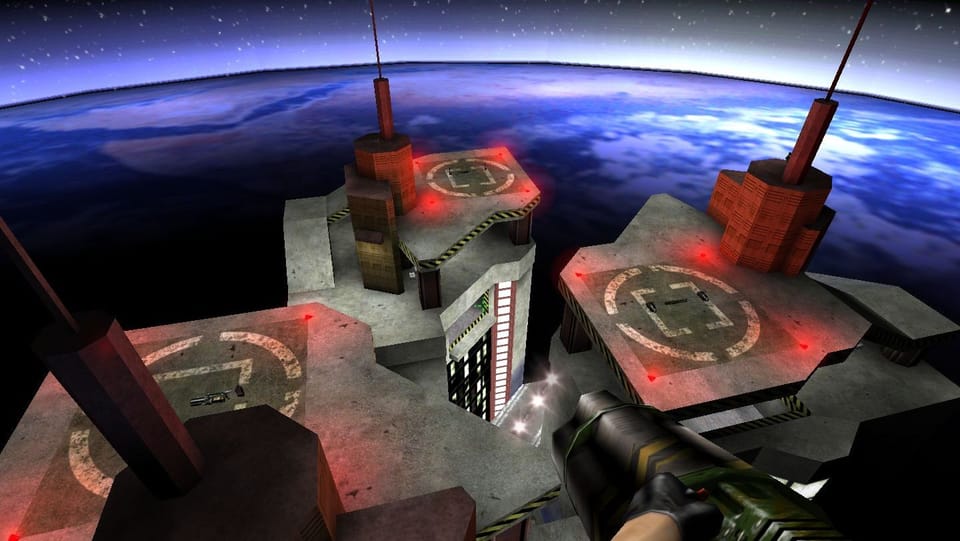
Graham: Nearly all my time within Quake 2 was spent in The Edge. It's defined by a single, circular atrium with stairs around the side and sheer walls just begging to be shortcutted with rocket jumps, and a tunnel of water at its base offers a risky killzone and access to a BFG for those who dare. The Edge is still where my mind goes when I think about the platonic ideal of a deathmatch map, and there was nothing better in the '90s than downloading the Eraser bots mod and spending some after-school hours chonk-chonk-chonking grenades from on high.
Chernarus - DayZ
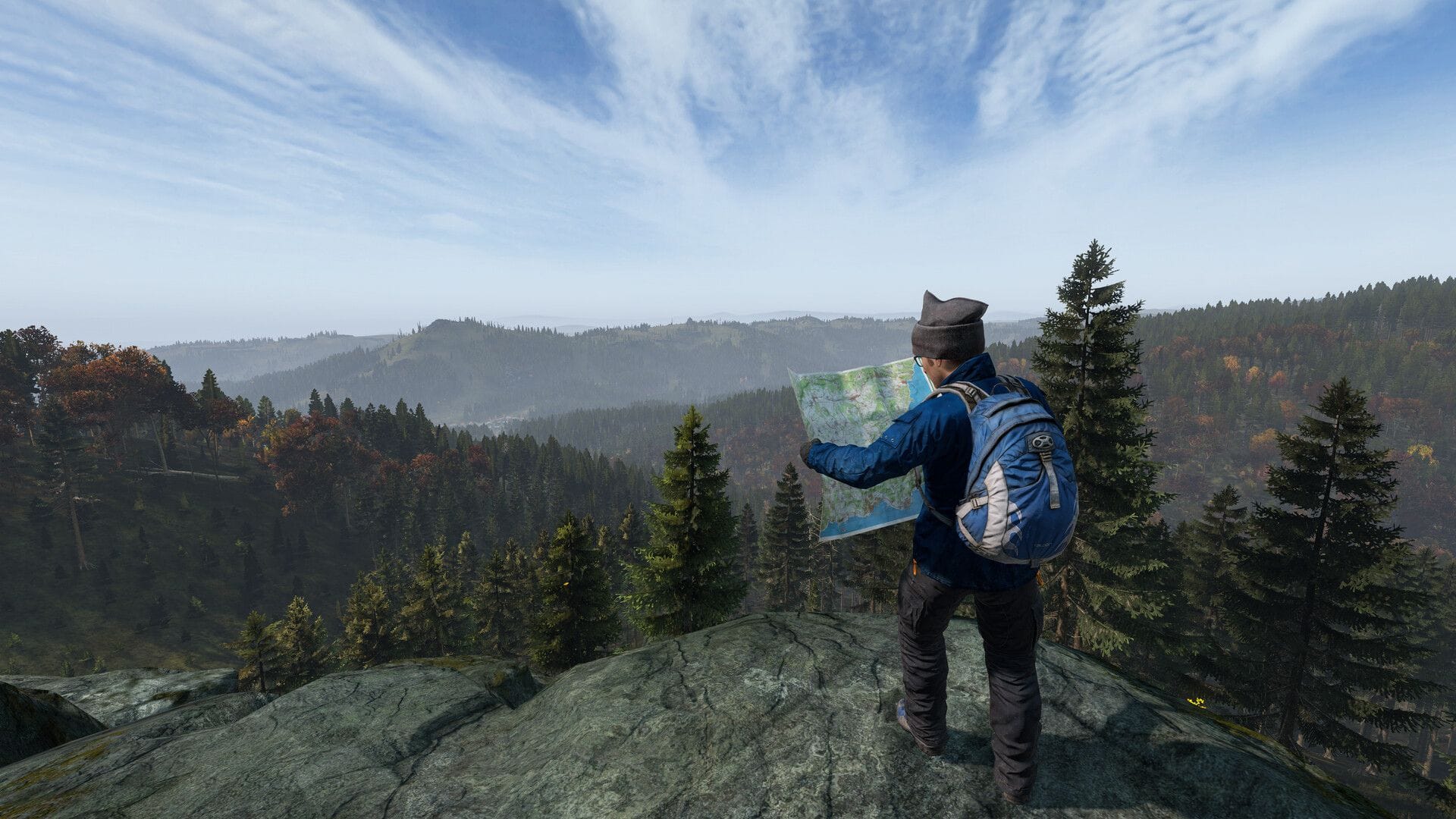
Brendan: Ah, sweet apocalypse. It's easy to remember DayZ as the unforgivably buggy survival game that never felt finished, even when the developers deemed it done. But it also offered milsim scale and countryside flavour to a genre that was mainly about being hungry. Chernarus is full of places to die in interesting ways. Approaching the small cities of Electro or Cherno in search of ammo or a tin of lunchmeat is accompanied by a kind of tip-toeing cheekiness. Setting off for the military camps and airfields in hopes of finding the best weapons is a kind of road trip fuelled by dread.
The feeling of travelling through Chernarus and its many identikit houses was essentially a tonal progenitor to the entire battle royale genre that would soon follow. The hardcore extraction shooter likewise owes all of its emotional resonance to this barren Russian landscape and the swift deaths that come with crossing an open field without pausing to look and listen. In Chernarus, you don't just sprint from point of interest to point of interest. You orienteer from killzone to killzone. Forget Marathon, maybe I'll go back to Chernarus. I'll meet you on the bea--
[gunshot]
Q3DM17/The Longest Yard - Quake 3 Arena
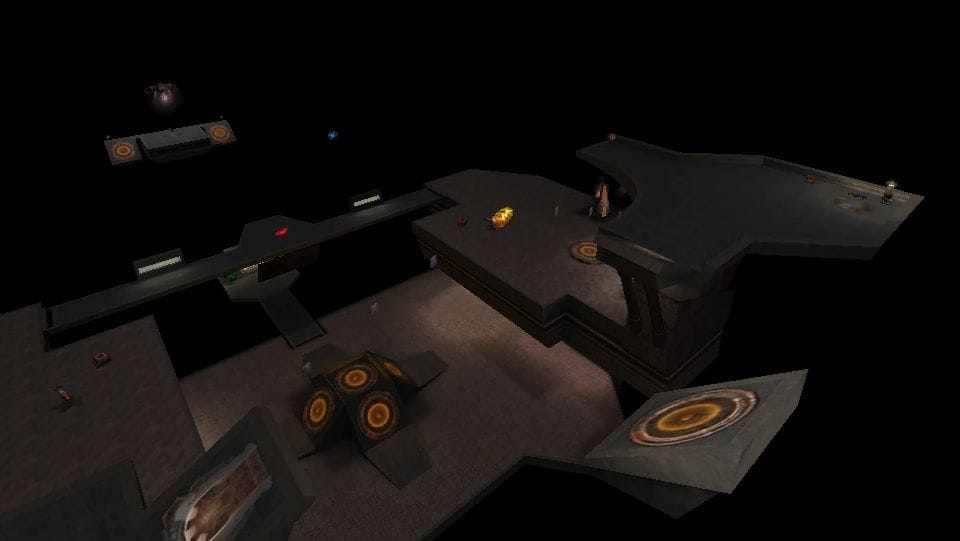
Graham: Deathmatch maps of the '90s found a formula, typically funneling players from corridor to atrium and back again in a series of overlapping loops designed to break up sightlines while keeping players moving. The Longest Yard doesn't break up sightlines at all. It doesn't even have walls. Instead there are layered platforms and jump pads to move between them, with the longest leaps offering the largest rewards (a railgun, the quad damage) but also presenting you to every other player on the server like a clay pigeon for shooting. The result is the quintessential Quake 3 Arena map, which keeps every player on the server constantly engaged in combat and allows for fantastic feats with the railgun and rocket launcher.
Temple Of Anubis - Overwatch
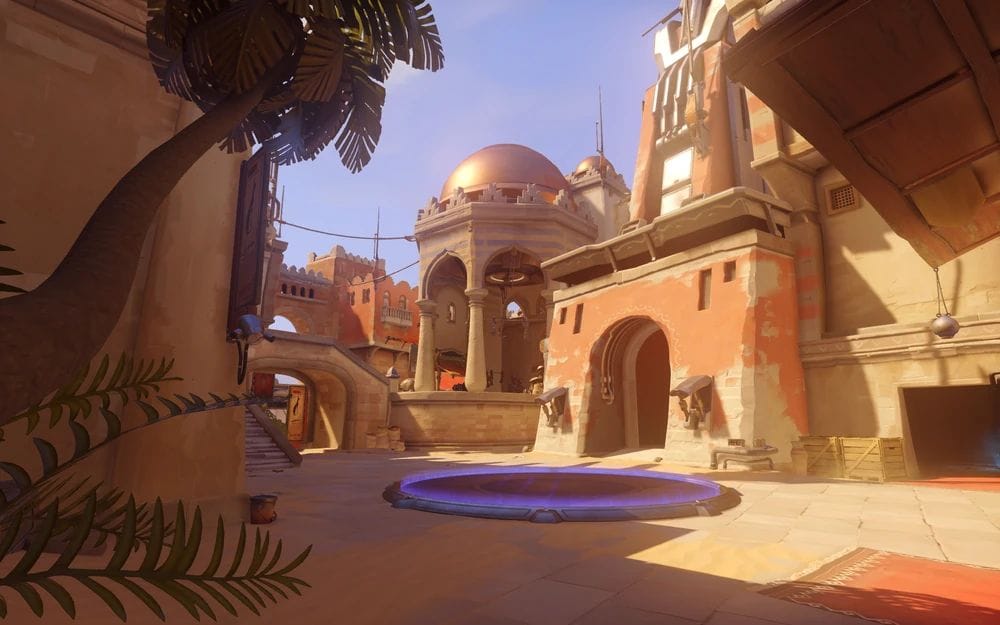
Brendan: Temple of Anubis is watertight. There are many maps in Blizzard's hero shooter I like for their gimmicks and tricks. Volskaya Industries has floating platforms you can build a turret on to pester enemies from above. Horizon Lunar Colony has a low-gravity flanking path that results in quiet floaty fights. But I like Temple of Anubis precisely because it doesn't have any gimmicks. It is choke-point Overwatch at its purest, fightiest, dirtiest, and most aggressive. There are basically two bottlenecks in every Assault-style Overwatch map, and you usually don't get past them unless you work together to form a ragestorm of pure overwhelm. Temple of Anubis caters to these cramped fights and ability lightshows in a typical but pure way. It's like a really professional margherita pizza from a strong Italian takeaway that you know will please you more than the showy tryhards with too many toppings at the themed restaurant down the road.
Dm_morpheus - Unreal Tournament
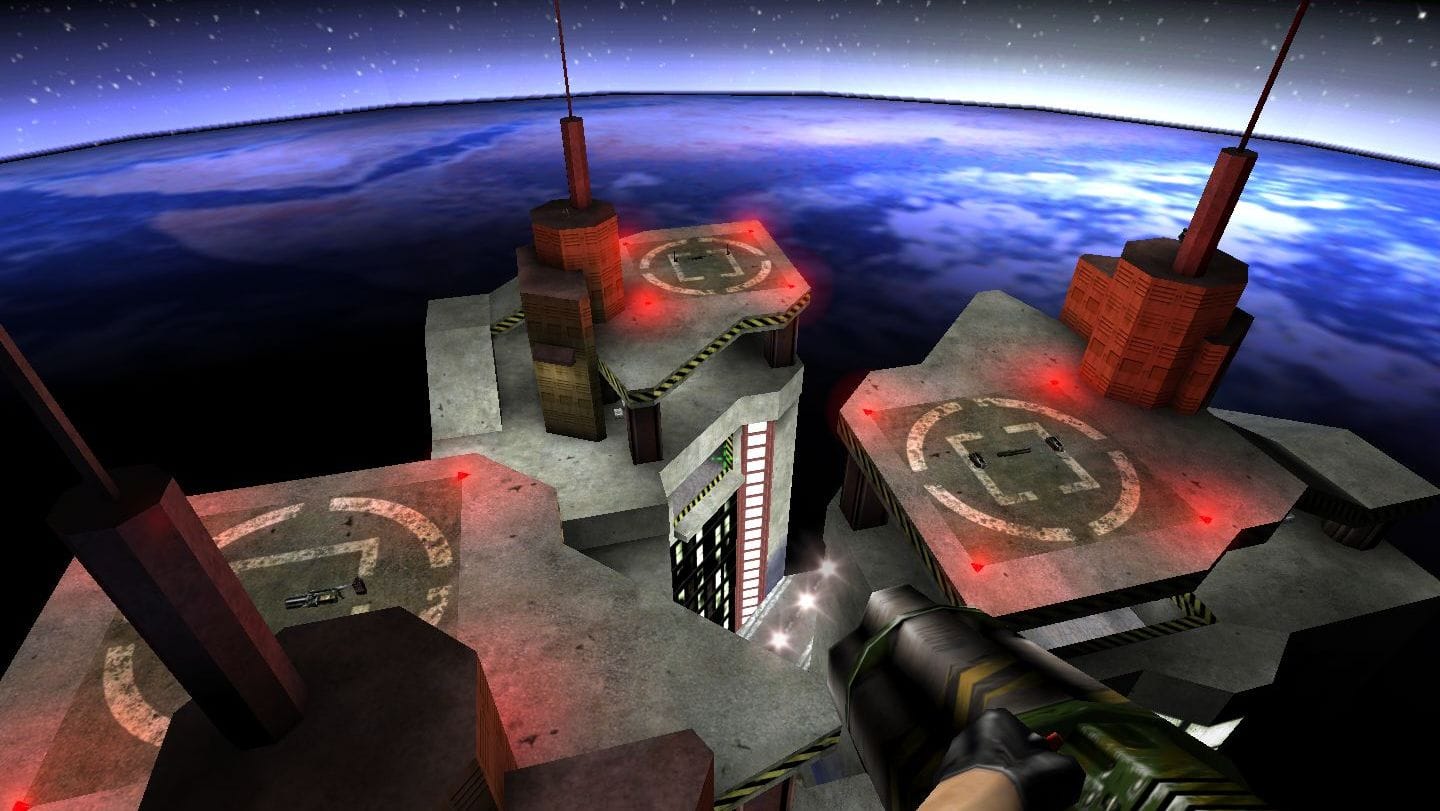
Graham: Unreal Tournament was a great game, but decades after its release there was still a contingent of hundreds playing its demo everyday. That's because that demo included Morpheus, a deathmatch map split across two multi-storey car packs with a narrow street and jump pads in between. It sounds - and today, looks - dull, but flip on a low gravity mutator (and perhaps instagib) and the space came alive, supporting frantic firefights in the guts of the buildings and impossible leaps between high rises like Neo from (the newly released, at the time) The Matrix.
No Mercy - Left 4 Dead
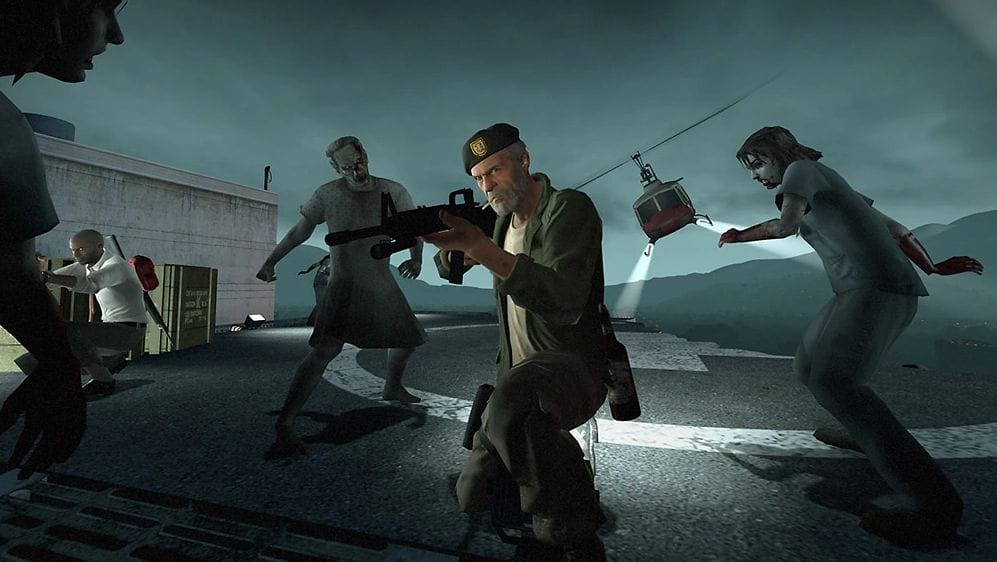
Brendan: Gather round, all who know the sad bullet-loading sigh of resignation that comes when you find a Witch sobbing in a narrow corridor in Mercy Hospital. There is no getting around this. The co-op shooter's first campaign brings you through the requisite sewers and subways of any videogame, every now and then offering a glimpse at the beaming spotlights atop Mercy Hospital in the city's skyline. Yet while the open streets offer good sightlines for gunning down the freakish hordes who assail you. Mercy Hospital, not so much.
When you finally reach the hospital itself, the climb through its innards is a brute. Corridors become quickly flooded with zombies. Vomity boomers hide in narrow doorways. Tanks take up the whole width of a hallway and walls break down around you. In other levels, you get split up from allies across large spaces. Here, you could be in the very next room, pinned down and completely helpless. When you reach the rooftops things open up. And by that I mean they open up to the sky, and you will get whacked off the ledge. All my favourite memories of last stands and tragic getaways in Left 4 Dead are centred on firing the minigun on No Mercy's helipad. I have abandoned so many friends here. Sorry, guys.
Gold Rush - Team Fortress 2
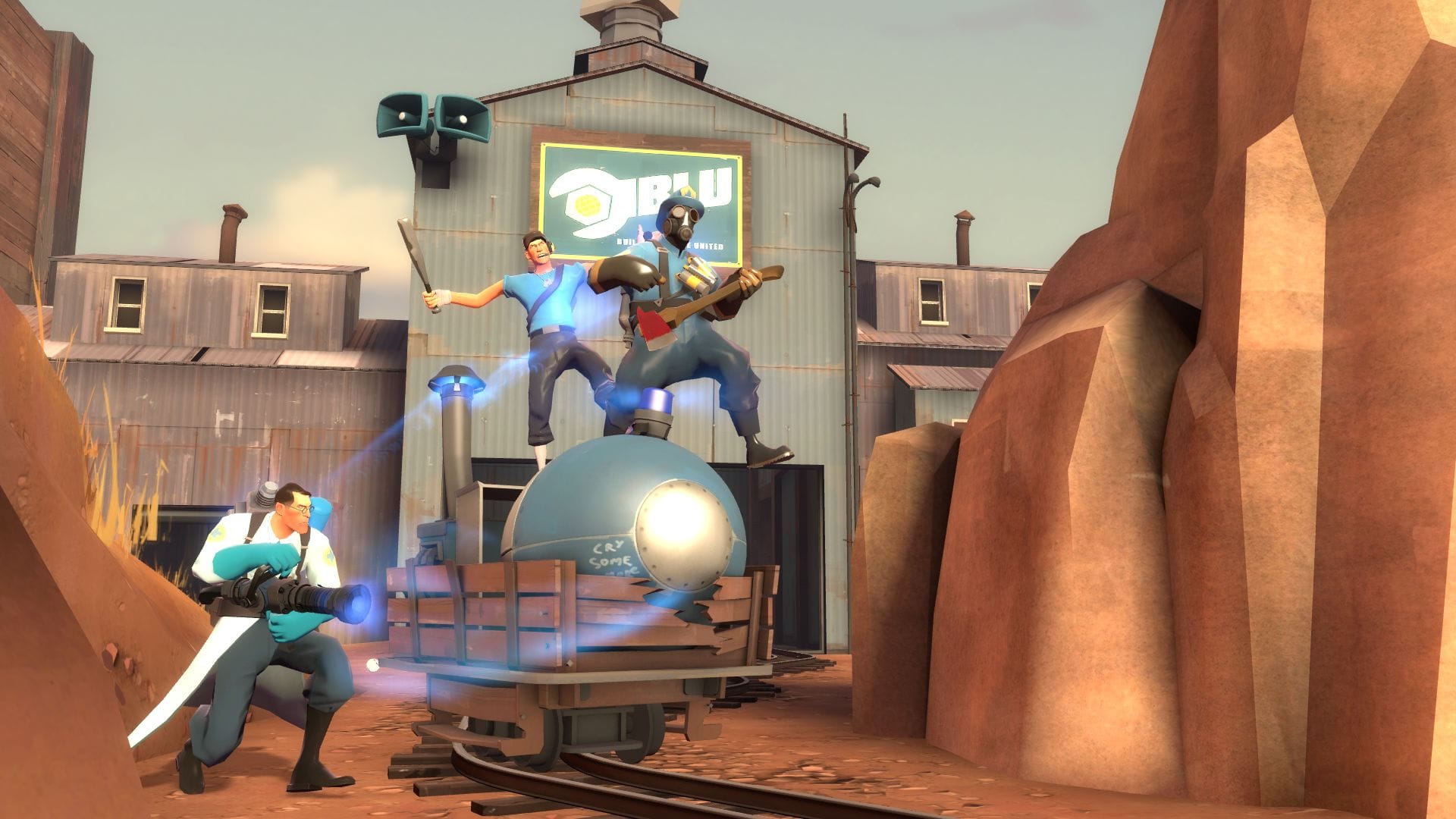
Graham: Payload mode, in which Red and Blue compete to push and pull an explosive cart through a level, was the moment where Team Fortress 2 switched from being a game I enjoyed to an obsession. Gold Rush was a big part of the reason why. The three-stage map features a mix of tight, indoor spaces and open stretches that miraculously manage to feel fairly balanced for both teams and simultaneously unfairly balanced for all nine of Team Fortress 2's classes, such that every player gets to feel as if they're getting one over on everyone else. I have had glorious games on Gold Rush, as Sniper and Spy and Pyro and everyone else, in ways no other map managed.
Zanzibar - Halo 2
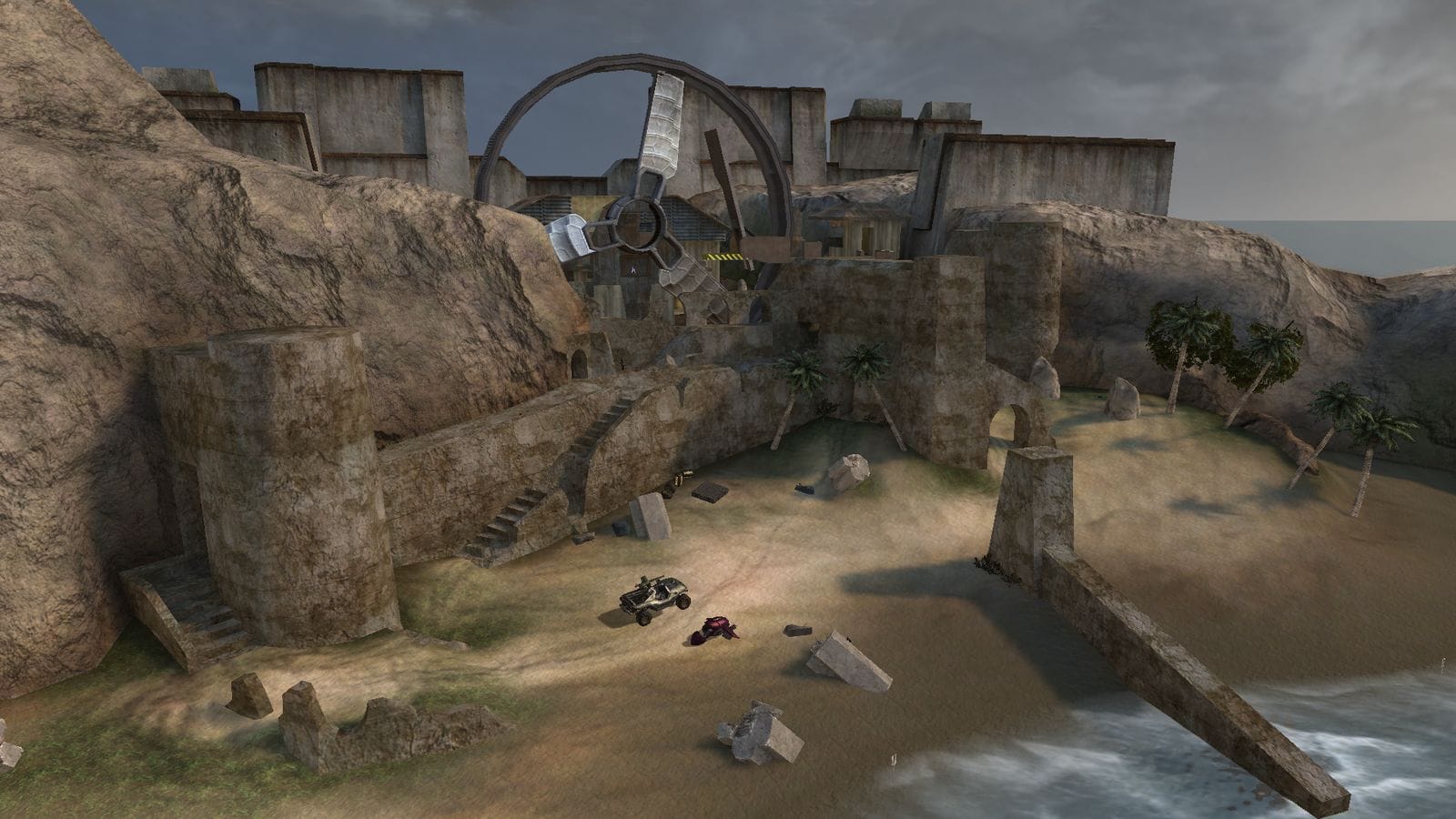
Brendan: It is a deadly task to choose my favourite multiplayer level of Halo 2. The old sci-fi shooter is to me what Counter-Strike is to normal PC gamers. Lockout is purity, a confined work of open-top brutalism where every trip in the gravity elevator is a gamble on your skull's integrity. Containment and Waterworks offer the scale needed for brutal tank-on-tank warfare. But it is Zanzibar where my heart lies, bloodied and exposed in the wet sand.
This asymmetrical map is designed for mini flag capturing dramas from a bunch of angles. Attackers can open the compound's side gates if they can get inside and push a button. A big fan slowly spins in the middle of map, periodically interrupting sightlines or foiling getaways when the blades pass at just the right/wrong moment. There are snipey hotspots everywhere, stealth camos in just the right place, a shiny panel that lowers a clanky drawbridge when you shoot it. When most shooters of era were content to focus on tight geometry, Zanzibar went one step further. It feels like a physical place full of fatal toys.
Wake Island - Battlefield 1942
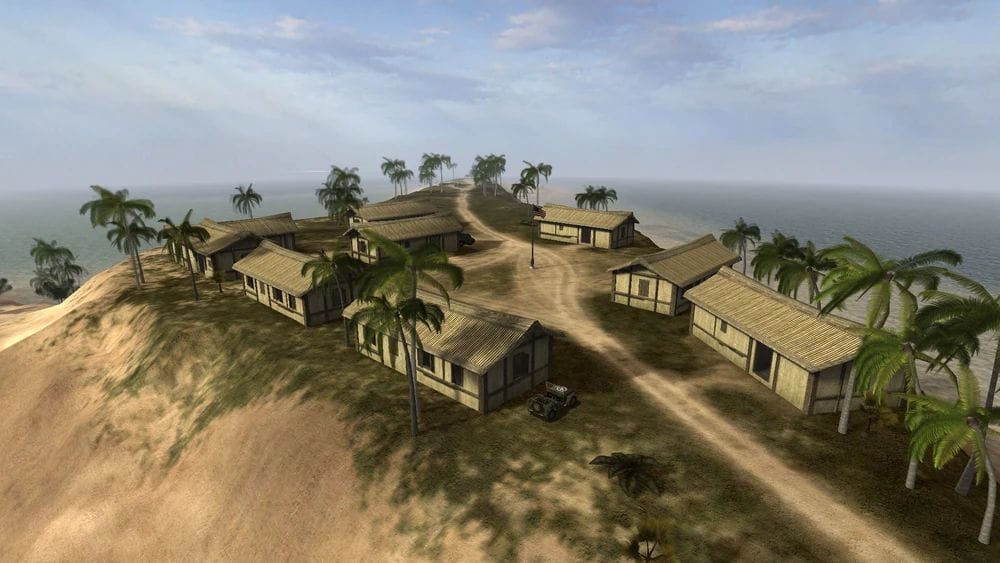
Graham: In another game, Wake Island might be a terrible map: a horseshoe-shaped corridor of land to tug and war across in an endless stalemate. This makes it the perfect level to highlight everything that made Battlefield 1942 special upon its release, which in order were: jeeps, boats, and planes. Each of these vehicles provides a way to navigate the horseshoe that punctures the stalemate, allowing for overwhelming frontal assaults, bombing runs, and daring beach landings behind enemy lines. Even if you can't remember the excitement of the first time you climbed inside a vehicle in a first-person multiplayer game, Wake Island holds up in later games in the series as a distillation of Battlefield's maximalist combat.
The 350 maps of Straftat
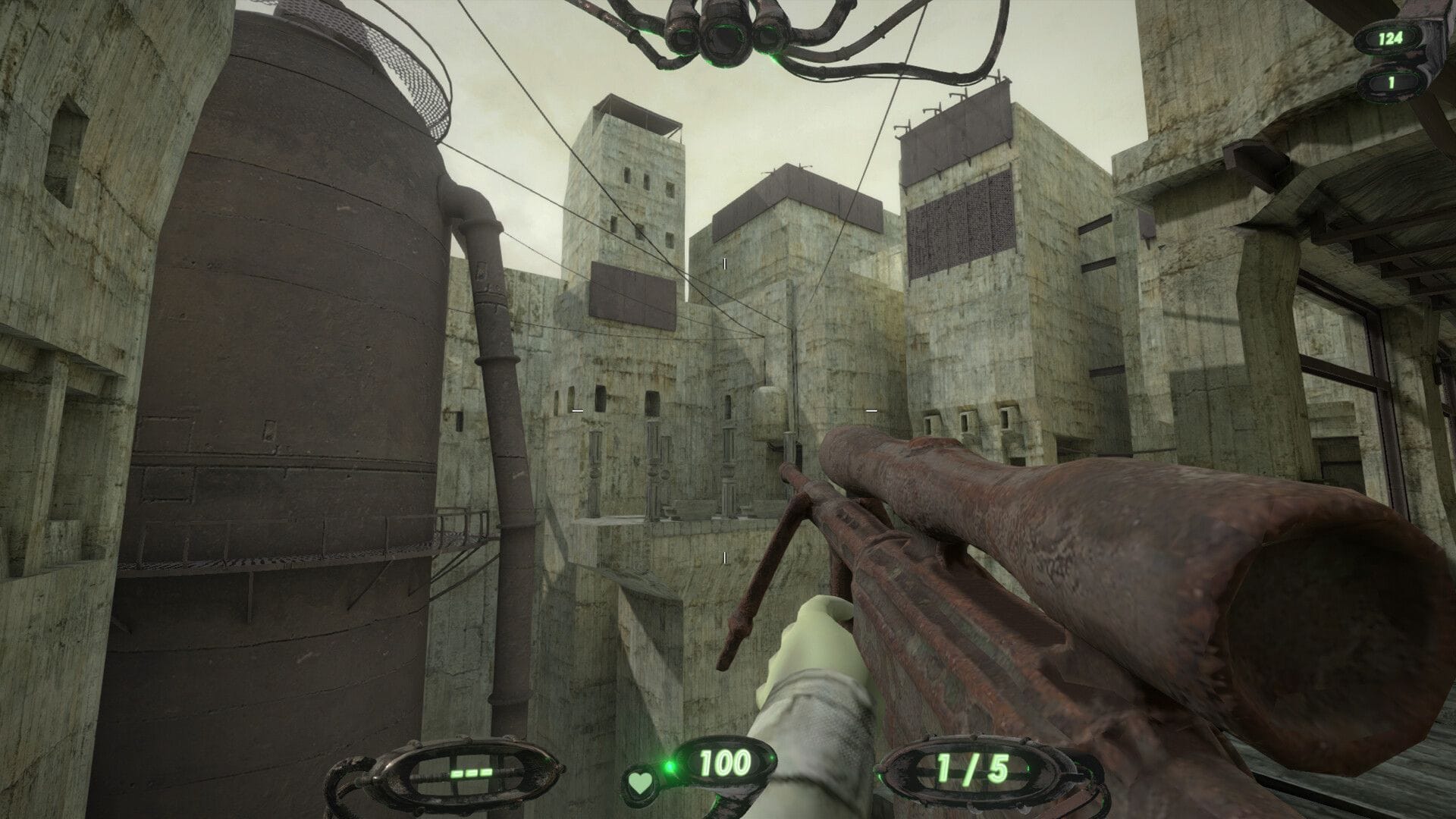
Brendan: Is this cheating? Who cares. I can't pick a single blood-spattered arena from 1v1 slide 'n' shoot Straftat, because that is not what this game is about. By the time you have thought about one map, the next map is already starting. Straftat's beauty is in its pacey, no blinks allowed gun fights, and this philosophy extends to the playlist of levels which you and your opponent rapidly trot through one after another. It is basically a playable thesis on a supposedly dead artform - the arena shooter map. It epitomises a dream games industry job from the late 1990s and early 2000s - that of the person who builds good hell out of blocks. I cannot choose one multiplayer shooter map from Straftat, because Sraftat IS multiplayer shooter maps.
Gulf of Oman - Battlefield 2
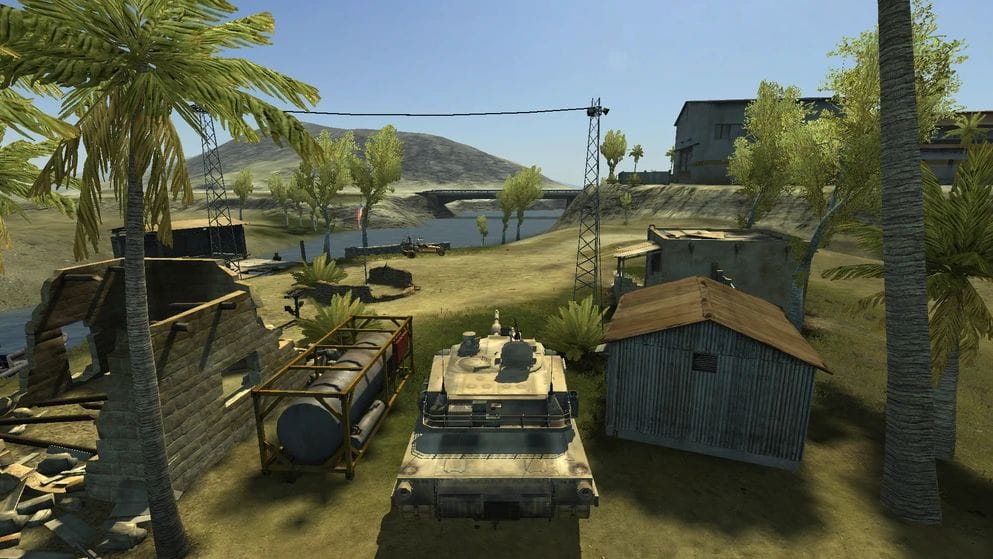
Graham: Long before battle royale modes made hiding in a bush for twenty minutes a valid player strategy, Battlefield's Gulf Of Oman pointed to a future for multiplayer shooters that was about more than non-stop combat. That was in part because of the Commander role, where one player could see the map in overview and deploy resources and issue orders, but it was also inherent in Gulf Of Oman's design, which lay landmarks - the crane, the train tracks, the town, and so on - across an expanse so large that you couldn't easily travel between them even in vehicles, and defending one patch meant lying prone for minutes at a time without ever seeing an enemy player. Multiplayer games as hangout spaces is a familiar idea today, but some of my fondest multiplayer memories involve lying atop a gas tower in Gulf Of Oman, shooting the shit with a friend, and shooting nothing with our guns.
Seoul - The Finals
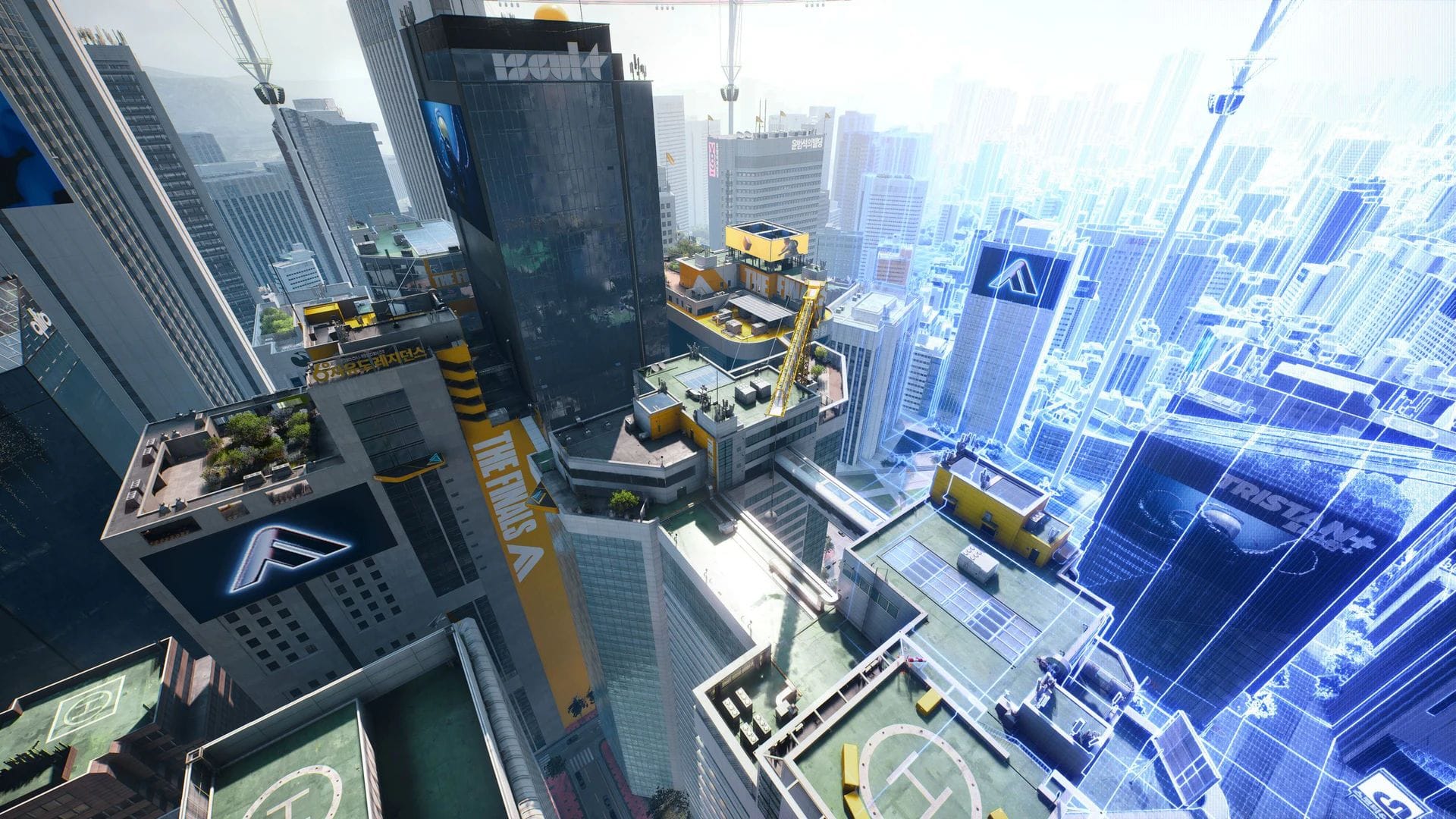
Graham: The glory of all The Finals levels is that you can destroy them, smashing your way through floors and ceilings to forge your own paths through their geometry. Seoul is the map that exemplifies that best, taking place as it does across the rooftops and upper floors of several highrise buildings. Ziplining and jump-padding between buildings recaptures something of the Quake 3 glory days, but the standout is a sky bridge between two buildings with walls and a ceiling made of glass. You can smash this to bits from every direction, of course, and eventually sending it tumbling to the ground far below, along with any unfortunate players who happen to be on it at the time.
Katabatic - Tribes 2
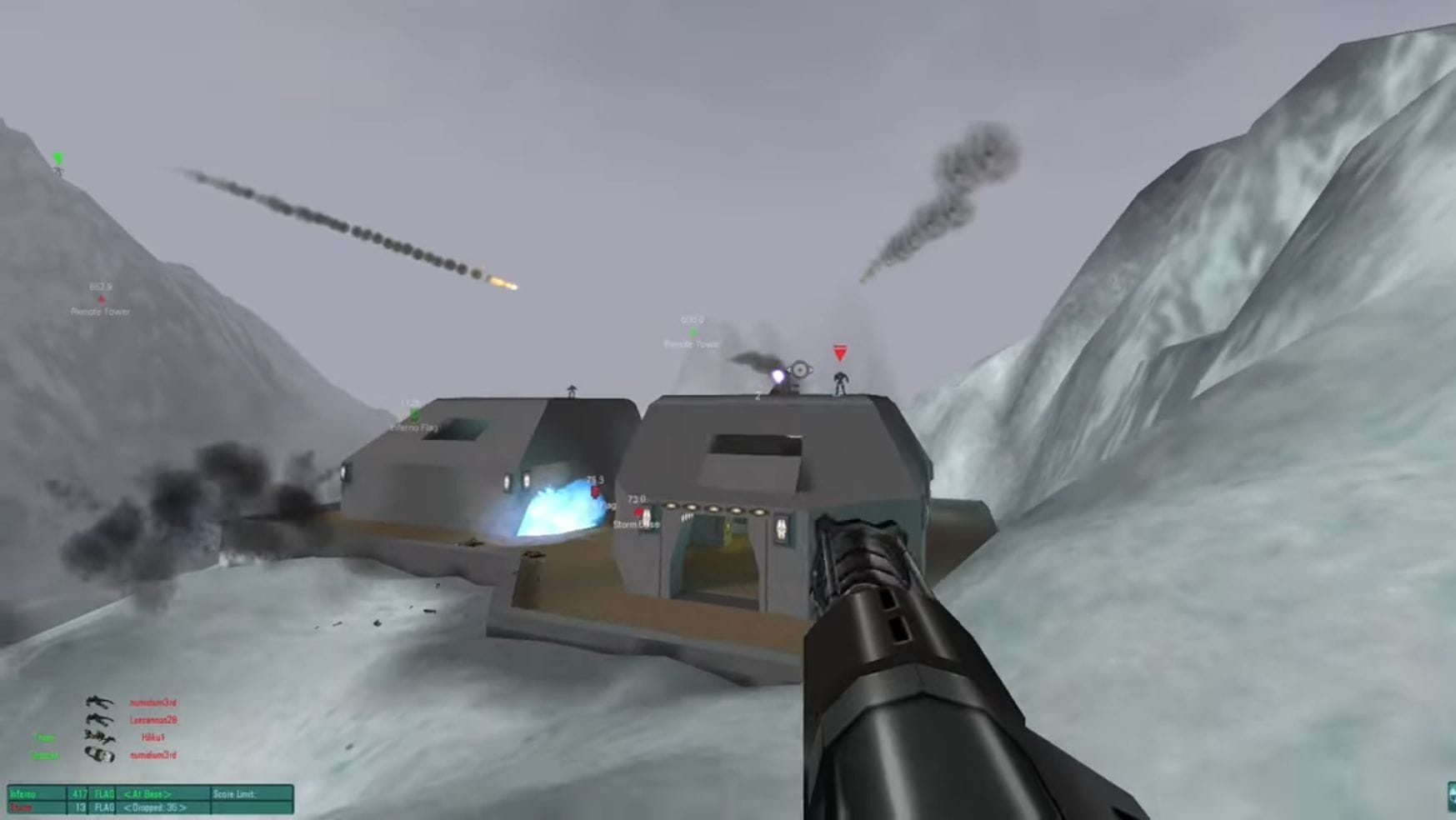
Graham: The Tribes series specialises in large outdoor spaces, many levels of which struggle to establish their own identity. Katabatic is different. Its snow-covered mountains and thick fog give it easy atmosphere as you guard a flag or power station and look for enemies emerging from the mist. It's also the best level to fly a Shrike through, whether you're using the mountains to hide your approach and nipping between peaks, or flying straight up the long, flat valley, imagining yourself on the Star Wars trench run. Katabatic was so popular that it was revived for later Tribes games, but Tribes 2's flexible class system and deeper bench of vehicle types made the best of use of its scale and extremes of altitude.
Brendan: Lists are silly. If you ask me in six months time what my favourite multiplayer FPS levels are, I will very likely present you with a completely different bunch of choices: Blood Gulch from Halo, that office level from Soldier of Fortune, Galencourt from Chivalry 2. But this is the end of the article, which means I have to shut up and listen to you, Jank reader. Because I've heard you have opinions about all this.
So go on then, let us know what multiplayer FPS maps make your thumbs twitch with delight. I have one rule: you can't pick de_dust.



Comments ()