
Let us discover a new world
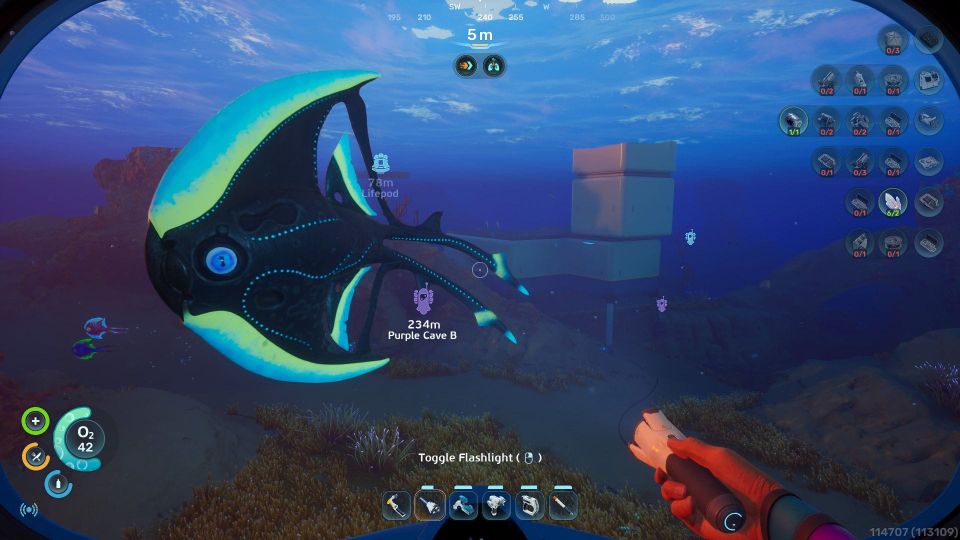
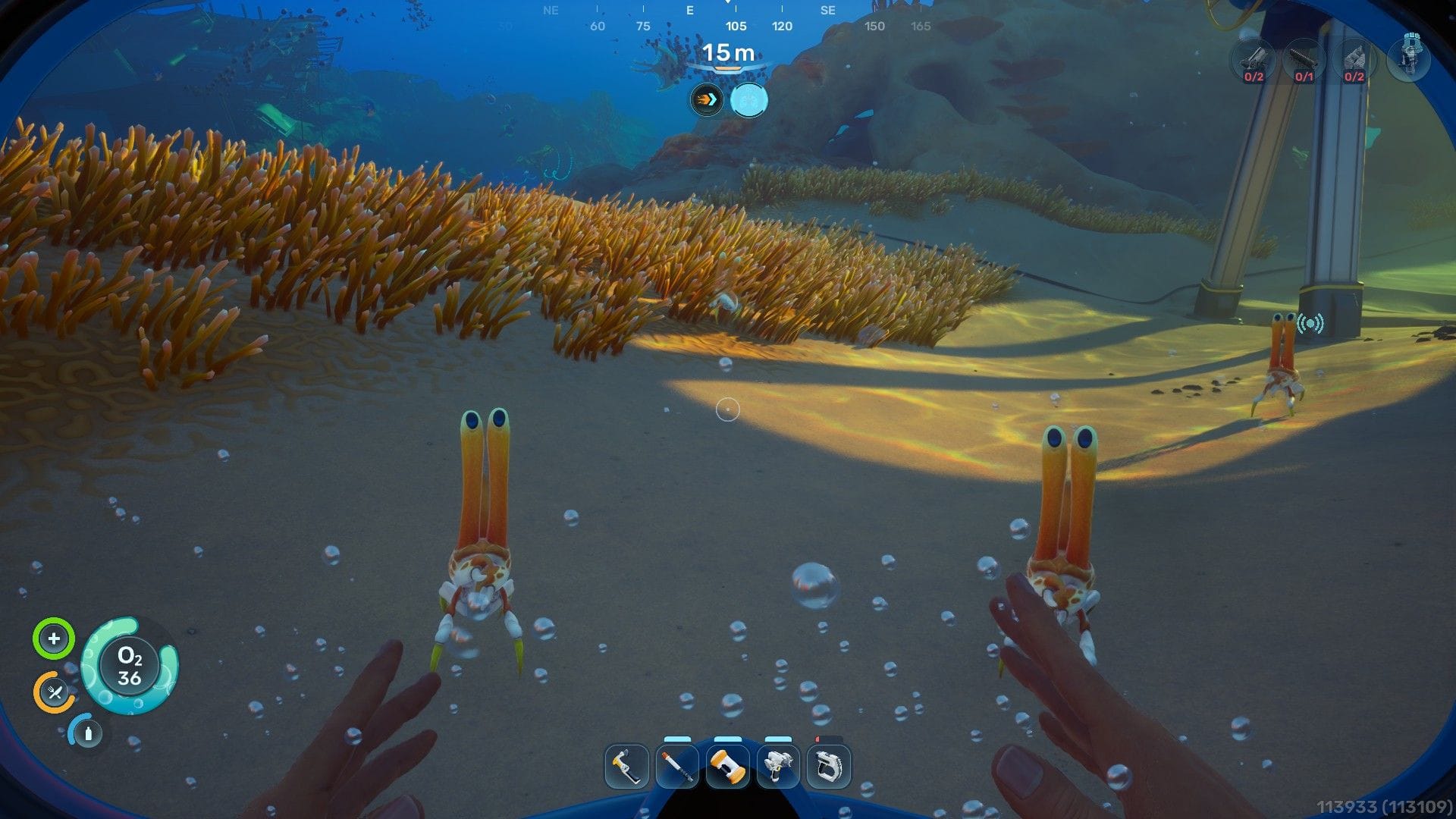
I have discovered a crab that cuts off its own eyes. It was a small moment in the warm waters of Subnautica 2, but it reminded me why I loved the first game so much. This crab has regenerating eyestalks that mimic the anemones of the seabed. "If the stalks grow too long," says a lore blurb about the critter, "the clowncrab will trim them to avoid drawing attention." Every animal has a note like this, earned when you scan them - a growing encyclopedia the player is encouraged to build to help discover the world around them.
In a fluffy way, every game is about discovery - you are finding out the rules of a world as you go along. In a non-fluffy way, some games are shit at this, and others are masterful. Inspired by a single crab, I've spoken to a handful of devs on this topic. How do the makers of Spelunky, Mina The Hollower, Citizen Sleeper, and Moves Of The Diamond Hand make sure their worlds are worth discovering? And do I reckon Subnautica 2 has hit the mark?
"The best thing a game can do to create a sense of discovery is let you feel lost," says Derek Yu, creator of the Spelunky games. "That's the prerequisite for discovery, in my opinion. The more you know going in, the less there is to discover. Feeling lost leads to wonder, and wonder leads to discovery."
"The environments that I most want to explore feel like they're just 'there' and I'm a stranger to them. As the player, I'm not the focus of the world. They're exciting and dangerous to me and the dangers aren't telegraphed for my benefit. I have to genuinely engage with the world to understand how it works."
That'll be why Spelunky 2 dumps you in a cave full of weird objects and lets you discover for yourself what is a treasure and what is a trap (sometimes treasure is the trap). Subnautica and its sequels do the same thing, insofar as you can observe animal behaviour or environmental wackiness and figure the hazards out as you go along. But it also gives you a tool for finding out facts the "easy" way.
The scanner clues you in to subtleties of animal behaviour or a mineral's mysterious meaning. It's both lore delivery vehicle and hint system, somewhere between the translator gizmo of Outer Wilds and the chatty heart in Dishonored. This optional hunting down of research notes cultivates optimistic discovery in an environment that often inspires dread, pressure, and panic. But it's still not really your own research. You are unlocking the Wikipedia entries of other, previous explorers. Instead of reading about a crab that cuts off its own eyes, it might have felt more like a discovery if I'd actually witnessed the crab performing this action and wondered: why?
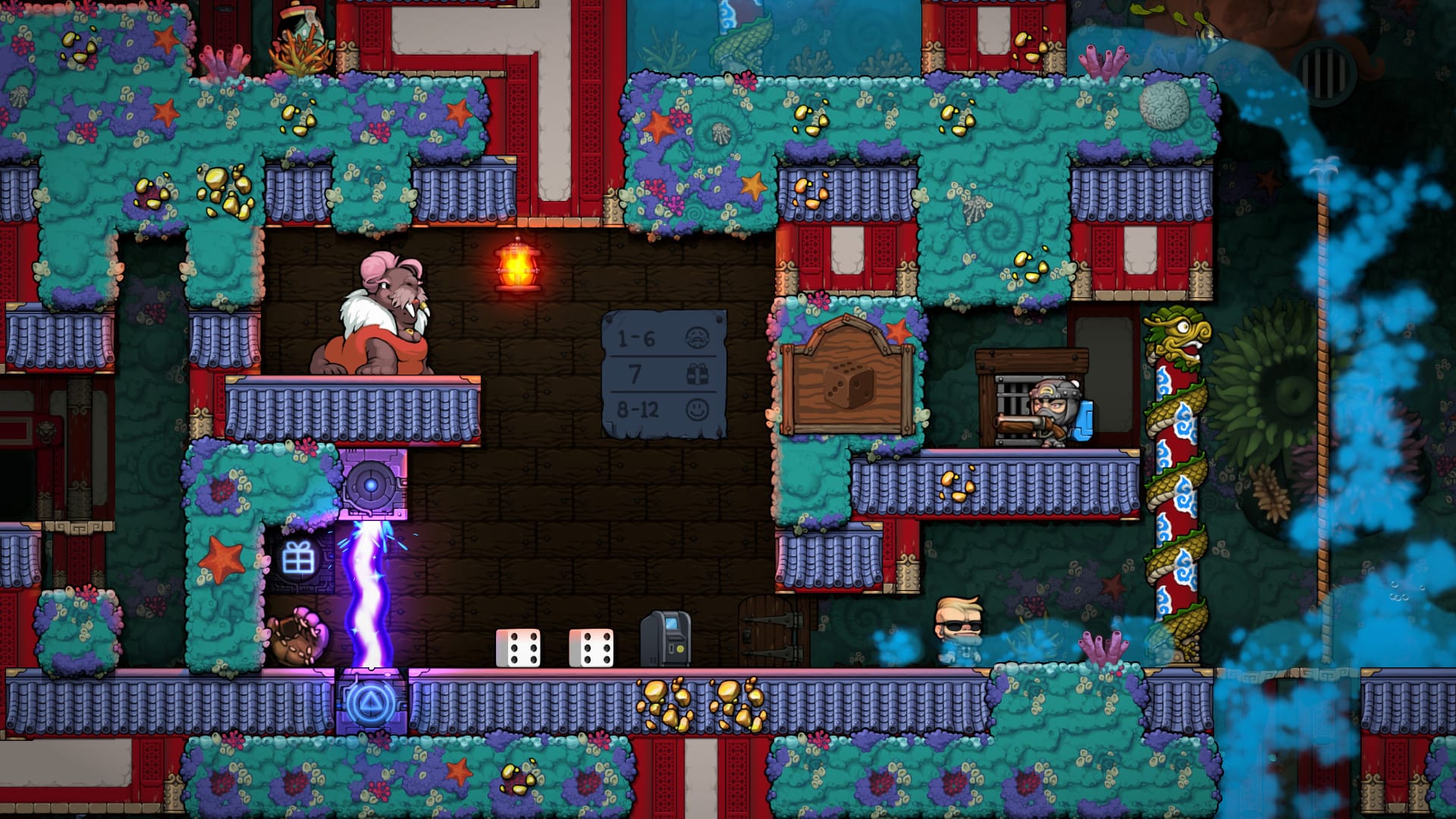
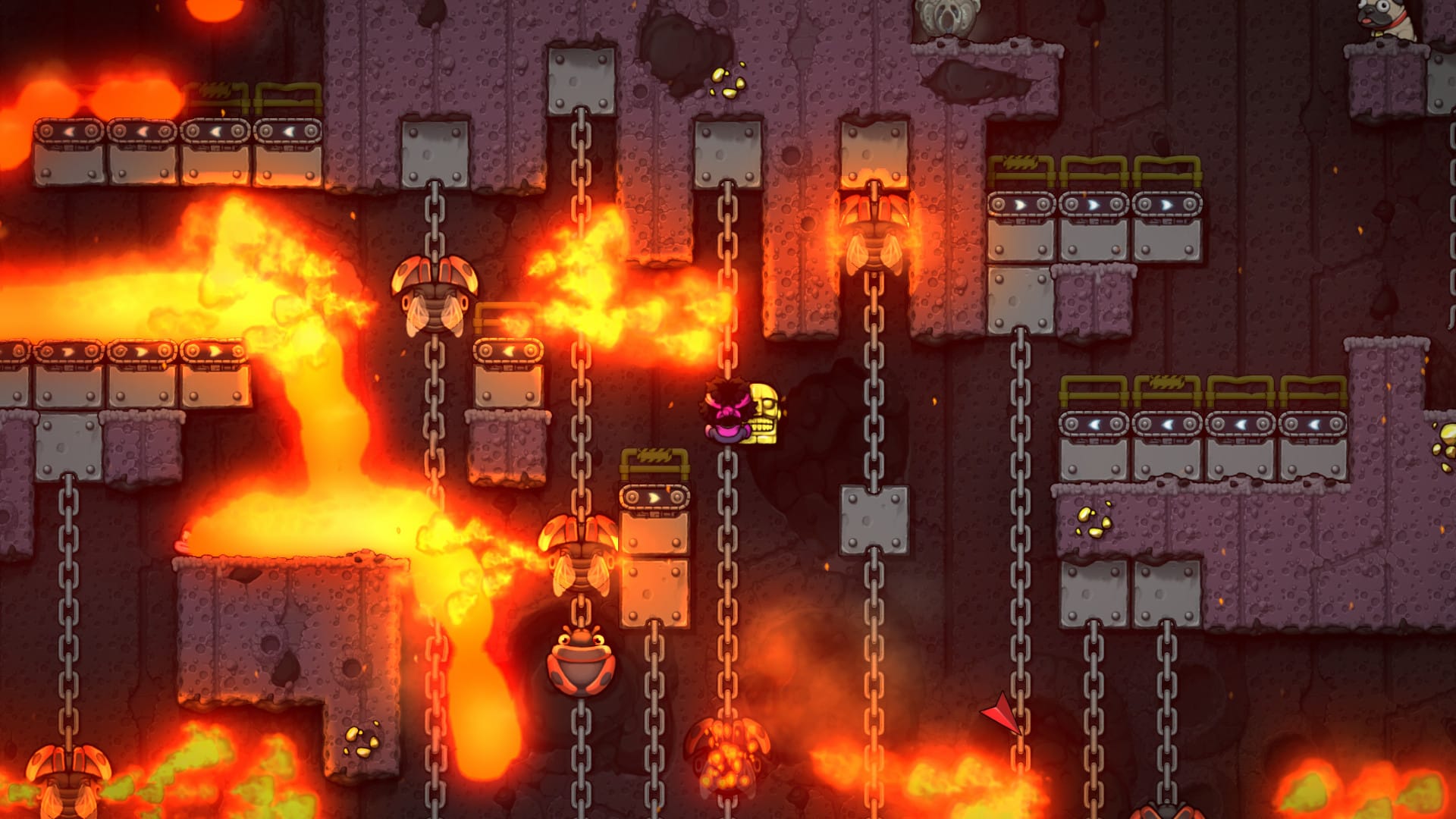
In Spelunky 2 I mostly just discover how bad I am at jumping small gaps.
"Discovery requires you to craft it, to be generous and trusting of the player, and to imagine them as curious and engaged," says Gareth Damian Martin, writer and designer of Citizen Sleeper and upcoming fugalpunk RPG Signet City. "Conversely, games destroy any sense of discovery when they are paranoid, thinking of the player as distracted, unwilling to explore, untrustworthy."
Martin is a fellow liker of subaquatic sci-fi, their early game In Other Waters shares a watery castaway theme. But it's far from a first-person perspective, instead relegating you to a distant and computerised cartographic viewpoint. Retaining trust in the player meant letting them struggle even with how that futuristic user interface works.
"I could have simply told them, but this would have foreclosed the mystery of the game, set the player up in the wrong state of mind to discover the world. Instead I let them flounder, something that will always turn off a certain number of players. It's scary to do as a designer, but the payoff is worth it. For me it sets up the right contract with the player, an agreement that I will be asking them to fill in the gaps, to interpret and make leaps.
"I think it's so easy to eliminate discovery in a game because you are scared of your players... I think it's actually quite a prevalent trait in games now, a fear of the player getting bored, of not knowing what's next, of not immediately seeing a solution. To me that kills discovery."
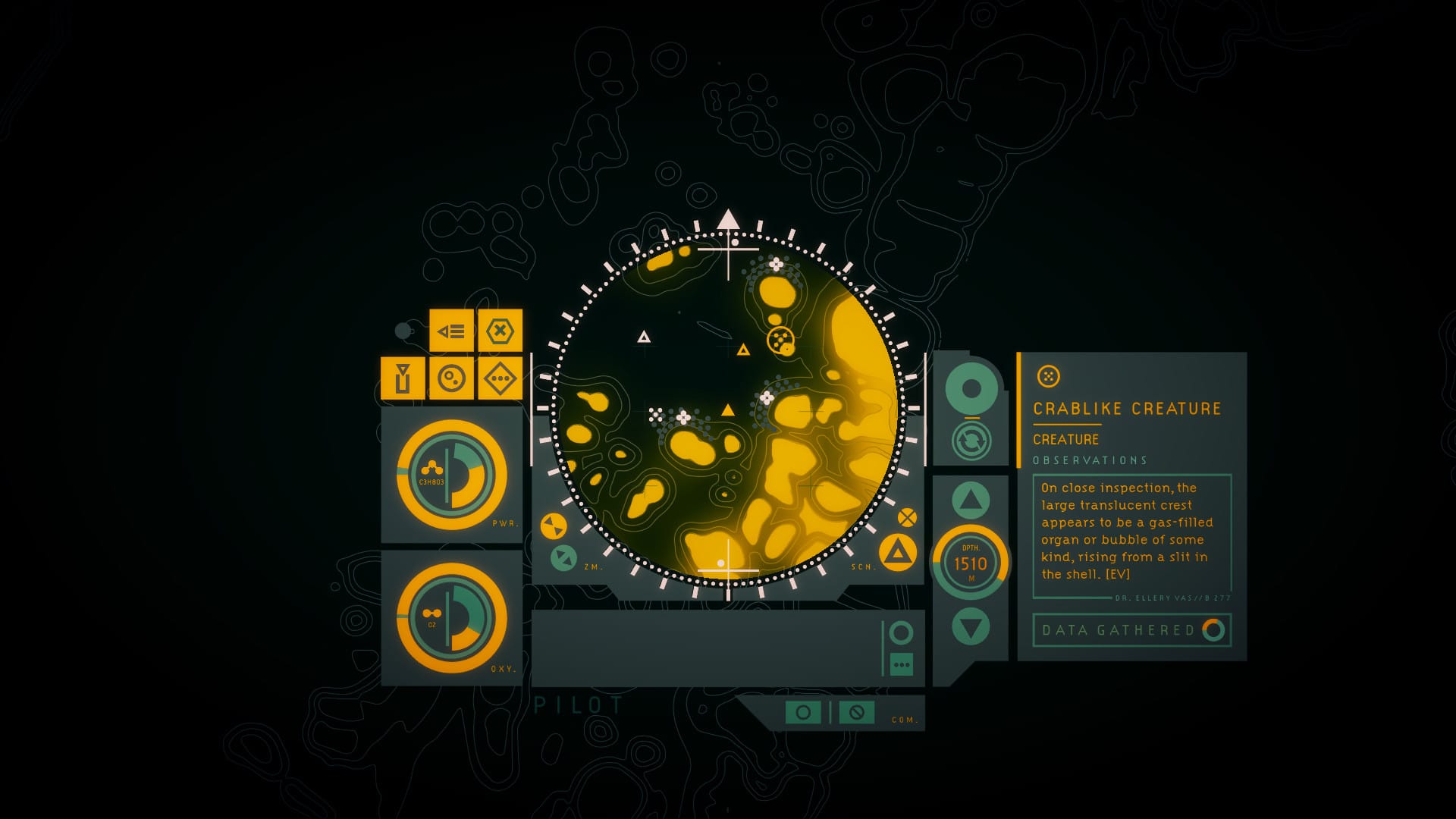
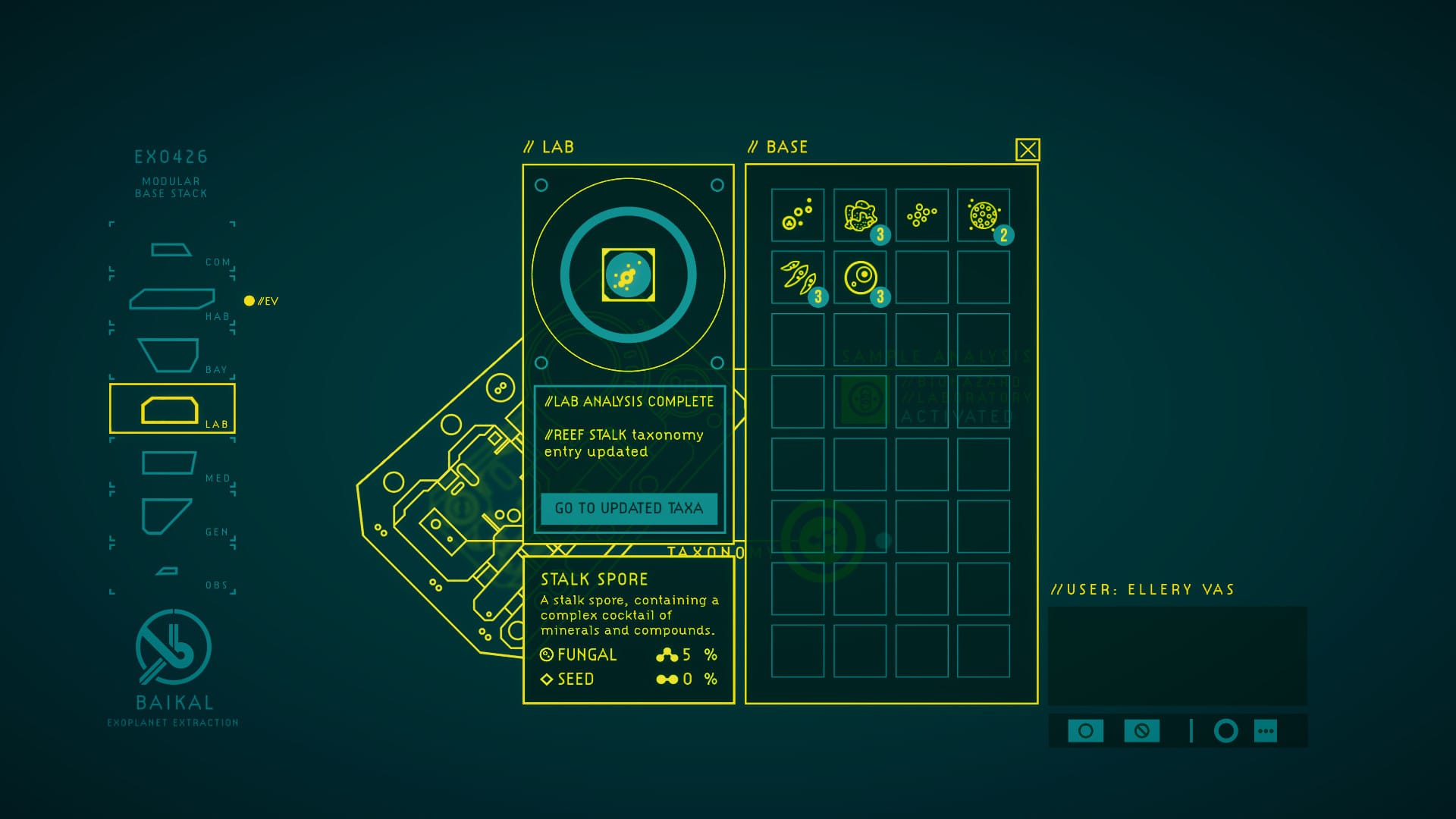
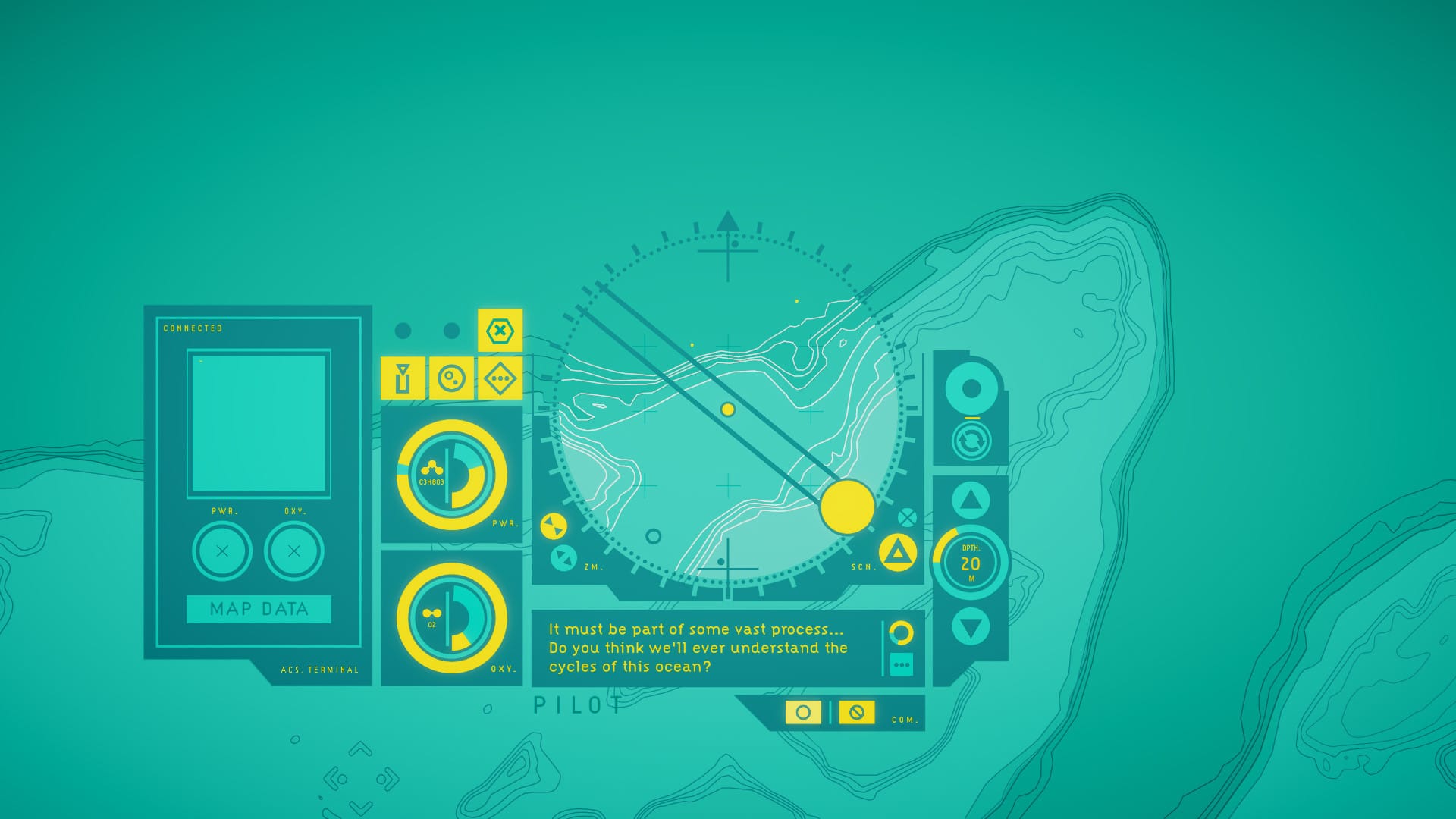
Discovery can also mean learning to read a screen.
This is probably why myself and others are mildly bothered by Subnautica 2's waypoints and handholdy audio diaries, less a breadcrumb trail this time and more a billboard. I only feel like a new fish or abandoned outpost is MY find if I have either stumbled across it on my own wanderings, or taken a guess that there's something significant in a general direction and my gut proves correct. My discoveries are still interesting enough that I keep playing with a smile, but they don't have the same weight as when I first swim-meandered into Lost River and swam between the enormous ribs of a long dead being. At least, not so far.
"In an open space, offering landmarks, or places out of reach, invites the desire to know how to get there," says Cosmo D, the creator of first-person RPGs set in Off-Peak City. "And along the way, I find all these other cool unexpected pathways that set me in unexpected directions... Open fields, intricately laid out castles, buildings which feel real or don't come off as deliberately 'game-y'." These are the things that make a world worth discovering.
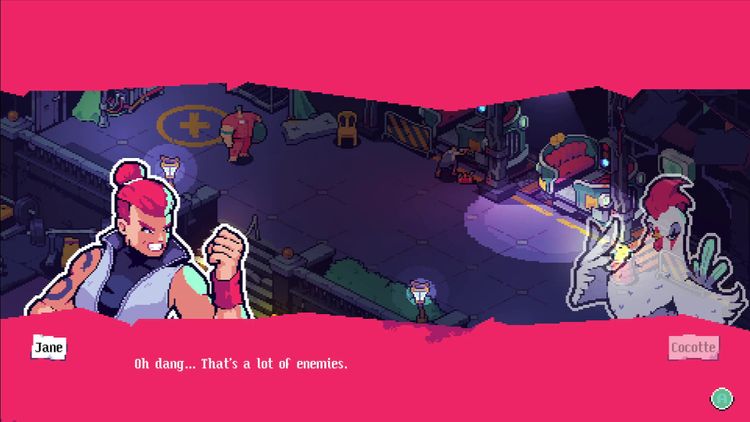
To take one Off-Peak adventure as an example, Moves Of The Diamond Hand is very much an urban wander 'em up where the joy of exploration would instantly evaporate if you got a waypoint to follow. No surprise here that Cosmo D agrees with the other devs - you kill discovery when you mollycoddle the player.
"Map markers, UI indicators for where to go, deliberate linearity in the level design," he says. "That shifts a player's expectation of what they're entrusted to do, and how much the game wants them to just follow the steps."
A game with zero feeling of discovery is immediately recognisable to him: "Compass points and quest markers galore and NPCs giving you clues all the time."
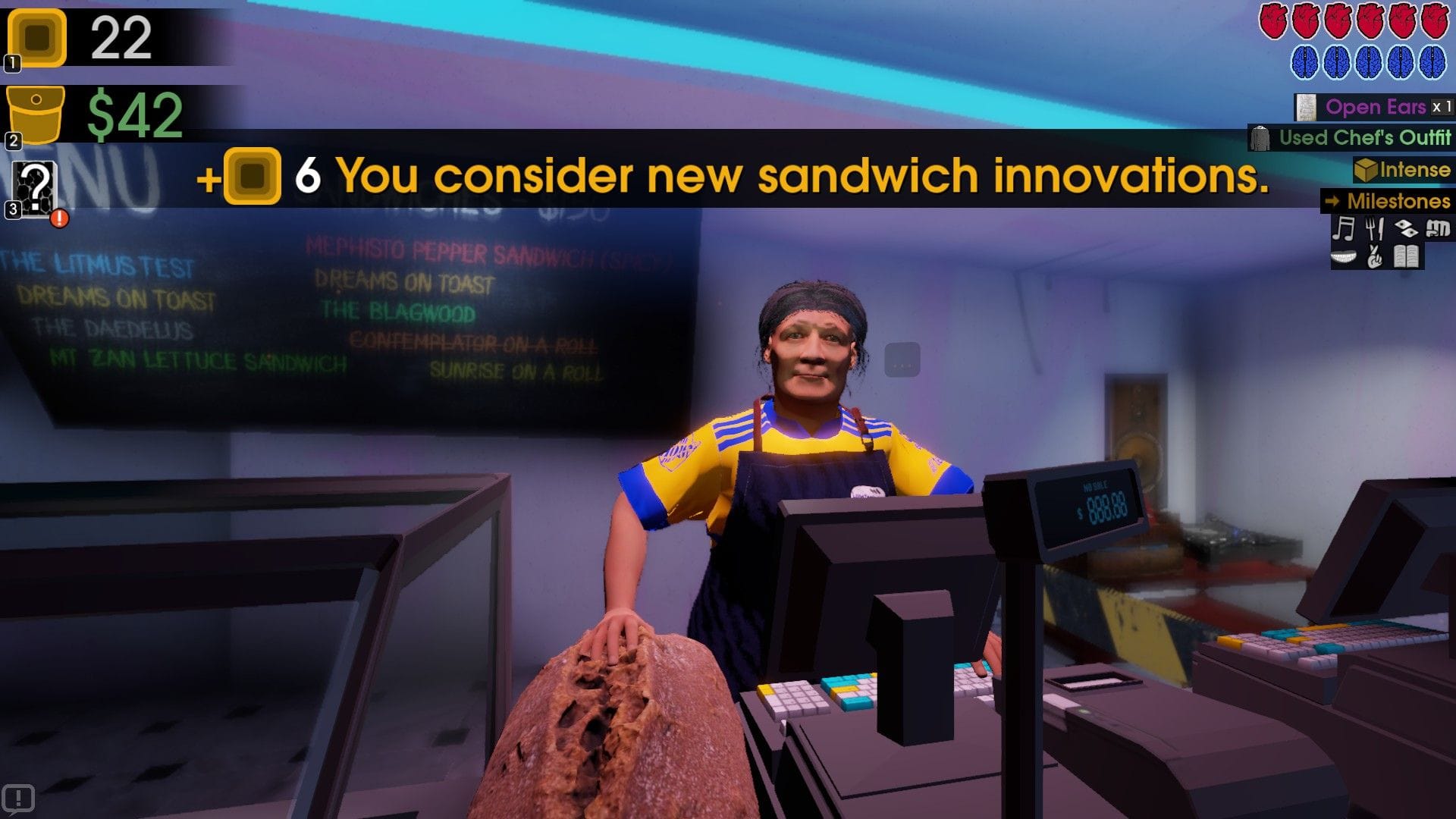
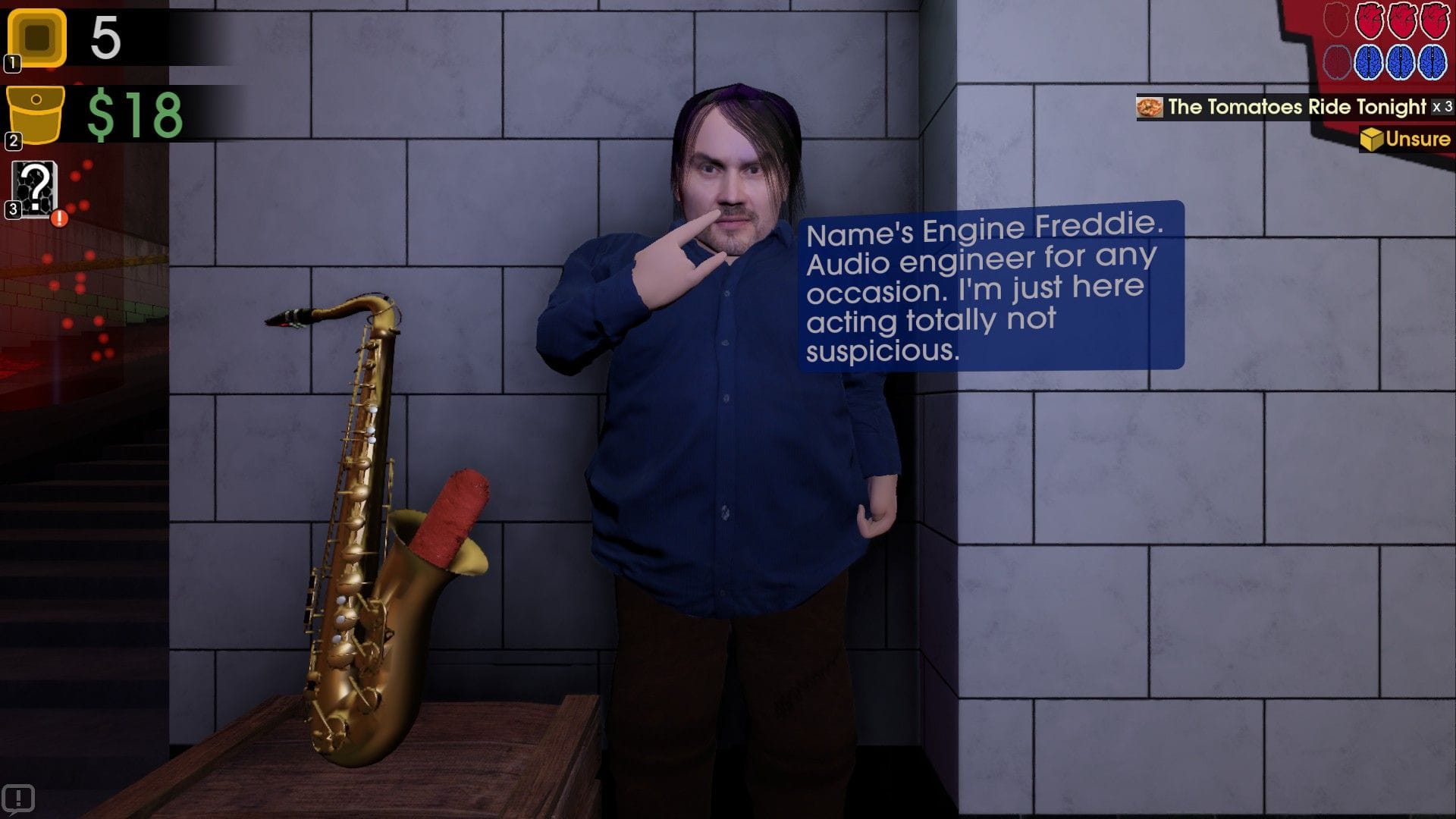
As you can see, NPCs are better put to use teaching you sandwich skills or making you feel uncomfortable in a subway station.
Novelty has its own part to play when it comes to making sure your players feel like they are revealing a whole new world. I cannot resist Subnautica 2, because it is essentially more of the best survival game ever made. But with that comes familiarity, and the feeling that it has launched safely and smoothly into the tropical shallows of its own proven design - a zone of little risk. When a game is centred around evoking discovery amid danger, some of that discovery becomes muted if you've already swum around in depths not so different to these.
"A lot of open-world games lose their sense of discovery once you've seen each component one time, because they are built in a very modular way," says Sean Velasco of Yacht Club Games.. "Once you've seen one mission type, the similar one's boring! Once you've collected one mushroom, collecting the next mushroom isn't discovery. Once you've cleared one ninja hideout camp, clearing the next one isn't discovery. You finish one loop of the game and you're done seeing everything new within the first hour, the sense of discovery is gone. At that point, you may as well quit, if you're seeking novelty."
Velasco's studio has just released Mina The Hollower, the topdown retro action game that is currently earning all sorts of coos from anyone who craves interconnected level design and tough boss battles. It is the biggest game yet from the Shovel Knight developers. I have died a significant number of times and I have yet to reveal even a quarter of the game's world. But discovery isn't just rooted in the sights you see and the people you meet, says Velasco. In games, it's also about the things you'll do.
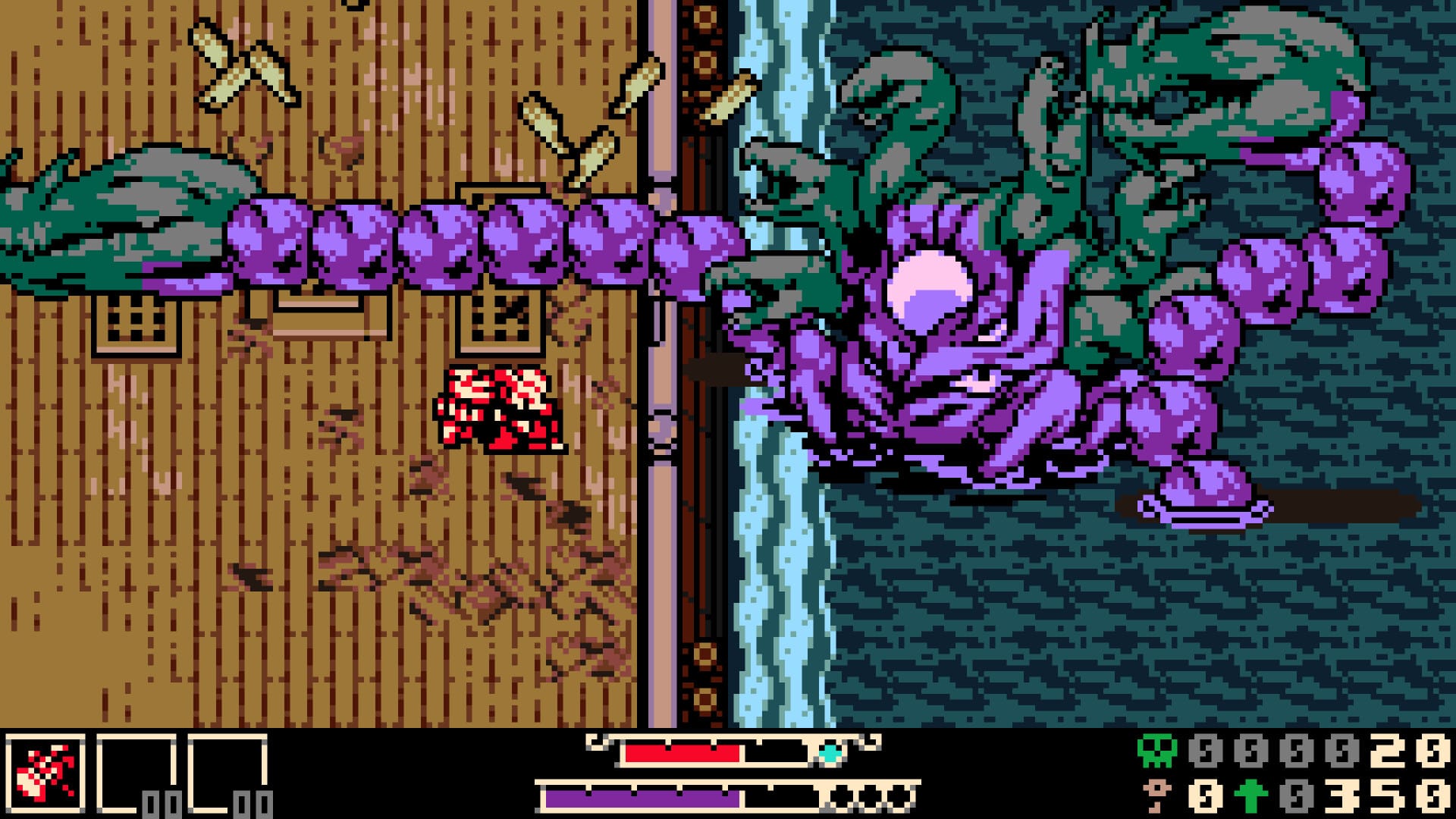
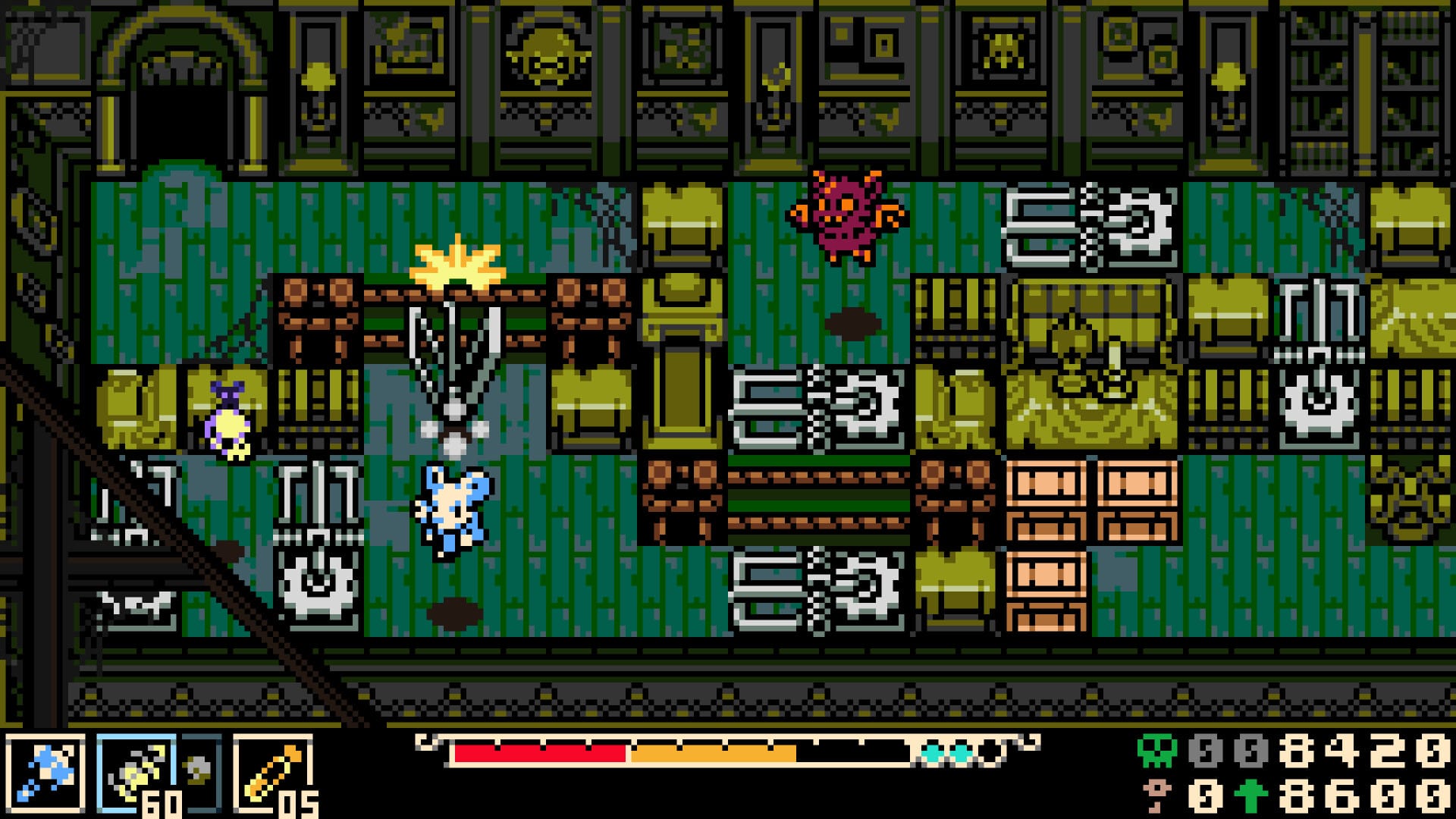
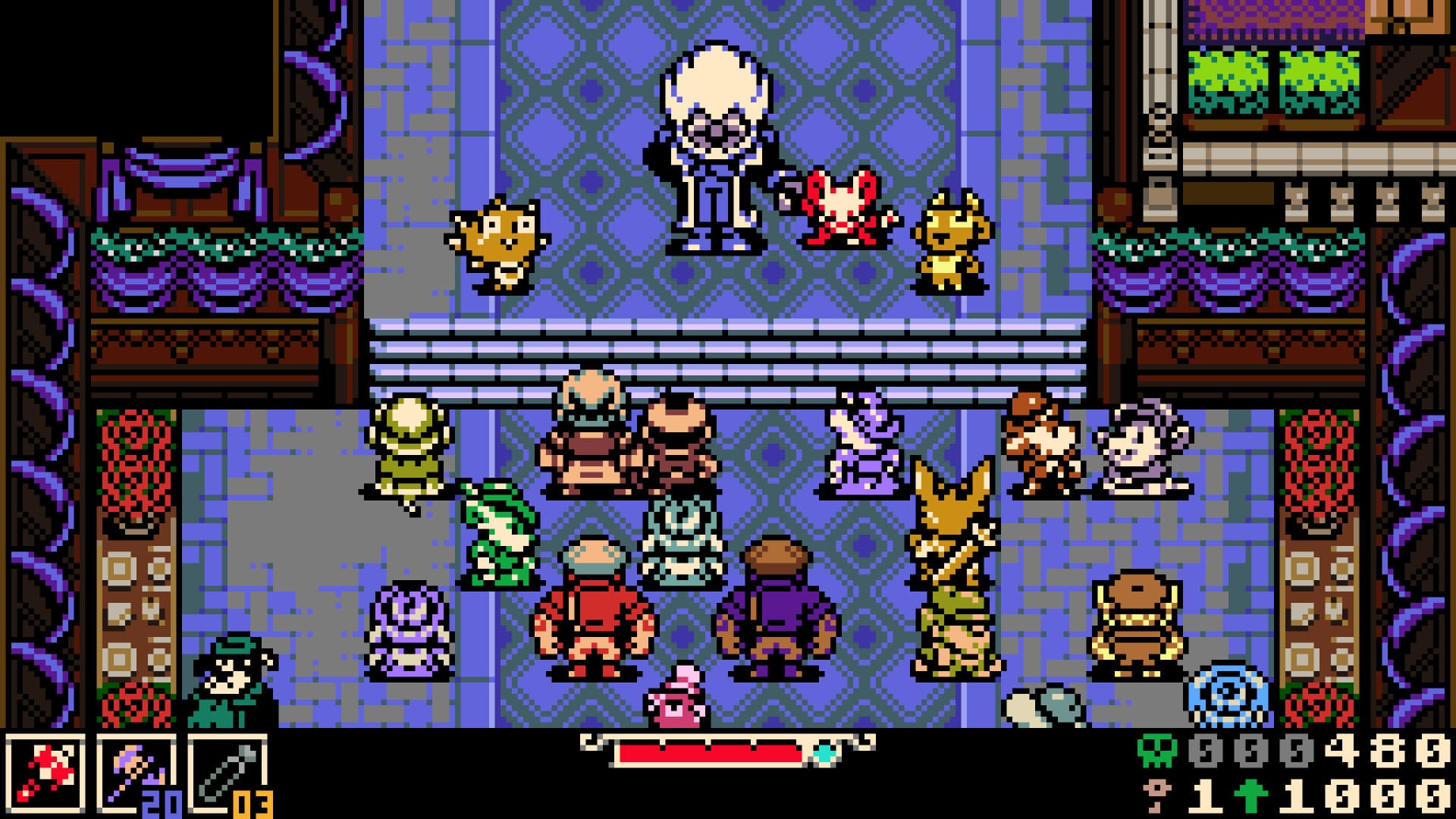
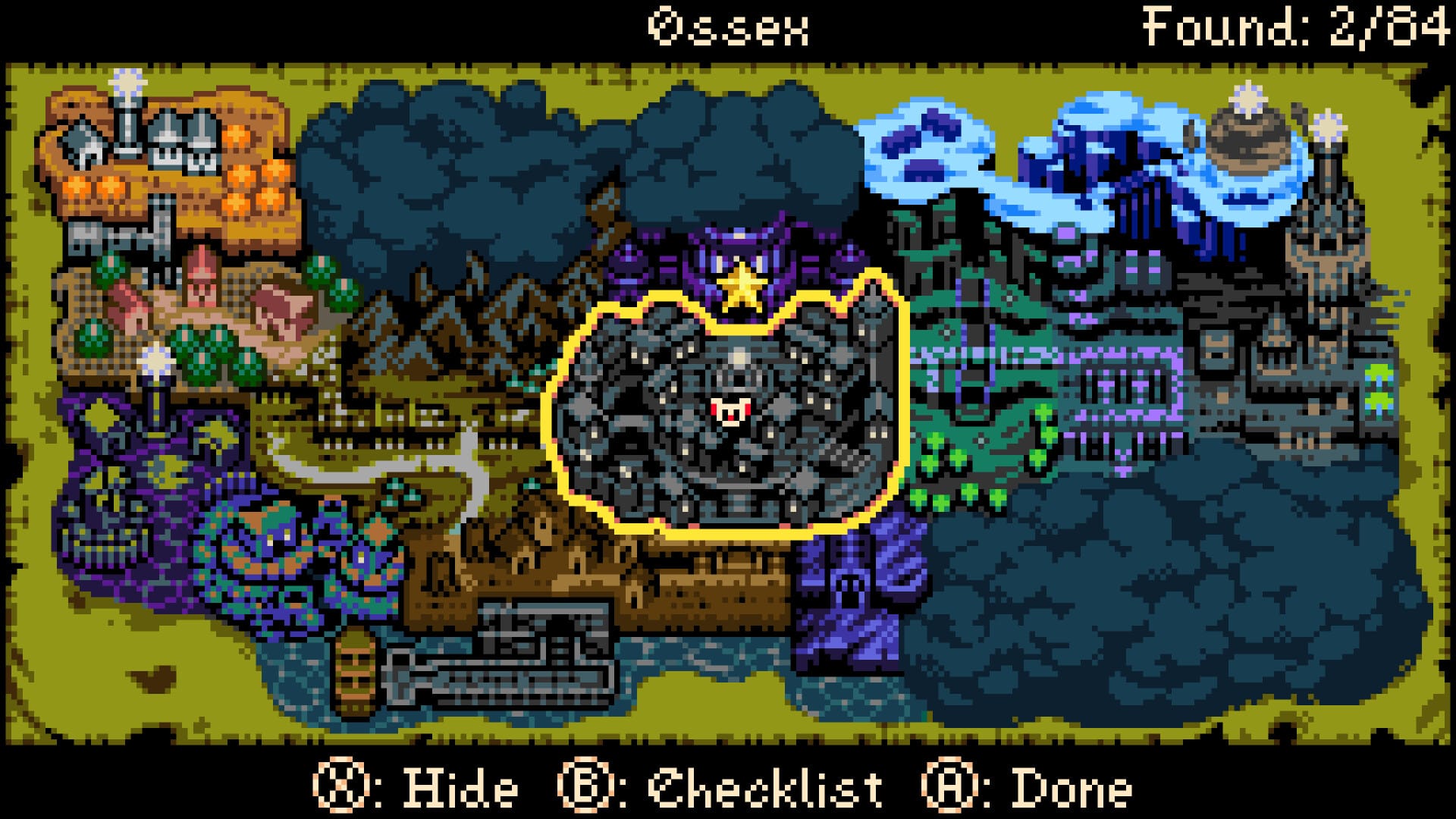
Oh, the places you'll die.
"Games create a sense of discovery when they show you a little hint or a little thread to tug at, and then when you tug at it, something actually unravels," says Velasco. "If I stab at fabric with my knife and it doesn't tear, then I'm probably not going to try that anywhere else. The game has taught me not to experiment."
All this is not to put Subnautica 2 in the same camp as an Ubisoft icon cleanser. God, no way. But it remains the case that Subnautica 1 left me to my own devices much more freely, plus it was my first visit to this type of wet and wonderful planet. This means it will always have a greater place in my memory and heart when it comes to defining what makes an "explorer's game" great. Subnautica 2 is excellent, but perhaps only because it is firmly following its predecessor, like one of those fish that swims next to a shark all day and all night, kissing their gills.
So a lack of novelty is one more discovery killer. But nothing - nothing - dropkicks your sense of discovery into unconsciousness faster than trying to do something exciting and simply being told "no".
"Artificial limitations kill a sense of discovery," agrees Velasco. "I'll never forget sailing on the open sea in The Wind Waker and having the King of Red Lions arbitrarily tell me I had to turn around and go somewhere else. Excuse me? I am in charge here! Limitations like that make the world feel fake."
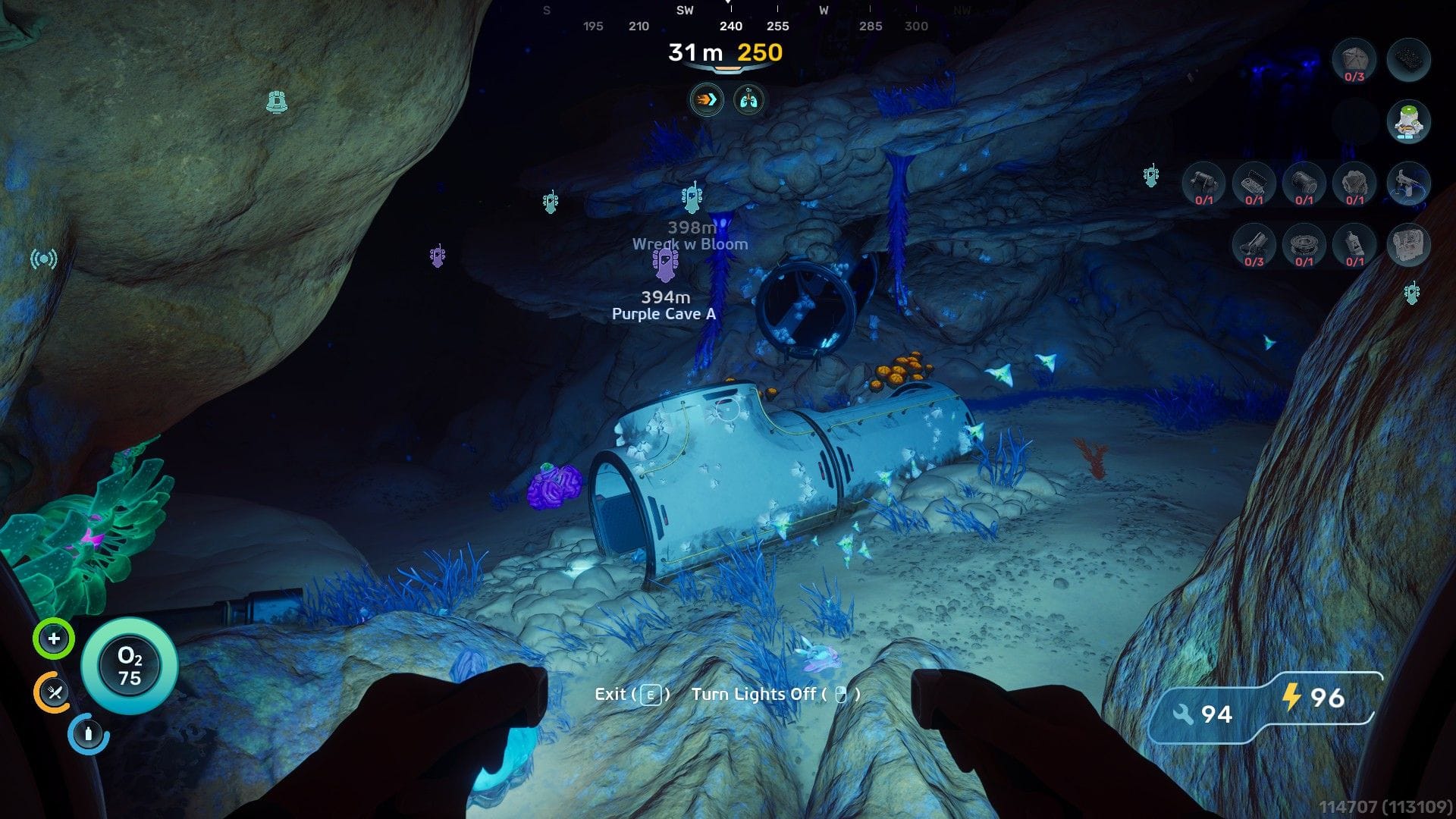
You will always encounter a limit somewhere in a game. It just depends how "artificial" it seems. In the case of Subnautica 2, when you reach the edge of the world you'll see a huge orange ghost of a wall. You can venture through this porous barrier, at which point the game will warn you of danger and death. I haven't passed over this threshold myself, but I have heard awe-stricken whispers of the things that will not let you live out there. Is this an artificial limitation or a natural one? I don't know, but I am broadly in favour of designers using huge sea monsters as a player herding alternative to the ubiquitously despised invisible wall, or the forced turnaround a la Wind Waker. But whatever designers do to finally reign players in, it has to be thoughtfully considered, or it kills not only your sense of freedom, but your curiosity too.
"Creating discovery in games is one of the hardest things a developer can do," says Damian Martin. "Because you as the designer can never experience it yourself. You know what's around the next corner, you know what's coming up in the story, but more importantly you know the limits of the game. Because of this you never naturally think outside them, you never wonder what's beyond a locked door, or over the horizon, or think about what could be out there. So to create discovery requires an imaginative and empathetic leap."
I've previously described the loop of exploring and retreating home in Subnautica as a catlike instinct. You go out, roam around, return, then next time you'll go a little further, or try another route of curiosity. This habit of delving out and circling back to safety is encouraged by the warm safe waters of your landing zone (where most players will build their first home) and the contrasting creepiness of more distant depths. In the first Subnautica, you had a slow dripfeed of audio diaries to lead you vaguely in new directions. The rest of the time, player behaviour was expected to reflect the circuitous ramblings of neighbourhood felines.
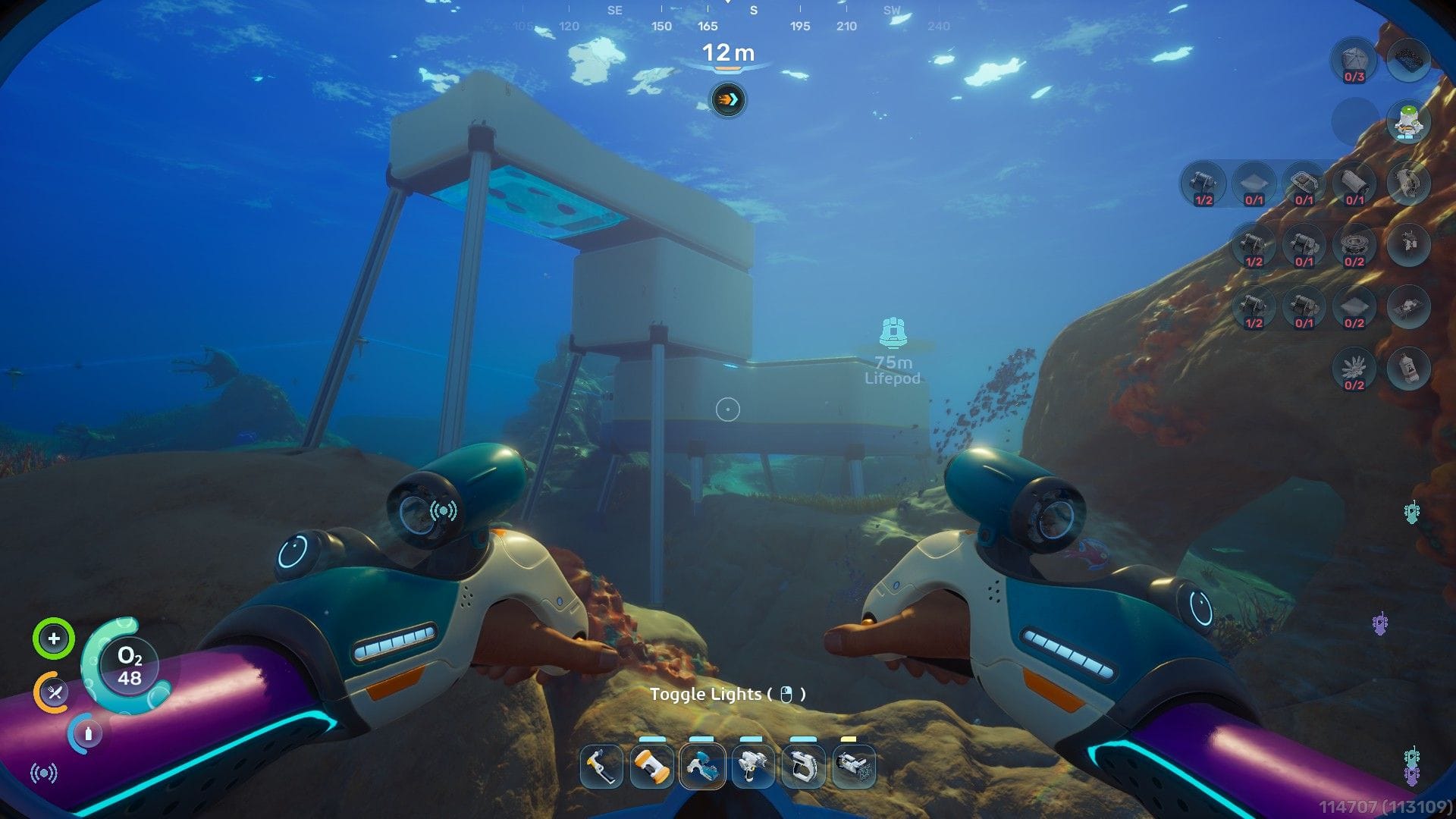
Subnautica 2 uses the same methods but ups the rate and volume of story-driven hints. Your AI machine has more to say, the audio diaries you find are more explicit when they talk about new areas, the waypoints lead you directly to where you want to go, and you get a scanner room to locate mineral and resource types much earlier. In other words, it is marginally but noticeably more insistent and less trusting of the player's own initiative.
But even with all that, it has still had its moments of revelation and wonder. I remain wet and/or wild for its new-ish world, and will continue to dip in and out of the toxic, metals-heavy seawater as the early access goes on. Anyone who has even a passing interest in that famous Oatmeal comic about the mantis shrimp to jump in and get eaten by an aquatic creature of your choice. It might feel recognisable to fans like me, like there are fewer curiosities to uncover, but that doesn't lessen what the sequel does well - its new creatures, the fresh environments, and all of the small improvements or tweaks that make it a cleaner, smoother diving adventure (even the storytelling devices, though overused, are well-written, characterful, and often funny). It's a familiar world, but there are plenty more weird crabs to discover.


Comments ()