
The demos that didn't quite make the cut in this month's Next Fest
At least twice a year we feral games journalists rummage through the bins of Steam like malnourished city foxes, looking for the best demos during Next Fest. It is a ritual of survival that we sometimes loftily call an act of curation, as if we are refined museum directors and not a gang of scurrilous weirdoes seeking sustenance from pixels.
The upshot is that you readers get a few recommendations, a shortlist of cool stuff to keep an eye on. But what about all the demos we played that didn't quite pass our cryptic taste test? Surely that'd be equally useful. A "not all that" list. A "save yourself some time" list. Here are all the leftovers we chewed once and spat out.
Altered Alma
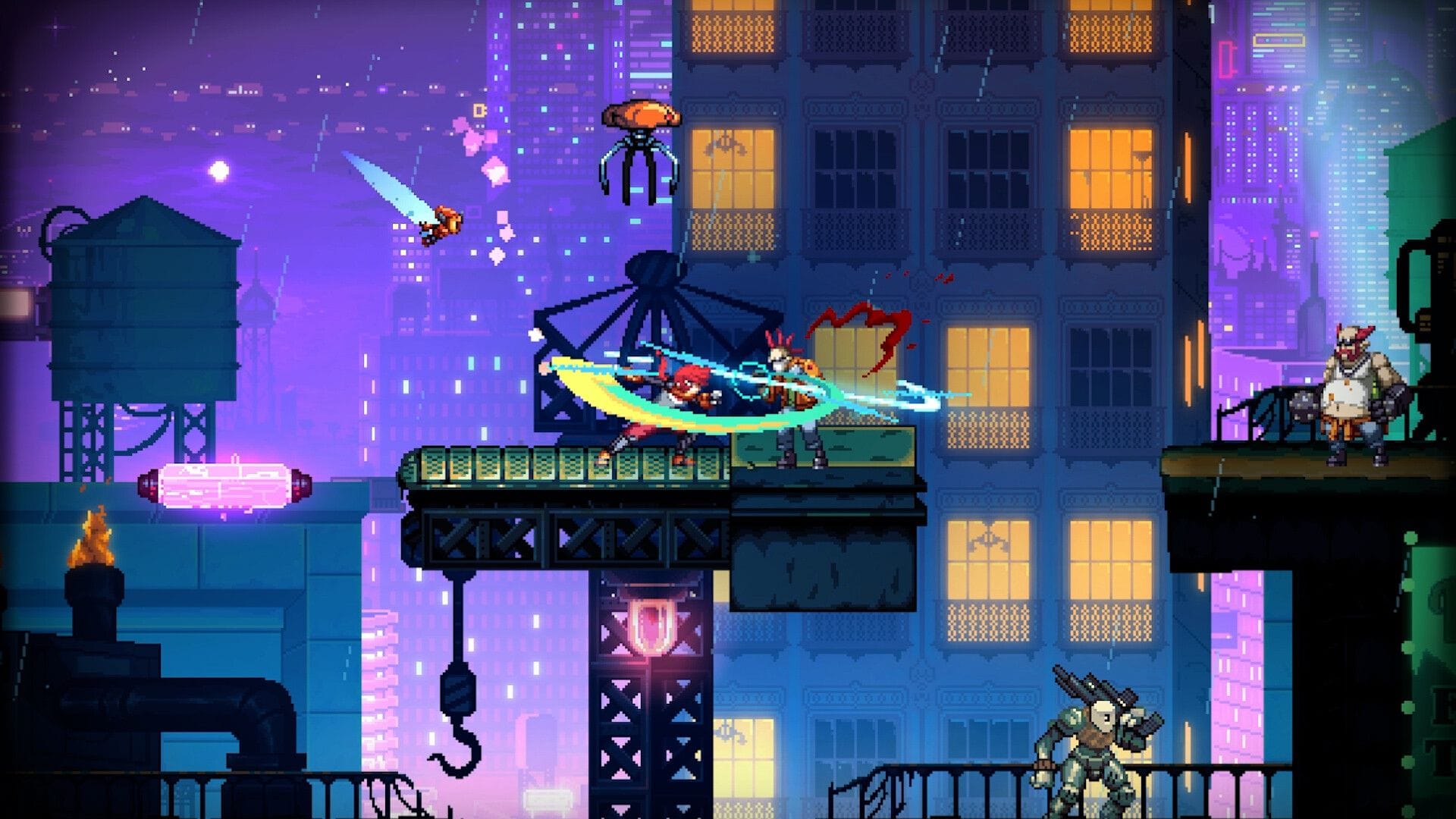
Graham: I feel bad calling this a leftover, because it's a slashy-dashy-grapply metroidvania with a cyberpunk world and dating sim elements, and it feels good to play. It's somewhat reminscent of Iconoclasts, an oft-overlooked but excellent action-platformer. The problem is that the metroidvania genre has become rapidly overstuffed. I haven't finished Silksong yet and I've barely put a dent in MIO: Memories In Orbit, both of which are obviously stellar. From the demo, I can't yet tell if Altered Alma belongs in that company, and if it doesn't, I'll probably never find the time for it, even if its trailer does suggest it'll show you a boob.
G-Rebels
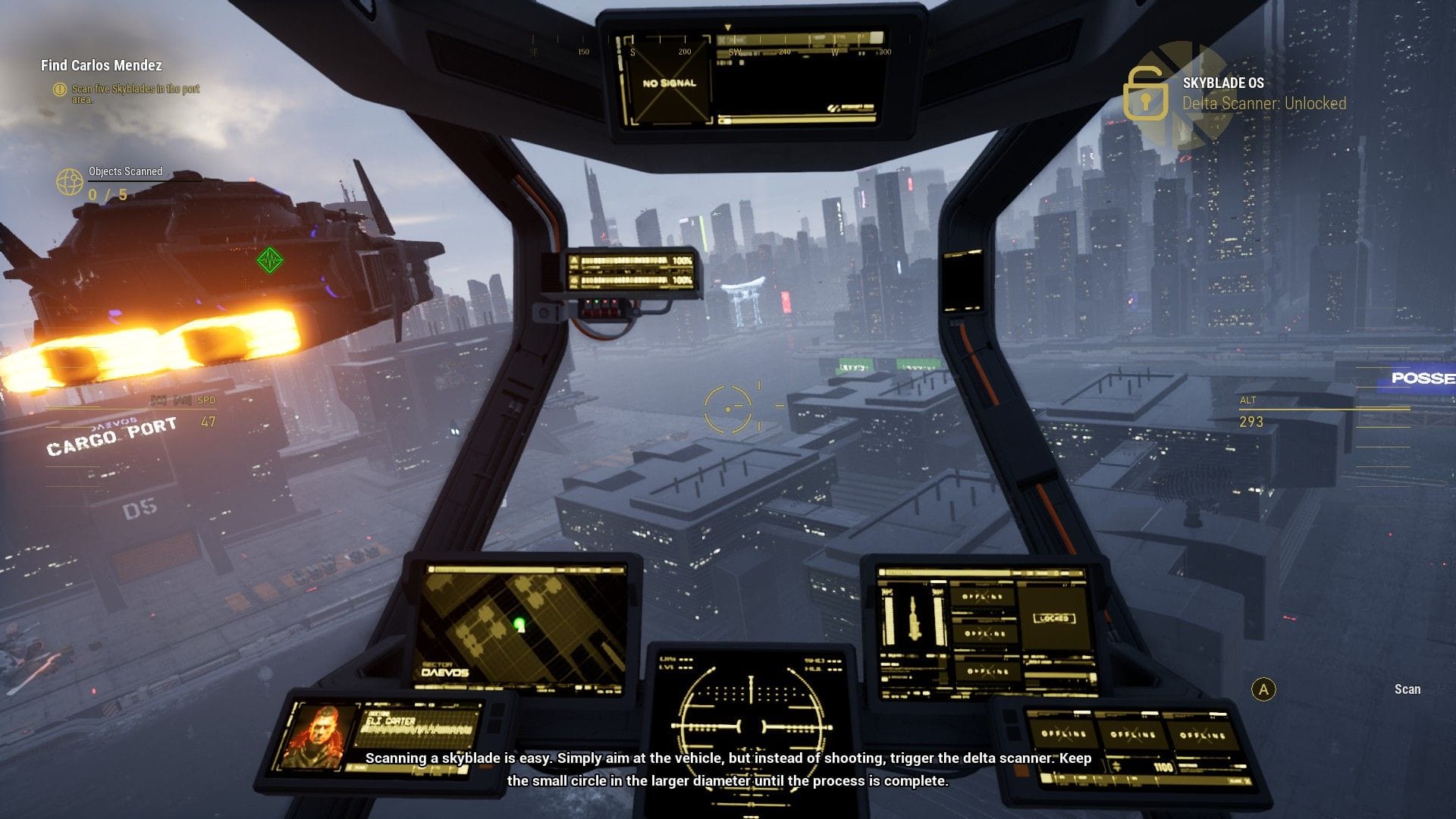
Brendy: My fond memories of PlayStation cybercopter shooter G-Police are based entirely on how cool I thought its box art looked as a ten year old. The font alone made my eyes widen. G-Police was Wipeout was Colony Wars was Future Cop LAPD. All these games co-exist in my nostalgia gland, a mysterious organ that I have yet to locate but which still, decades later, sometimes oozes an unabashed teenage love of chunky sci-fi machines. I mean, it's obvious, right?
G-Rebels is bait for these emotions, and I do admittedly feel a flush of nostalgisol when I pilot smoothly between skyscrapers, or escape from the heli-cops after a fight goes wrong. Flying above the cloud layer is especially pleasing, seeing the cyberpunk spires stick up through a sea of fluff. But the dogfights themselves feel clumsy, or else it is me who is clumsy, as I turn in endless circles and fail repeatedly to get a missile lock on my enemies. Maybe a HOTAS would make this feel better, I think. Or maybe G-Police was always a bit of a poor boy's Ace Combat.
Boost Vector EX

Graham: Vholume gave me an appetite for games about running real fast. Boost Vector EX has a similar moveset of slides and wallruns, but think less "malnourished and brutalist" and more "Sonic's human wife". You smash gems to fill a boost meter, and hit boost pads to reach ridiculous speeds. You'll eventually run so fast that you need to kind of drift around corners like a car - or, I suppose, a Kirby Air Rider. You also compete not just in time trial leaderboards, but real-time online races against other players. I got creamed on every track and the brief singleplayer mode didn't prepare me for the different ways the sprinters ("Vector Masters") handle, but I was won over by the presentation, which in its character designs, cast portraits, blue skies and menus is as Dreamcast as heck.
The Ratline
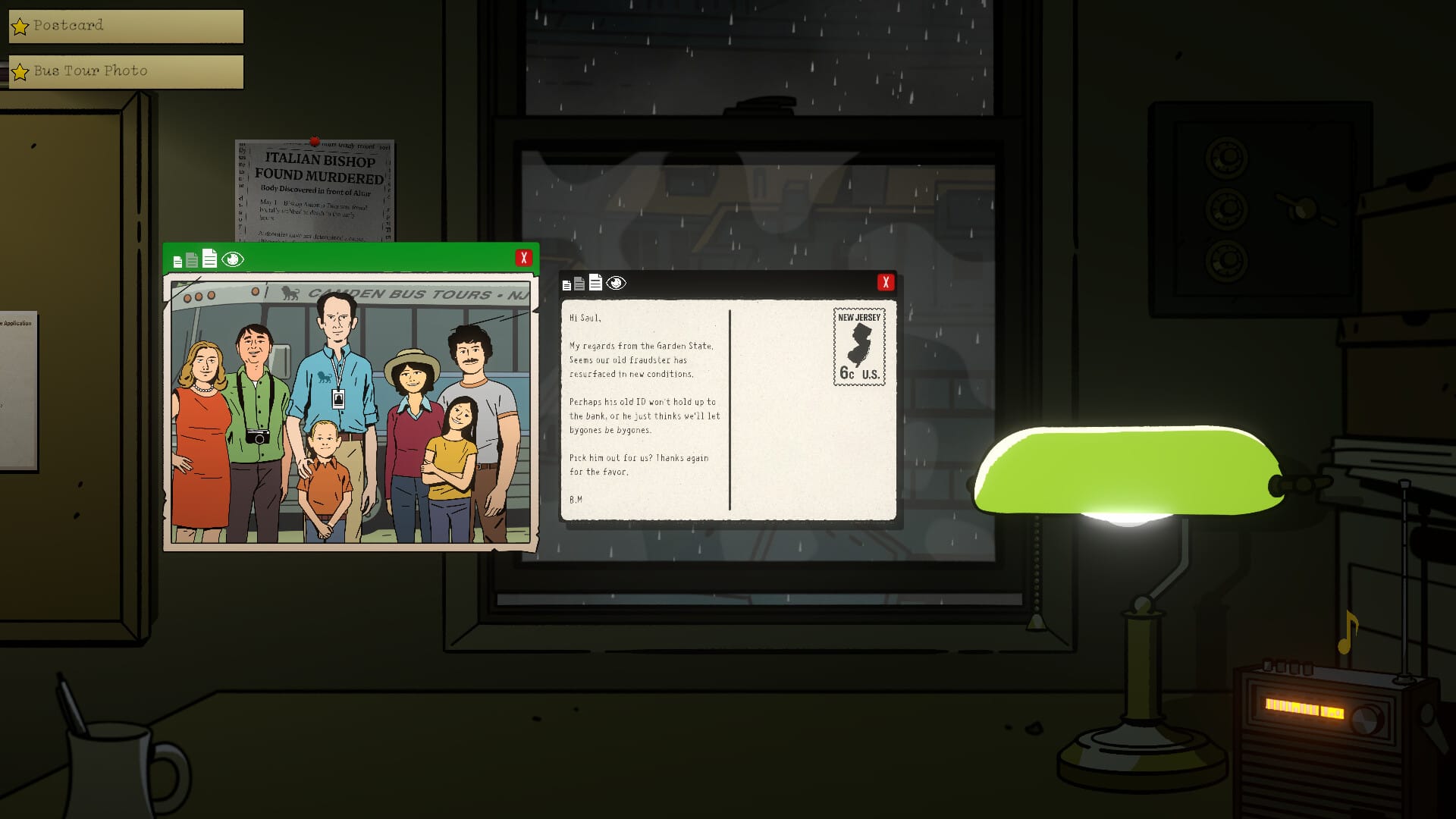
Jonty: The Return of the Obra Dinn and The Roottrees Are Dead sold me on the deduction-game formula as a concept; The Séance of Blake Manor and now this are selling me on it needing a particular level of craft to work. The setup sounds like a perfect combination of sprawling intrigue and limited data. You’re a 70s PI tracking Nazis who built new lives after the war, picking through newspaper clippings and cold-calling the leads you find. In practice, the writing is a bit too clunky and the mechanics a bit too fiddly; the cumbersome processes of rifling through paperwork and clicking through phone conversations weighs down the deductive process.
There’s just a bit too much busywork to grind through to get results, and cross-referencing a particular hunch is enough of a chore to detract from the thrill of finding the correct answer. It turns out that the 90s internet of Roottrees is the perfect amount of interface for looking things up: here, flicking between newspaper clippings, the phone book and transcripts of phone calls is the sort of thing you need a secretary for, making the whole thing an unintentional advert for AOL.
The leaden writing does it no favours, and nor does the story. The training-mission first case turns out to be a key factor in the initially unrelated third case, which feels an unnecessary and unsatisfying contrivance. I’m sure there’s an elaborate web of Third Reich connections to knit the later sections together, but it’s pretty clumsy from a cold start. Like Roottrees, there’s a hint system that will ultimately dish out the answer if you’re sufficiently stuck; unlike Roottrees I used it more than once because it was such a chore to work things out properly.
SpaceCraft
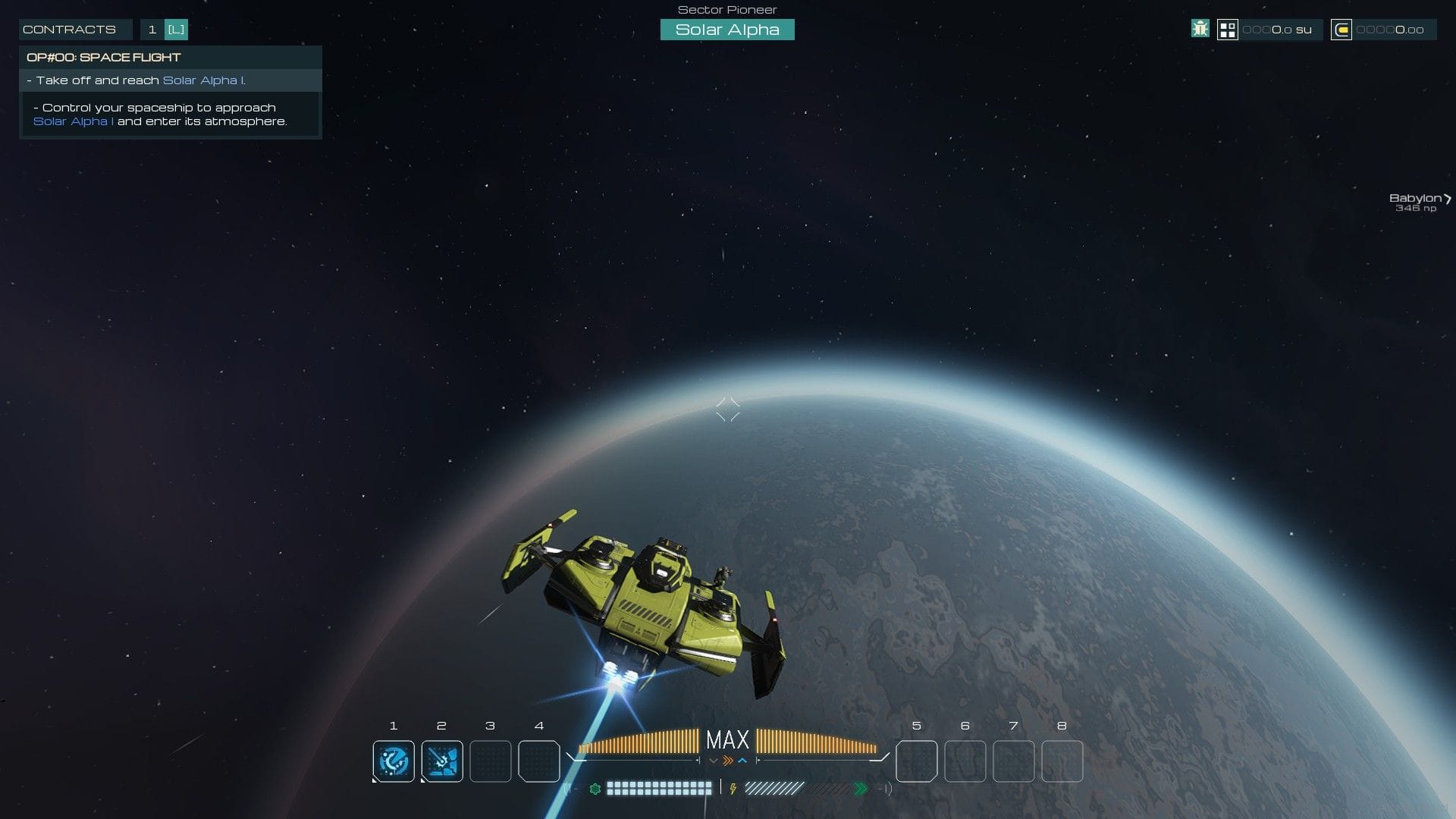
Brendy: Shiro Games have earned enough trust from Northgard that I felt mildly interested in their take on the space game. I broke free from the dry, generic corridors of the tutorial vessel and descended seamlessly (ie. framerate buckling under atmospheric pressure) to a planet's surface. The instant I was told to mine some rocks, I had an immediate and ferocious attack of ennui, like being struck by an extremely boring lightning bolt. I realised what I was doing and hit the eject button. I have played so many of these. I feel like I know exactly what my next hour would look like. Not today, survival craft. Not today.
Wild Blue Skies
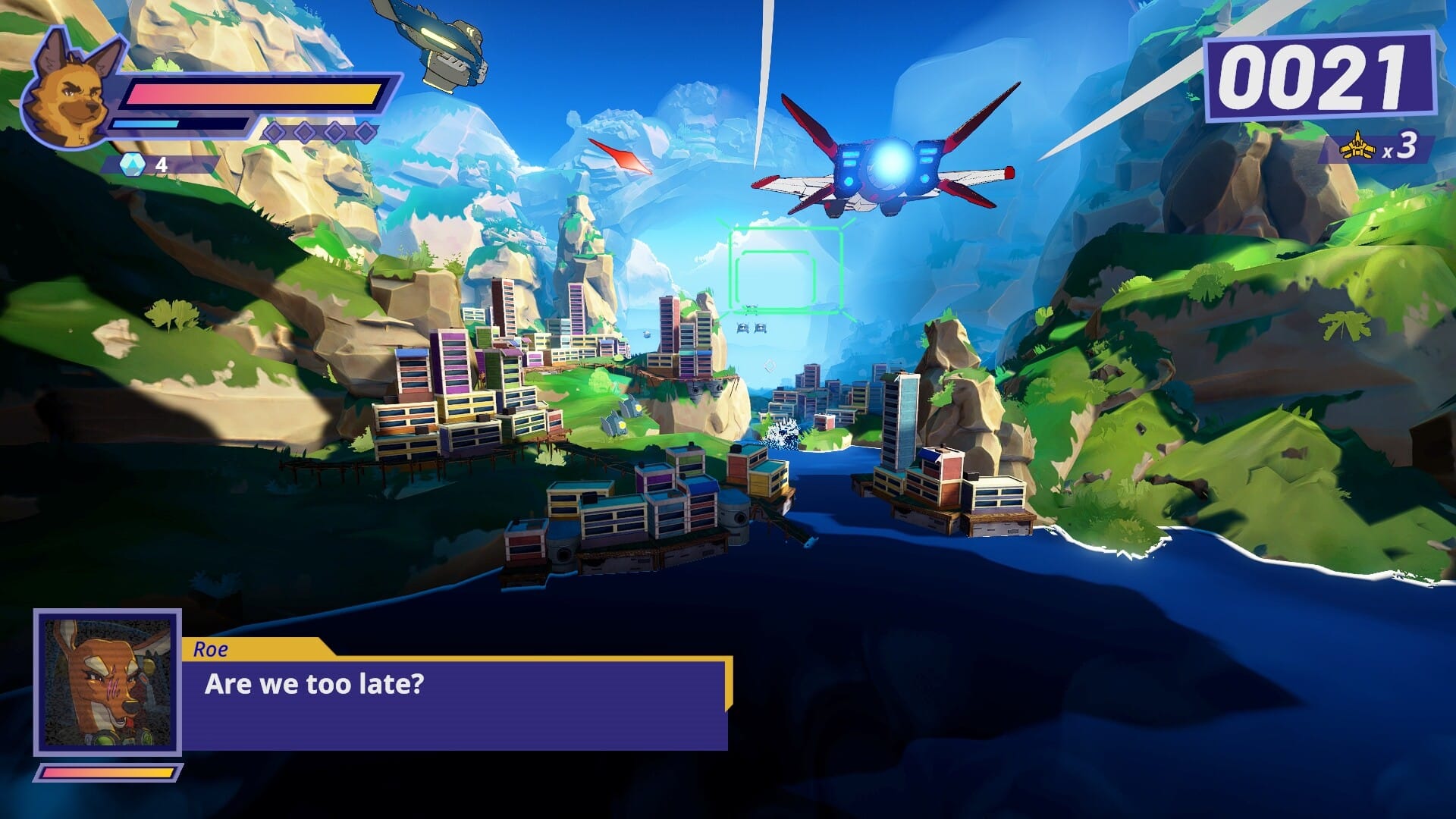
Graham: I've played a lot of StarFox-likes in recent years, including Whisker Squadron and Ex-Zodiac, and none have managed to capture the simple thrills I experienced flying a pointy spaceship on the SNES. I had hopes that Wild Blue Skies might be the one to finally make me eight years-old again, mostly on the strength of the scenery in its trailer and screenshots like the one above. Sadly the demo has a single mission which takes place entirely over a dark, near-featureless ocean, and ends with a bullet-sponge boss that performs two, slow, dull attacks but takes an eternity to defeat with your starter weapons. It's a poor first impression that left me less excited for the game than I was before I played the demo.
Of Love And Eternity
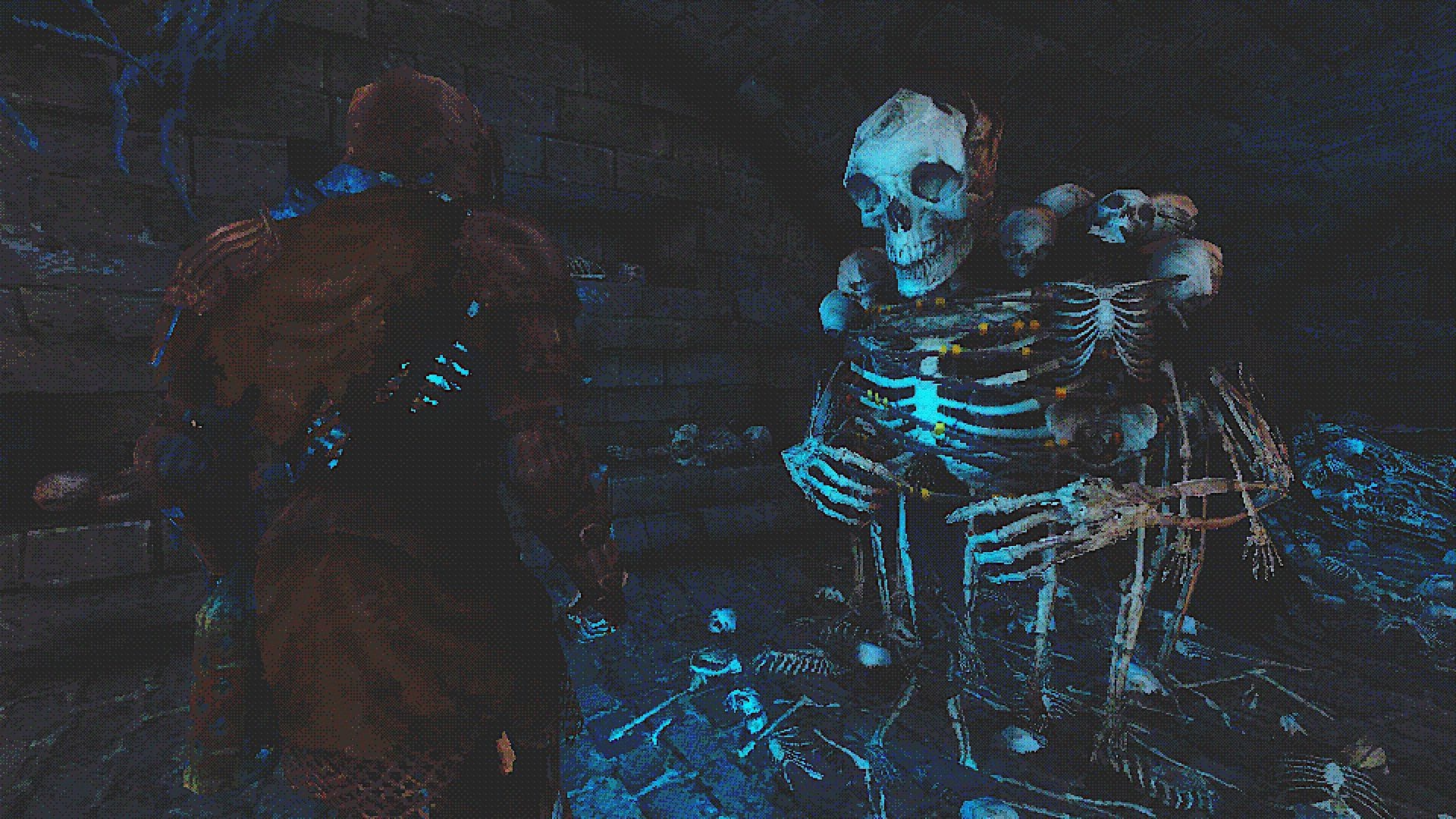
Brendy: A texturally handsome third-person horror explorer in which you are royally murdered alongside your lover in the opening scene. If the Dark Souls inspirations aren't clear by the time you are waking up in a dungeon pit as an undead knight, they will be fully transparent by the time your warden appears - he is basically Gravelord Nito's friendly younger cousin.
In terms of animation and environment art, it is an excellent showcase of personal skill. A powerful portfolio piece. As a walkin' talkin' videogame though, it is a single-path shrugfest. It suggests a large and layered world to explore, but all that appears so far are too-long linear paths that repeatedly use the same level design trick again and again - a fall acting as a valve that funnels you toward a single destination. There is little choice and little to do beyond move forward. I do like that sitting at a bonfire sees you cracking open memories of your past love, like fortune cookies, and casting them into the flames to watch the imagery of those memories flicker, showcasing yet more desperation from its dark fantasy Dante. But even this is vibes over vitality. The memories do little else but flicker.



Comments ()