
Graham is a former editorial director of Rock Paper Shotgun and editor-in-chief of PC Gamer. He has now been a games journalist for over twenty years, and retains a bottomless appetite for playing new games and tinkering with old ones.
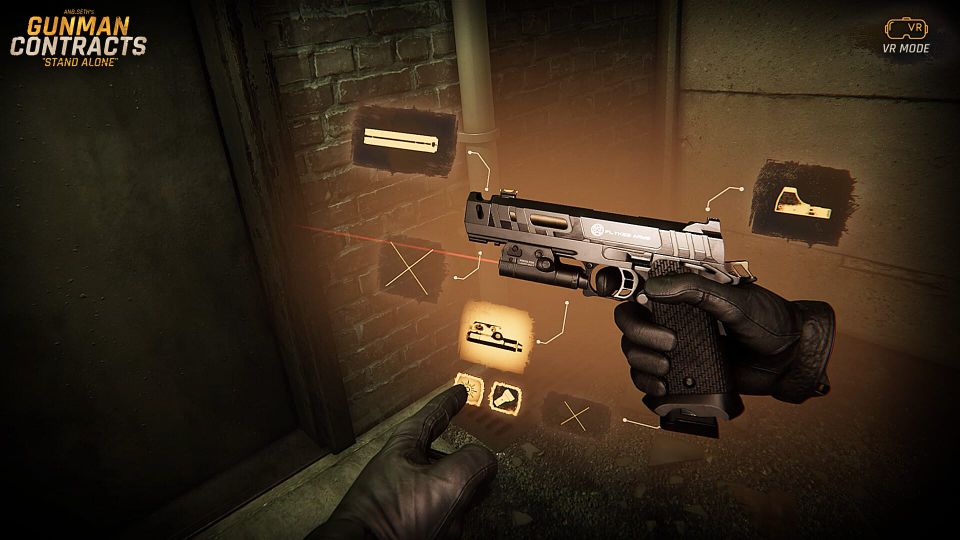
One thousand games are released on Steam every minute now, but thankfully almost all of them are about tidying up cluttered retail businesses and were made with varying degrees of AI assistance, and thus they can be safely ignored. The three games that remain this week are all spiritual successors to Nintendo 64 classics and I have dutifully listed each of them below.
We've also noted what we personally intend to play this weekend, though we are but lowly serfs kneeling before your own lordly proclamations in the comments below.
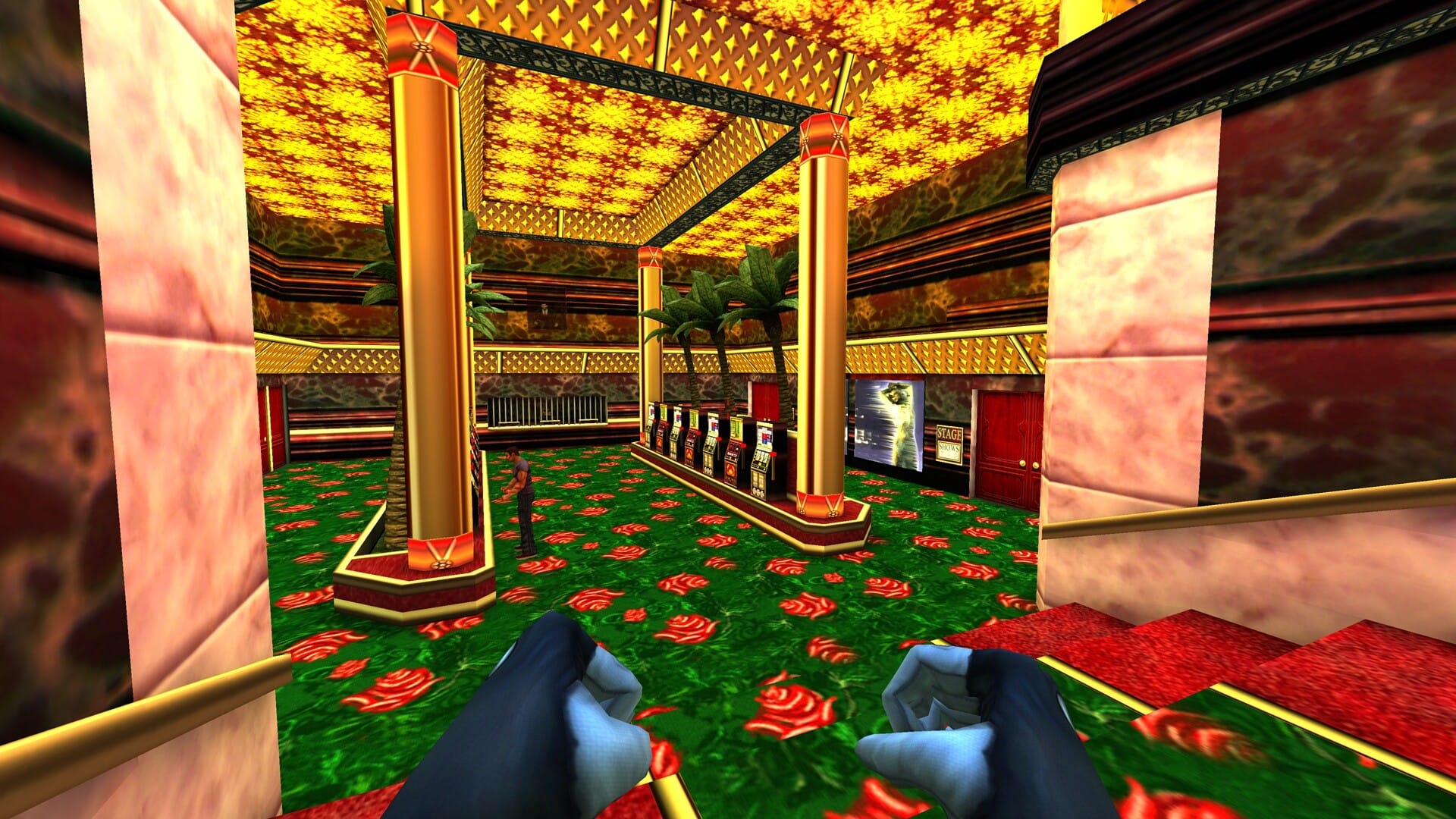
I have tremendously fond memories of GoldenEye 007 on the N64, although they mostly focus on the multiplayer mode and its custom settings. 'Proximity mines only' on Facility remains an all-timer. Agent 64: Spies Never Die is a straightforward spiritual successor that aims to replicate the feeling of Rare's classic, including a singleplayer campaign, splitscreen multiplayer, and bots to fight against should your friends not want to revisit the past.
It must be rough to spend years working on a StarFox spiritual successor only for Nintendo themselves to swoop in and both announce and release a remake of their
We want you to read Jank, but that doesn't mean we need you to visit our website. There are no adverts here, so your clicks? Worthless to us. You can keep your clicks to yourself, frankly, and the best way to do that is by subscribing to Jank in your RSS reader and enjoying our work from there.
We've always had a full text RSS feed, but when we started slipping certain posts behind the paywall (because we do want your money), those posts became truncated within the feed. Paying members had to click over to the site in order to access the rest of the article. I can't abide that, so we've fixed it. There's now a second full text RSS feed for paying subscribers.
This new RSS feed is behind a URL that is unique to each paying subscriber. If you're signed in and a paying member, it should display in this helpful box:
Good morning, videogames. Last week's Lie-In was written in advance to cover for my absence, and frankly it was rude for people to continue publishing articles while I was away. Now this week's Lie-In needs to somehow contain almost two weeks of links to writing about videogames. Terrible for me; a bumper crop for you.
Aftermath launched Hater Week, a batch of articles in which they got a lot off their chests. I love this idea. Here's Gita Jackson on why survival games are annoying.
A video game character does not need to eat, drink, or sleep. They do not need to take their meds every day. They don’t go to the bathroom, or get hair cuts, or trim their nails—all these tiny chores that take up time in my life that I never think about but must complete. So why, why, would I play a video game where doing all these chores is not only necessary, but the point.
I am back from my Scottish absence, which means that instead of being prepared a week in advance, this article is being written in real-time. Click on it quick enough and you can see my cursor still scrabbling across the screen, laying out words about three new games you might like to try this coming weekend - and, as a new bonus, adding words from the Jank crew on what we're hoping to divert ourselves with this weekend.
Let us know in the comments, as always, what you're going to be playing.
I've been reading Tower Dungeon, Tsutomu Nihei's manga which answers the question: what if there was a big tower? This RPG makes you the manager of such a place, with a Round Table of hot knights to send on quests and keep happy. I love the loose lines of the character artwork and UI, and am encouraged by the ability to turn back time (via a demon in the basement) to reverse previous decisions.
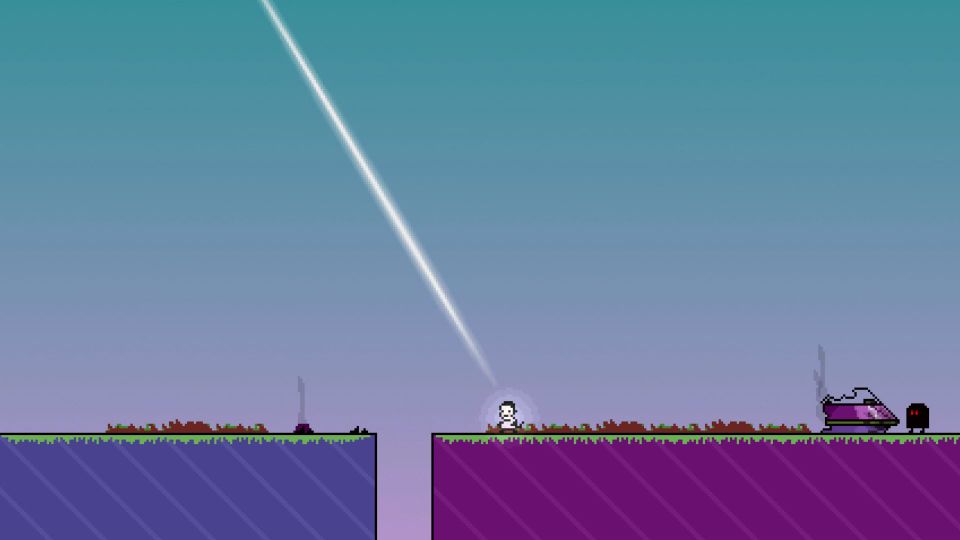
At its best, Emuurom leads you to make new discoveries several times per minute. You are exploring a world, screen-by-screen, with nothing but a scanner you can point at the flora and fauna. Scan a cloud? It rains. The rain falls on a flower? It blooms. Scan a bird? It flies left to right. Scan a different bird? It shrieks. The shriek touches a flower? It splits into seeds. What do the seeds do? You'll discover that soon enough, with a little playful experimentation, and then discover another thing and another thing. Playing Emuurom is like being parachuted into the middle of Moominland without Tove Jansson's prose to guide you and so each new creature and interaction is yours to piece together.
That's Emuurom's surface layer, and it's a joy. It's where I live. Many people will try to convince you that this puzzle-platformer's greatness lies in the cleverness beneath that surface, however. Its developer has spent eight years constructing layer upon layer of secrets which reveal themselves only via perseverance and effort. Emuurom contains, for example, a unique language to translate. That's the kind of worldbuilding that makes a certain kind of person immediately excited, and it's a transparently impressive act of design. For me, a dummy, such depths are both admirable and off-putting, and so I am here to tell you that Emuurom is something much more than clever. It's fun.
There's a pronunciation guide for every weird lil' guy's name.
Jumping on things and scanning them are the only modes of interaction here. Emuurom has no combat and your character, sent to this planet like a data upload, has no health bar and cannot die. Instead, the creatures that populate this planet either passively let you shove them around, move along fixed paths, or shove you back when prompted. One area has dolphin-like creatures that leap out of the water when you scan them, for example, so you scan them when they're beneath you and they shove you to a platform that's higher than you can jump.
I'm giving away that discovery for free because Emuurom is full of them, and you will intuit much of what you must do to progress without much conscious thought. The trick is to just keep scanning everything, old or new, and to trust that the game will reveal itself to you, at least until you reach its endgame. These reveals are delivered in part via written descriptions of the creatures and plants you encounter, each of which have names, behaviours, and occasionally short snippets of dialogue. They build up a picture of a world that is playfully alien and silly, when the pixels and puzzles might otherwise have been austere.
Good morning, videogames. I am still, somehow, on holiday, but once again I have prepared an article for you to read in advance. How have I collected a collection of articles worth reading this week when I haven't been at my desk? Well, no one ever said all the articles had to be new.
Many remember Kieron Gillen's New Games Journalism manifesto. No one remembers what I'd consider its sibling, written months earlier by then-PC Gamer editor Mark Donald. Donald had just redesigned the UK version of the magazine to focus more on games post-release and to support the kind of in-game cultural reporting Gillen later referenced, and he posted an open letter looking for contributions. It's more of a pragmatic appeal for pitches than Kieron's call to arms, but I think it's nevertheless an inspiring mission statement. It was what prompted me to pitch to PC Gamer the following year, after which Mark handed me my first paid commission and, a few months later, a full-time job.
I'm trying to create a magazine that communicates the incredible experiences gamers have. A magazine that reports on the amazing transformations
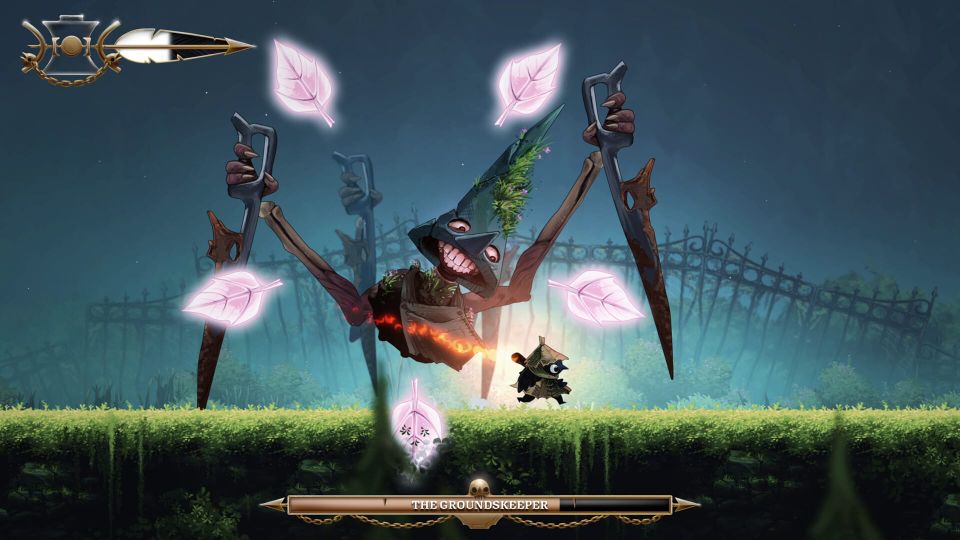
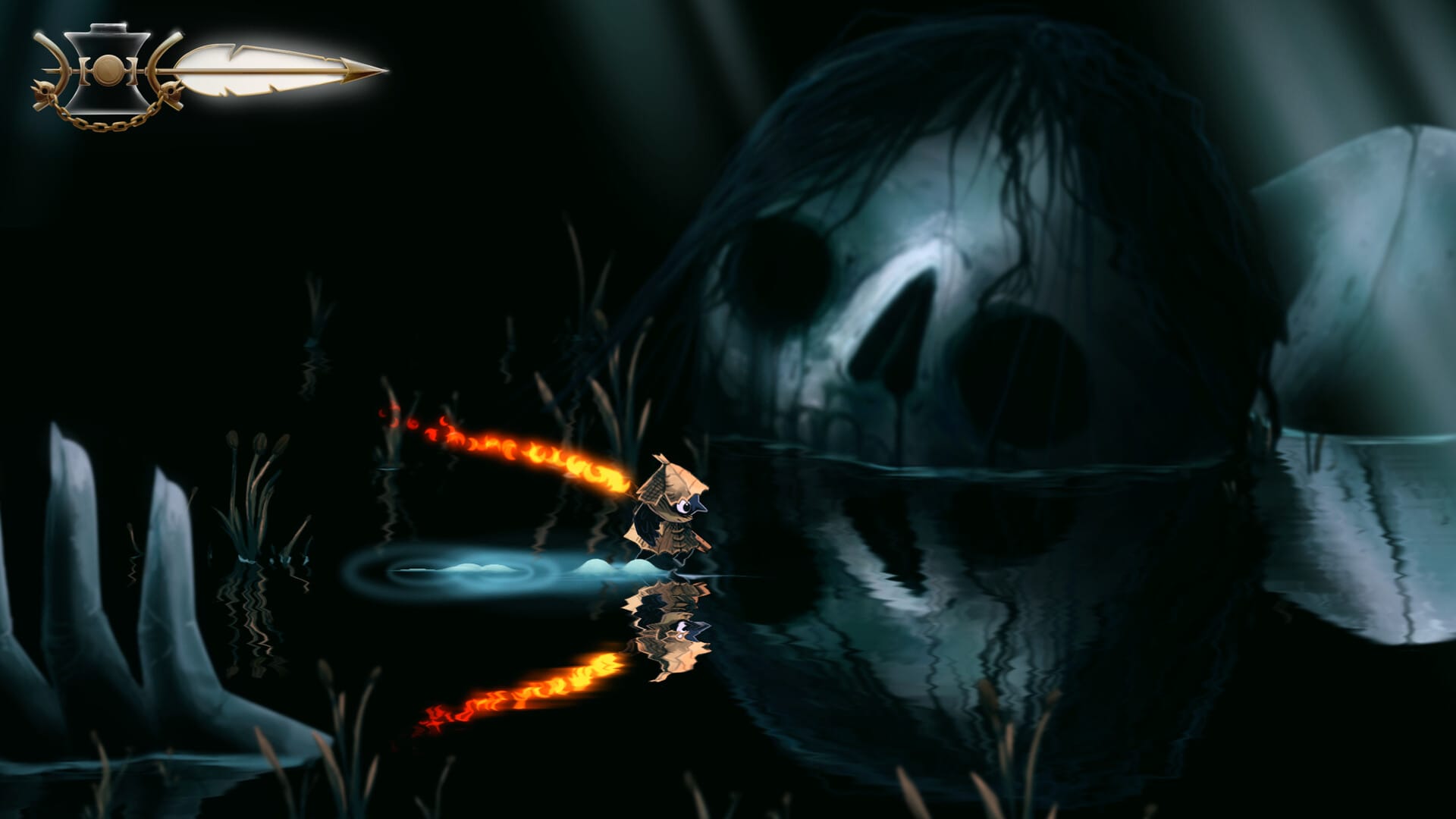
Videogames' three art styles: pixel art, embroidery, and skeletons
As you read this, I am still on holiday where, baggage allowance permitting, I will be playing games on my Steam Deck. Which games, I have no idea. Thankfully I have prepared in advance and below you will find your usual collection of games you could be playing. Where would you be without me?
Tell us what you are playing in the comments below.
A side-scrolling medieval folk tale in which every frame of character animation was created via embroidery. I have no idea how this plays out in practice - Thank Goodness You're Here meets Pentiment? - but it looks beautiful and I'm keen to find out.
Hand Of Fate was a beloved tactical deckbuilder that seemingly didn't perform well enough to support its developers, who effectively closed down after Hand Of Fate 2. Now a bunch of former staff have re-formed under a new studio to bring some of the series' crunchy deckbuilding into a bullet hell context. It's out in Early Access now.
Good morning, videogames. I am having an actual, proper lie-in this Sunday for possibly the first time in years, since I have no family appointments to keep. I look forward to waking up thick-headed, groggy and ill, like every 40-something when they get slightly more sleep than usual. Perhaps I can soothe my aching head with some good words about videogames.
Over at Aftermath, Luke Plunkett wrote about Soren Johnson's 4X game Old World, to explain what it gets right in its attempts to design around issues with the Civilization series.
I think a focused 4X game is a good 4X game. Why? By limiting its representation of history to a single era, Old World is able to invest in much more detailed and interesting diversions within that period than Civ has ever been able to manage. Most important of these is a dynasty and relationship system lifted straight from Crusader Kings, where every faction is made up of families and clans, and every major individual within them is represented by personality traits and skills, and the relationships they develop as a result.