Jank Mail - Let's review

This week in PC gaming

It’s reviews season on Jank, as we issue considered judgement on the abundance of new games. Marsh kicked it off with Gears of War E-day, from the perspective of somebody whose career began when the series did:

What's changed is my personal ability to compartmentalise—or, perhaps, to kid myself that it was ever some wholly separate, harmless fantasy. Across 20 years, social media and the discourse that trails it has mangled together private, public, work, leisure, entertainment and news—of which a good portion is open-mouthed horror—such that it has toxified even the simple pleasure of smashing open a monster's head like a cantaloupe.  Oh, that we lived in a simpler world, where the murder of a subhuman race of unthinking beasts could be so cleanly boxed as fantasy with no troubling intersection with the current moment at all.  

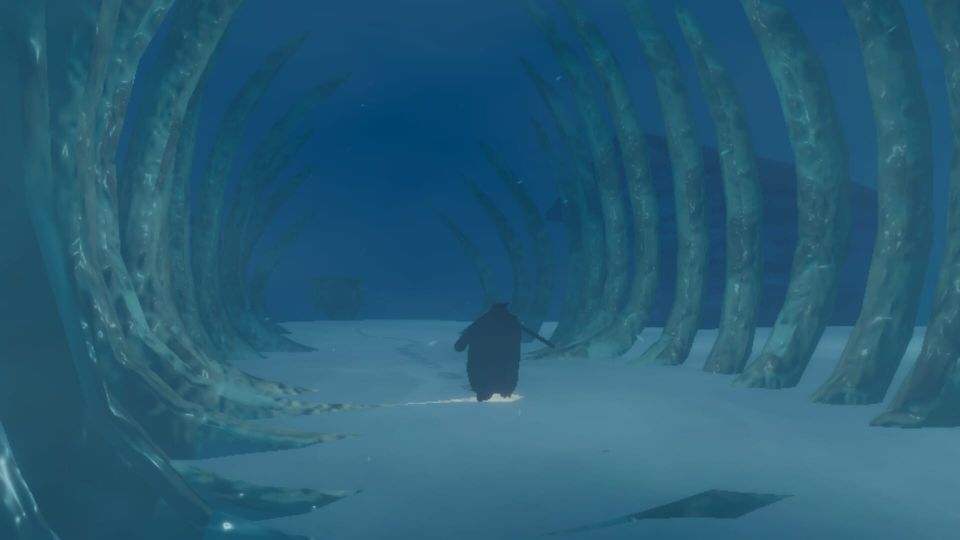
Khee Hoon Chan commended experiencing Lovecraft’s open racism through the eyes of a selection of flightless birds in Penguin Colony:

There’s a surreality to seeing all these through a penguin’s perspective, one who’s mostly immune to the conflict. These scenes are beguiling because their horror is so

Total Playtime: Literacy Was Too High a Price to Pay

Somehow, Kotick returned

Total Playtime is the official Jank podcast, funded entirely by our paying subscribers (and formerly our backers on Patreon). This week’s episode is free, but subscribers get additional episodes every other week. You may join them by subscribing here, and you can find all previous episodes here.    

It’s another bijou two-hander this week, as Alice and I meet to pick over the remains of another week in PC gaming and get the latest updates on her dog and her neighbours, both of whom are making annoying noises. 

Annoying noises in gaming, meanwhile, come from the resurfacing of the GTA leaks guy (let’s face it, it’s almost certainly a guy) and the newfound union of Warner Bros and Paramount into a new games/movies behemoth. The latter now includes Bobby Kotick, about whom we have nothing bad to say. There’s also a bit of AI chat and some game recommendations, which tops up our quota just enough to merit another run of highly self-indulgent subscriber episodes plucked from the cauldron of Nate’s brain. 

If you’d like to experience those subscriber episodes (along with Discord access to both

What you could play this weekend

Pineapple beatdown

We don't write news and rarely write previews here on Jank, but we still want some method of acknowledging the flurry of interesting new games that come out each week. That's what this column is for. Below you'll find brief mention of what Jon, Brendan and I are currently playing, but also three new games that we think seem worthy of at least a glance.

The comments below all that are what really matter, though. That's where you'll find games old and new, all of them interesting enough to be played by at least one person in the Jank community. Join in! It's free.

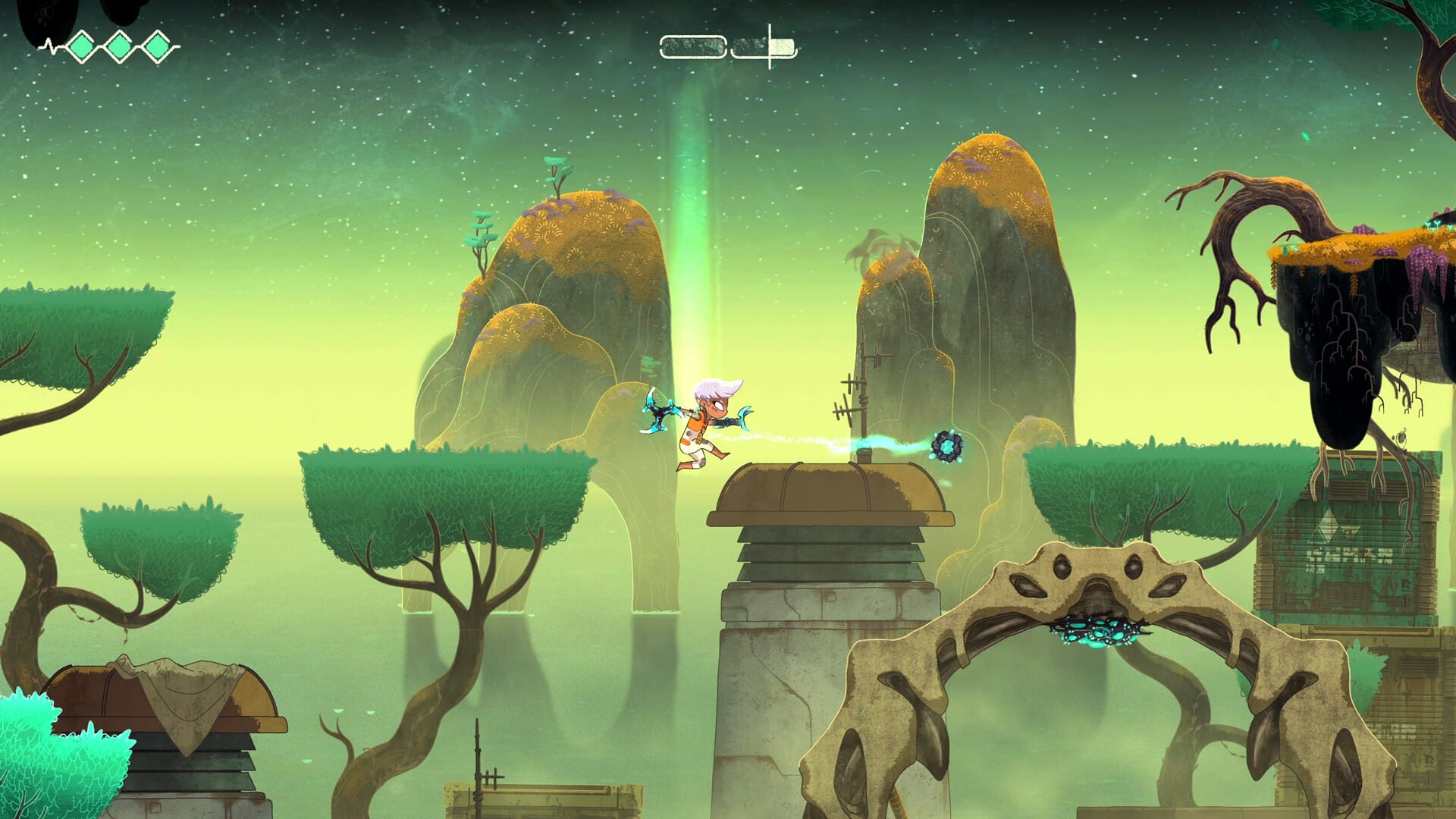
Echo Weaver

The player character jumps in the air while holding a glaive. There is a starry sky, tree tops and distant islands in the background.

I often think, while lost in some metroidvania cave network, that I wish these games gave me information-game style tools for working out the path forward. Maybe Echo Weaver is what I've been hoping for: this is a time-loop metroidvania that everyone is comparing to Outer Wilds, in which your entire powerset is unlocked from the beginning but you need to experiment with it to learn how it works and gain the knowledge needed to progress.

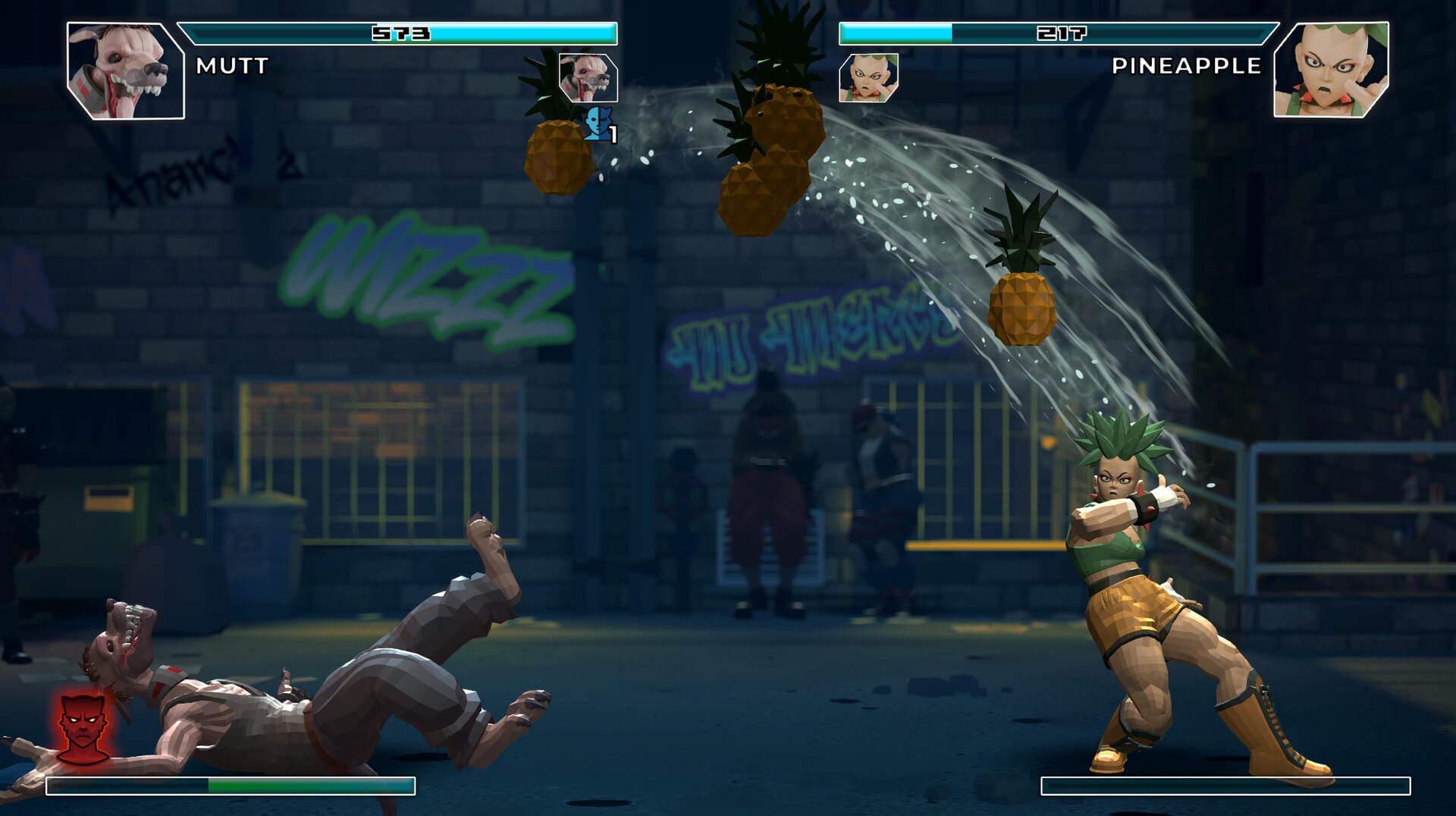
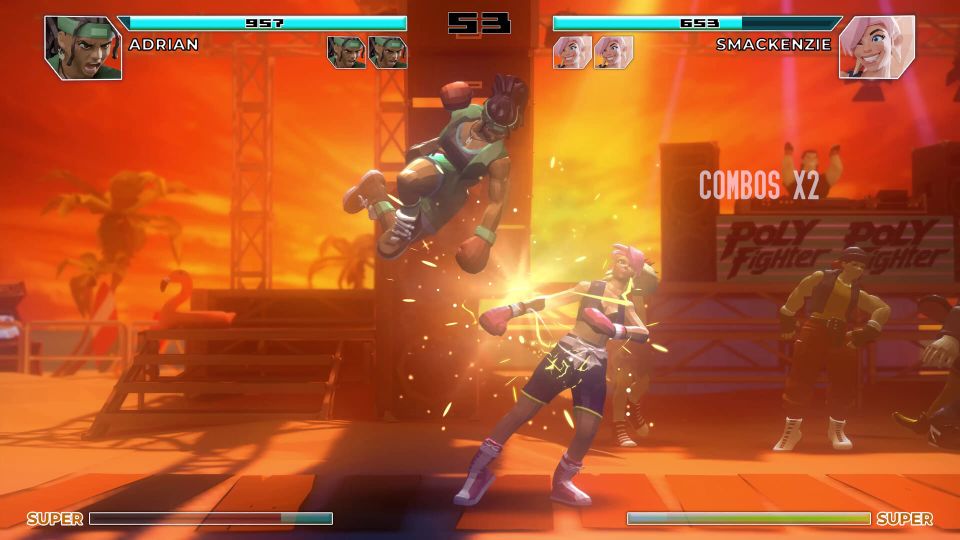
Poly Fighter

A person called Pineapple throws pineapples at a dogman called Mutt, lying on the ground.

A roguelike beat-'em-up where defeating

Penguin Colony review

No greater horror than empire

That fantasy-horror writer HP Lovecraft was a virulent racist and out-and-proud Anglophile is no longer esoteric knowledge. His writings are peppered with bigoted musings and contemptuous descriptions of Black people and other races, yet despite this his works remain immensely popular due to the existential nightmares they conjure. Many contemporary re-tellings of his stories, like the cottage industry of Lovecraftian videogames, simply choose to avoid his most racist rhetoric, surgically removing the prejudice in his works like cancerous cells from a body. You won’t see any Cthulhu worshippers or prisoners being referred to as "men of a very low, mixed-blooded, and mentally aberrant type" in these tales, as Lovecraft himself had described some people in The Call of Cthulhu.

Penguin Colony, however, refuses to look away from Lovecraft’s bigotry, with developers Origame Digital reinterpreting one of his novellas through an explicitly anti-colonialist lens. Based on At the Mountains of Madness, it depicts a catastrophic expedition to Antarctica in 1939 by Nazi soldiers (a group Lovecraft himself had some sympathies for), with the tale being chronicled by a British scientist named Howard Blakely. No punches are pulled, no time is wasted; within the game’s opening chapter, a camera pans towards a flag adorned with the Nazi insignia being flown in a base camp. The purpose of the expedition is clearly stated: the group was here to unearth the origins of the so-called Aryan civilization. Following in their footsteps is a Māori faction, who seek to eliminate whatever abomination the Nazis are planning to unleash.

This post is for subscribers only (it's free!)

Already have an account? Sign in.

New Star GP review

Grand pricks

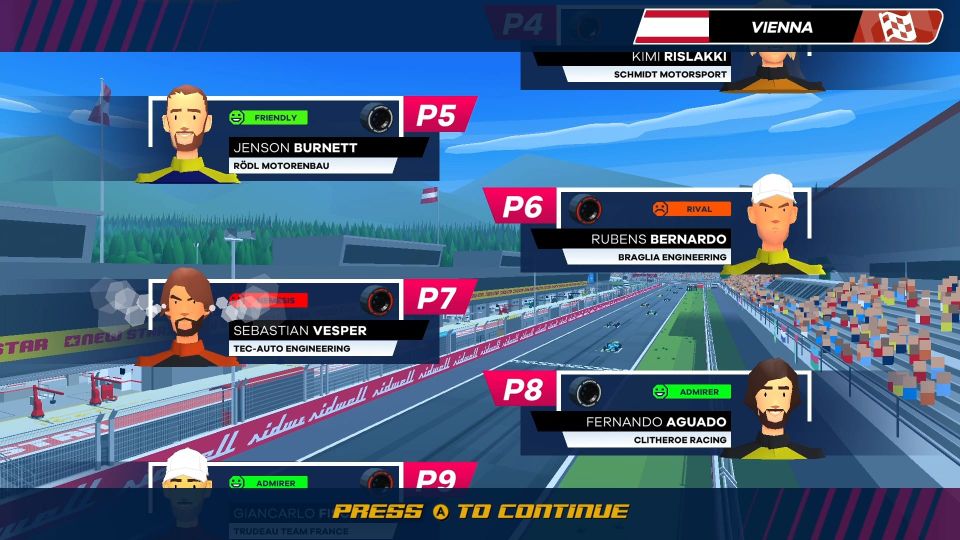
Smoke is shooting out of Sebastian Vesper's ears. I only see it on the starting grid, but Vesper is my "nemesis". That I haven't noticed until now must be infuriating. Sure enough, once the race starts, Vesper is swerving around in front of me in a frantic attempt to prevent me passing him. I do so anyway, a few corners later, but Vesper keeps close behind despite typically being one of the slower racers this season.

Arcade racing games almost always start you at the back of the pack. Your opponents are then barely sentient obstacles to be steered around as you slip into a flow state and slalom towards your inevitable victory. Not so in New Star GP. This is an arcade racer that looks at home alongside Virtua Racing, right up until it asks you what your pit strategy is going to be. Minutes later you're halfway through a Grand Prix and realising that your fuel load is making you slow, your hard tyres are carrying heavy wear, your gearbox is on the fritz, there are rain clouds on the horizon, and that you insulted Sebastian Vesper so hard in the press that his hatred for you is making his car faster.

I'm not sure there's a genre name that fits New Star GP. "Simcade" suggests it's much more of a simulation than it really is. Arcadulation gets closer, but let's not injure ourselves. New Star GP is fundamentally still as colourful and approachable as any other arcade racer, it's just one that's built layers of character and systemic consequence into every decision you make in its career mode.

This post is for subscribers only (it's free!)

Already have an account? Sign in.

What's On Your Bookshelf?: Space Marine 2's Ashley Cooper

"The pitch for the first book is 'lesbian necromancers in space' and it delivers on every word in that sentence"

Hello reader who is also a reader, and welcome back to What's On Your Bookshelf?, Jank's twice monthly chat with a selection of beer-battered, triple-cooked game-makers about books.

I saw another take today about "breaking out of your reading comfort zone". It's one I see quite frequently and am broadly supportive of, though only for a certain type of person. Generally speaking, the worst possible advice you can give someone who isn't reading as much as they'd like is "have you tried reading shit you're not excited about?".

I'm increasingly of the opinion that every piece of reading or writing advice on the correct way to do something outside of the purely actionable (you will probably need a keyboard if you want to make words happen on a computer, etc) contributes to a growing state of paralysis over doing that thing the right way. A plea, then, to reject the tyranny of correctness and simply enjoy some words. Oh, hey! We've wrangled another word enjoyer. It's Solace State, Motive's Iron Man, and Space Marine 2's Ashley Cooper! Cheers Ashley - mind if we have a nose at your bookshelf?


What are you currently reading?

I haven't been reading as much recently as I normally like to, but I've been working on fixing that. I finally started reading Harrow the Ninth while I was on vacation a couple weeks ago. It's the second book in Tamsyn Muir's Locked Tomb series. The pitch for the first book, Gideon the Ninth, is "lesbian necromancers in space" and it delivers on every word in that sentence. Gideon is one of my favourite books in recent memory, and so far Harrow feels different in an interesting way and I'm excited to see where it goes.

This post is for paying subscribers only

Already have an account? Sign in.

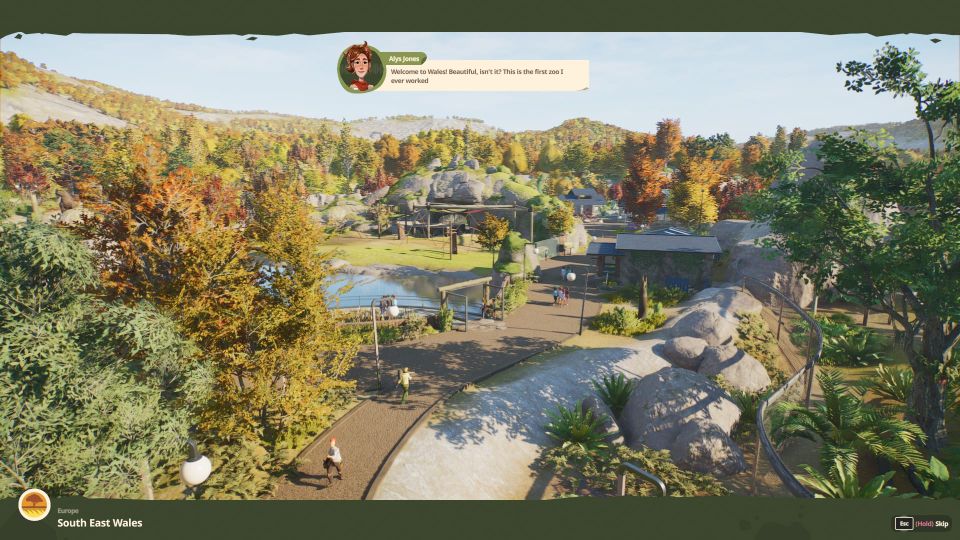
Planet Zoo 2 review

Out of the lions’ den

Planet Zoo 2 tries to think about what the purpose of a zoo is. As well as managing zoos around the world, you’re invited to participate in the improvement of various wildlife reserves, from the well-established to the new salvage of land after corporations have made it uninhabitable. The career mode in particular walks you down a path of balancing the everyday running of the zoos with the preparation of habitats and the animals that will be released there. It’s a great idea that unfortunately just doesn’t come out convincingly. 

The zoo management part of the game is fiddly and complex in ways I assume sickos of the genre (and I use this epithet positively) will be pleased to hear about. The welfare of the animals, for example, requires them to be part of an appropriate social group, and to have enough space in their enclosure, with the right mixture of terrain and plants, the correct temperature, and enough enrichment. And that’s only the basic level of welfare, which you will need to max out in multiple cases to continue the career mode, and not the thriving status which requires research and additional upgrades. 

Animal happiness is just one thing you’ll have to track, alongside whether your zoo is making money, if your guests are cared for and educated, if your staff are looked after, and your zoo’s reputation and marketing. That’s all before you even think about adding new animals or sending rehabilitated ones off to the reserves.

This post is for subscribers only (it's free!)

Already have an account? Sign in.

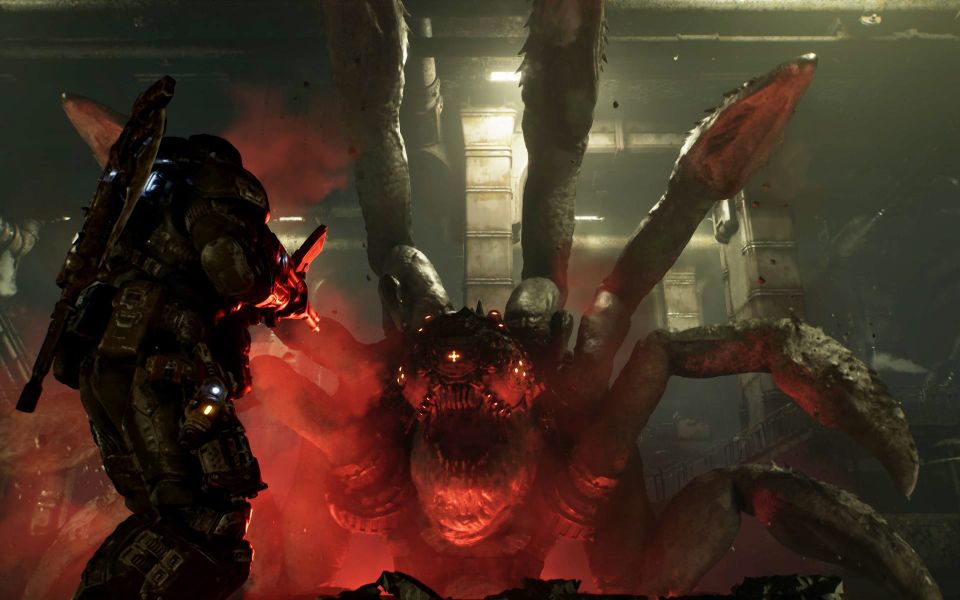
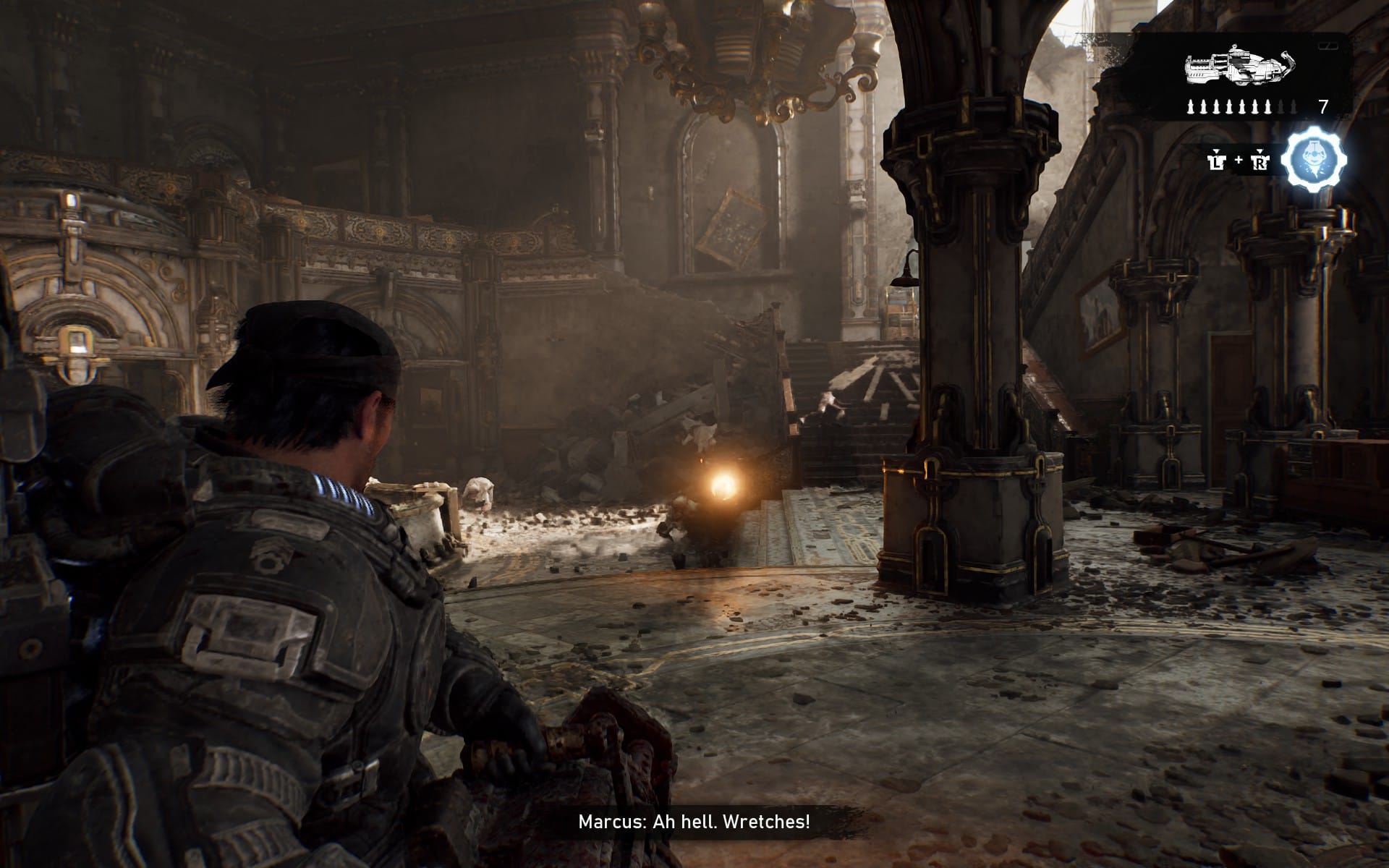
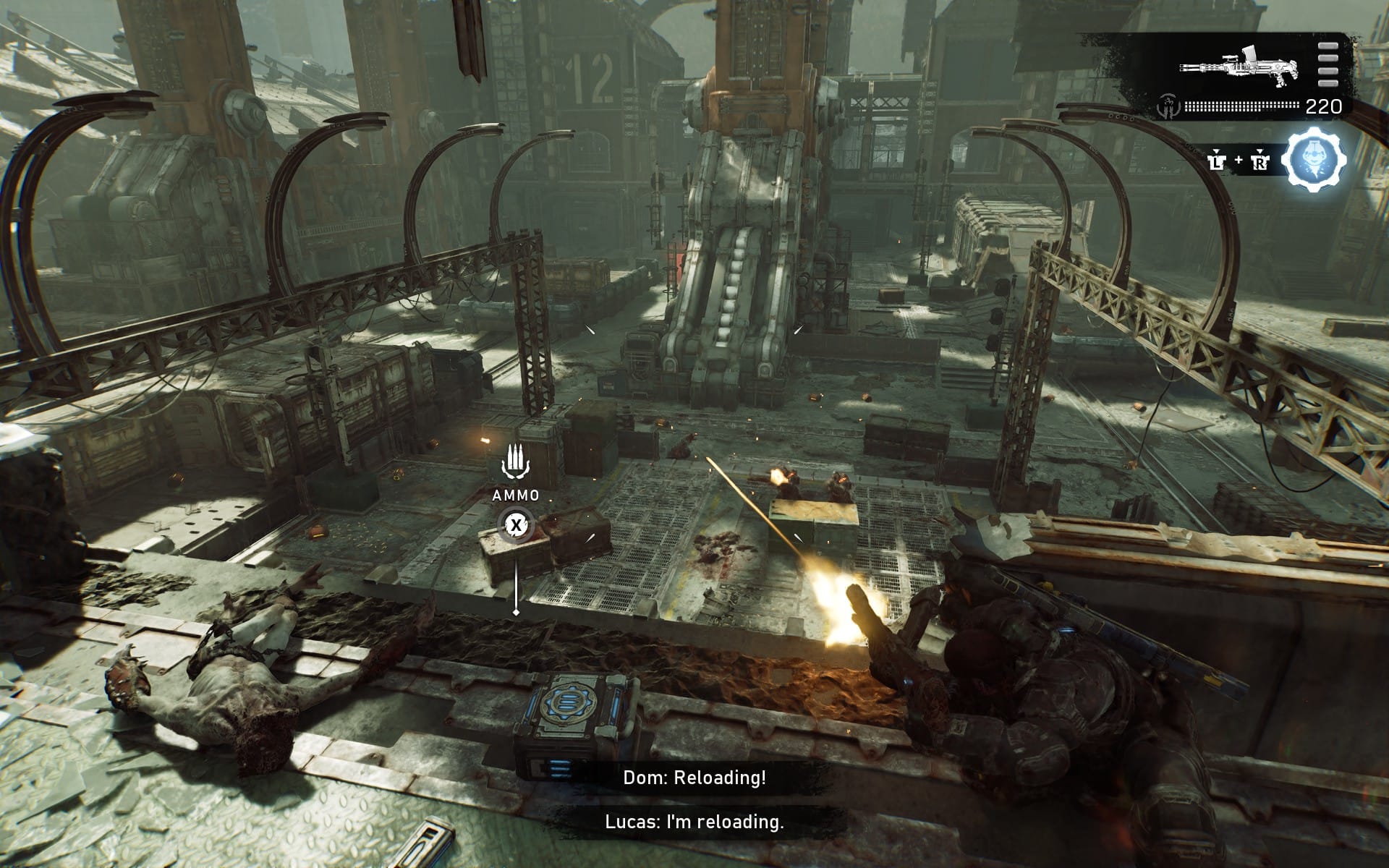
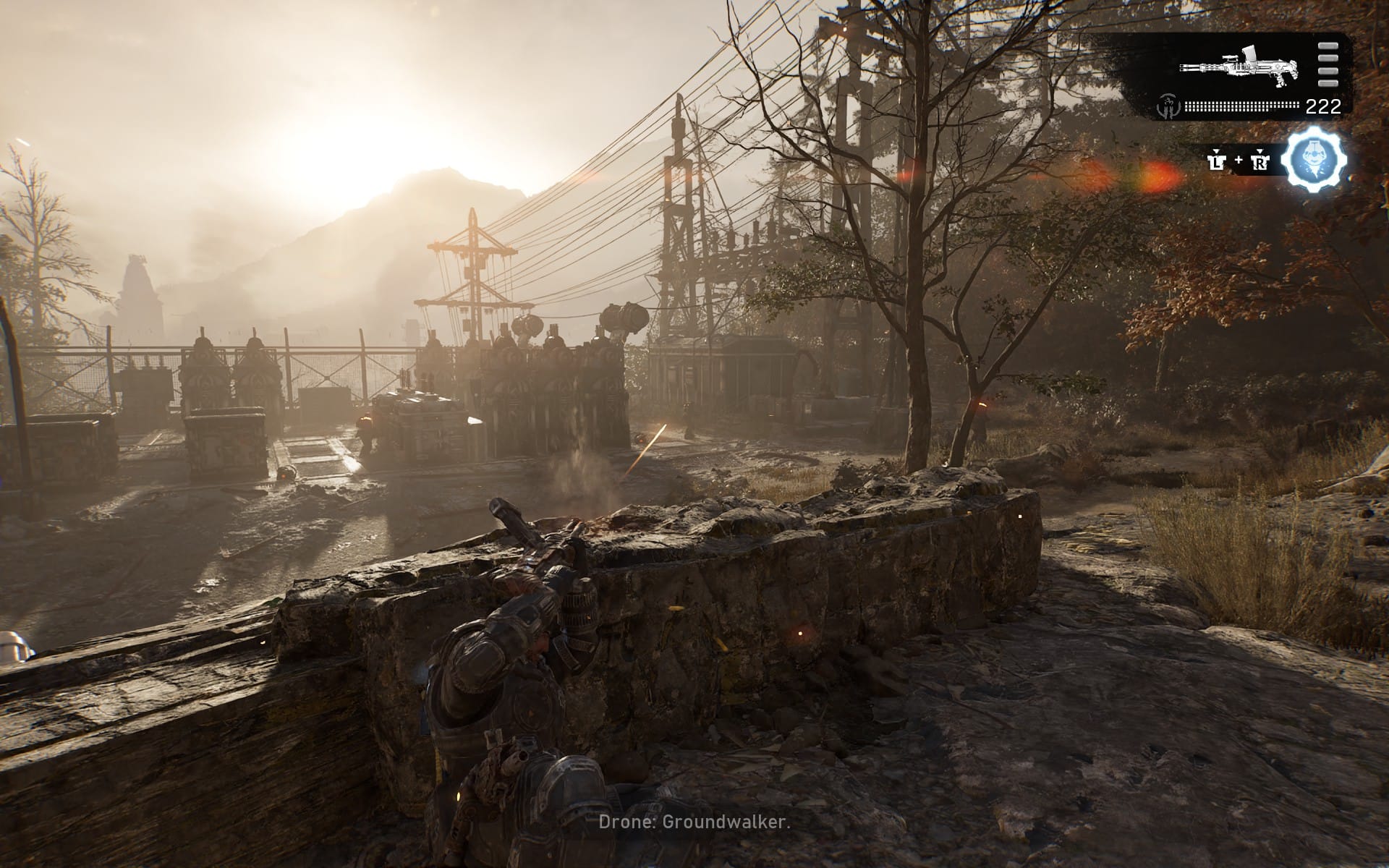
Gears of War: E-Day review

The hole shooting match

In a box somewhere, I have a polaroid of Cliff Bleszinski pretending to chainsaw off my head. It's a memento from a trip to Epic Games which I'd won in a fan-art competition by drawing a giant frog-monster. This trip, and the early hands-on I had with the very first Gears of War, formed the basis of a preview that turned into a 20-year-long incarceration within the games industry. I wouldn't say this makes me a superfan, but I can't help but look at E-Day—a prequel to or perhaps a tentative reboot of a series that so neatly maps onto what I unconvincingly call my career—with a mixture of rare nostalgia and crushing mortal dread. If only I could be rebooted too.

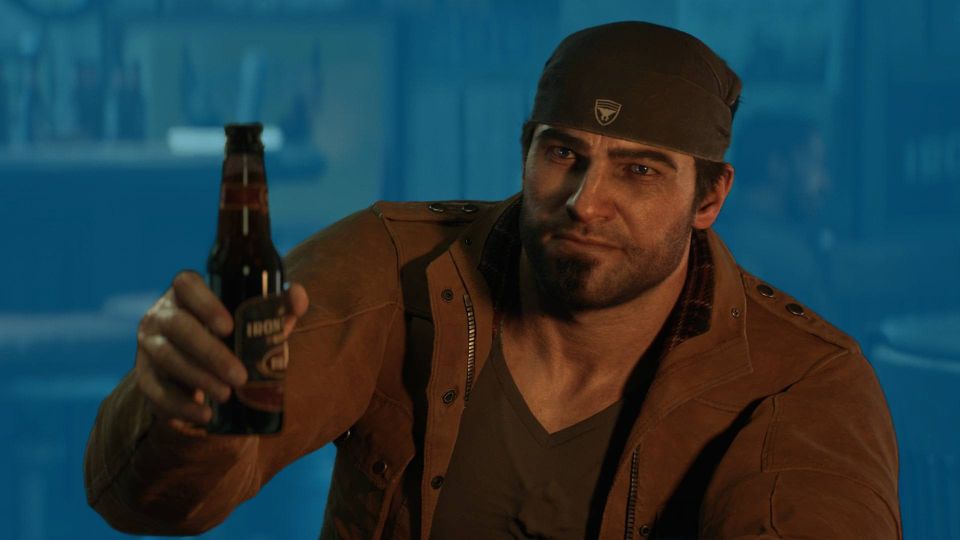
At least I can now get answers to the many questions that have tormented my every moment since 2006: How did hardbitten jarhead protagonist Marcus Fenix get that scar on his ultra-wide chin? Which Archimedean genius invented the chainsaw-gun? And, primarily, what were the events of "Emergence Day", when the Locust—a league of hideous subterranean creatures—first popped out of their burrows to wreak planetwide horror upon humanity? If these were questions that you had never really been tempted to ask, then no matter: this game serves as both a fresh introduction and the most potent distillation of its cover-shooter core to date. So pure indeed, that E-Day does not believe it needs any other sort of distraction across the course of its 20 hour-long campaign. To the combat designers' credit, it's almost true.

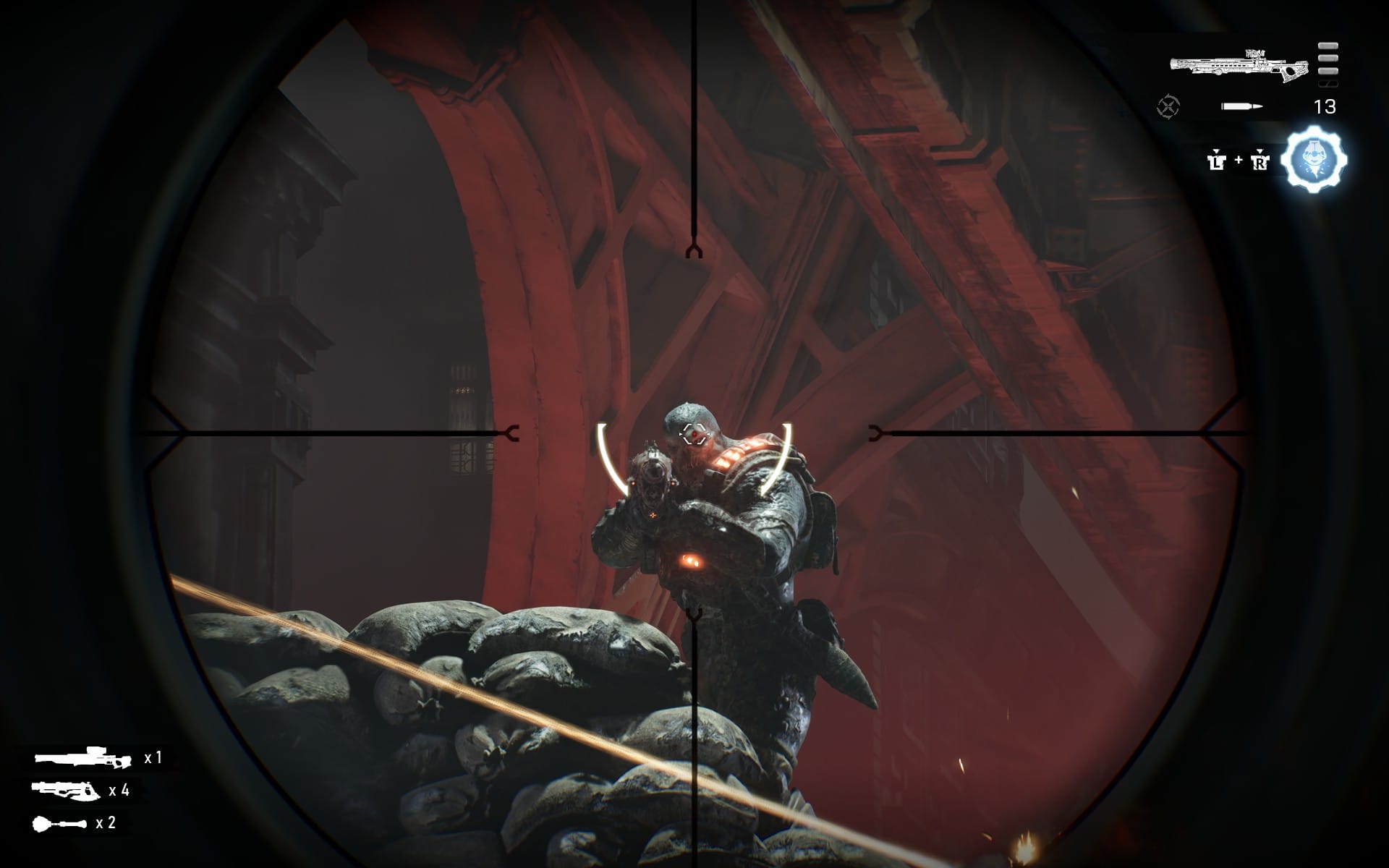
Amid the ubiquity of cover-shooters that followed Gears' release, and because of the game's own wilfully obnoxious, frattish tone, it's easy to forget or overlook what made—and now makes again—Gears' tactical combat so clever, taut and tactile. Beneath the gleeful head-stomping, chainsaw-revving bloodshed is a game about quick thinking, positioning and coordination, with players forced to adapt their defensive formation to counter the increasing pressure and changing threat of their foe; or to break an intractable deadlock with suppression, distraction and flanking.

This post is for subscribers only (it's free!)

Already have an account? Sign in.
The homepage is over but you can signup for more
You like more, right?