Good morning, videogames. Except it's not morning. I have finally failed to deliver this article on time, as I'm away from home at the moment doing other things. Forgive me. We'll add an extra tier to our new subscriber goals at which I will be flogged. In the meantime, a collection of links awaits you below.
The second collection of Metal Gear Solid re-releases is arriving next week, and Polygon's Giovanni Colantonio revisited the fourth game in the series to talk about what's aged well, and less well.
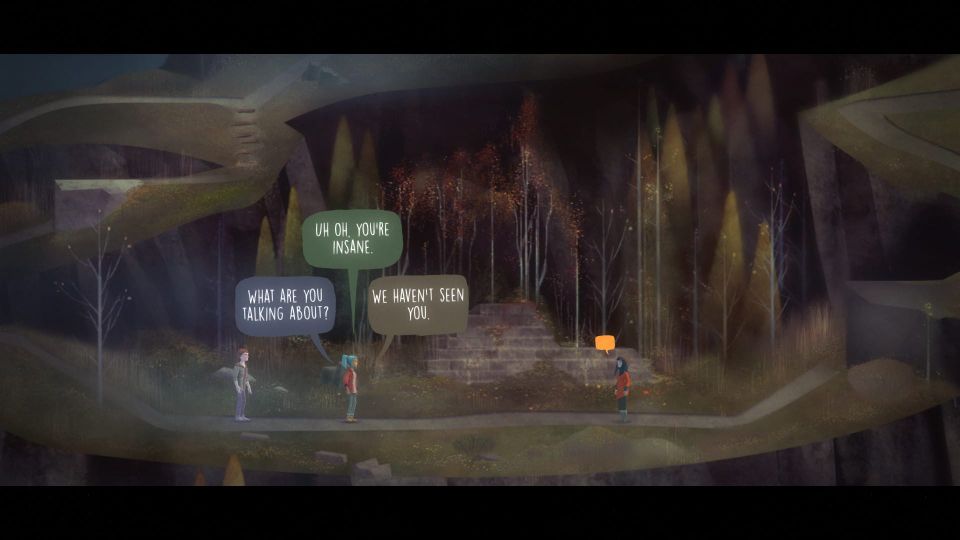
But the poorly aged stealth action is far from the most shocking thing about Metal Gear Solid 4. Instead, it’s how direct Kojima is about tackling political issues without mincing a single word.
I love brush-based level design. Brendon Chung loves it too, and his opinion matters more as the maker of 30 Flights Of Loving, Quadrilateral Cowboy and Skin Deep.
It’s intentionally and specifically not a general-purpose tool designed to do anything – and I think that’s great. It’s built from the ground up to focus on authoring geometry for 3D game levels, allow you to make it as easily
It has been a big week on Jank. By far the main event was Brendy’s extensive explanation of why he doesn’t like auto-battler games, which continues to rack up online commentary from the tiring “let people enjoy things” (he at no point suggested they shouldn’t) to the intriguing “there is a semi-arbitrary distinction between game feel rooted in physical movement and game feel rooted in UX design” (busted).
My point is not that these games make us lesser players or lesser people. It's just that they're not half as interesting or groundbreaking as their huge sales numbers and endless praise suggest. Just because something is powerfully psychologically compulsive doesn't make it good art. Just because something eats your time, doesn't make it worth your time.
So much of our life is already made slick with the grease of automation. It is absurd to think of anybody wanting the self-reading book, the self-watching movie. Why would I want the self-playing game? The whole distinction of games as a medium is that they are about doing stuff. The game that leans more and more towards autoplaying threatens to
What a week it's been. You must be eight or nine months into the school summer holidays by now? Twelve or thirteen heatwaves, effectively one never-ending nightmare of sweaty necks and bleached grass? At least the weekend is here, when you get to put down childish things (the arbitrary strictures of work) and instead commit yourself to the pursuit of being human via the medium of videogames.
I'll tell you what we're playing this weekend if you tell us yours.
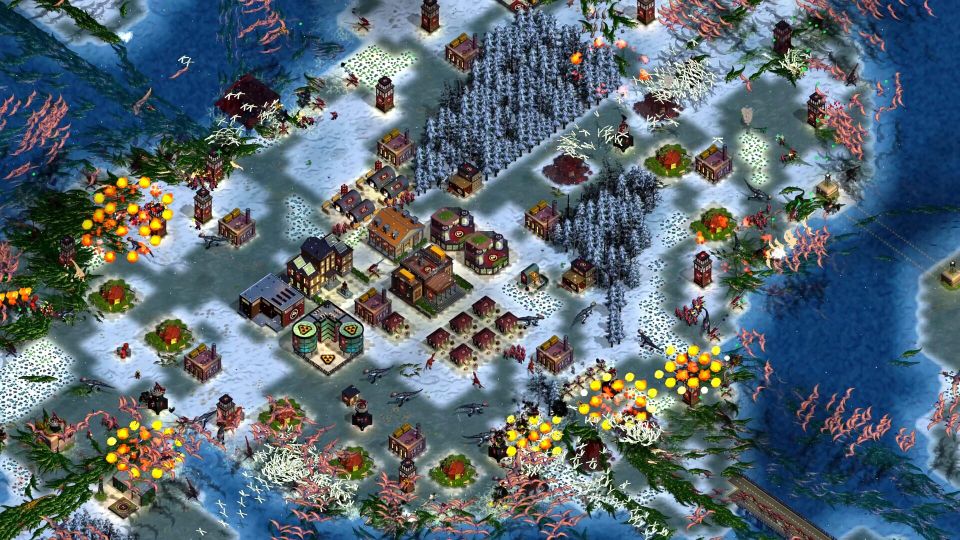
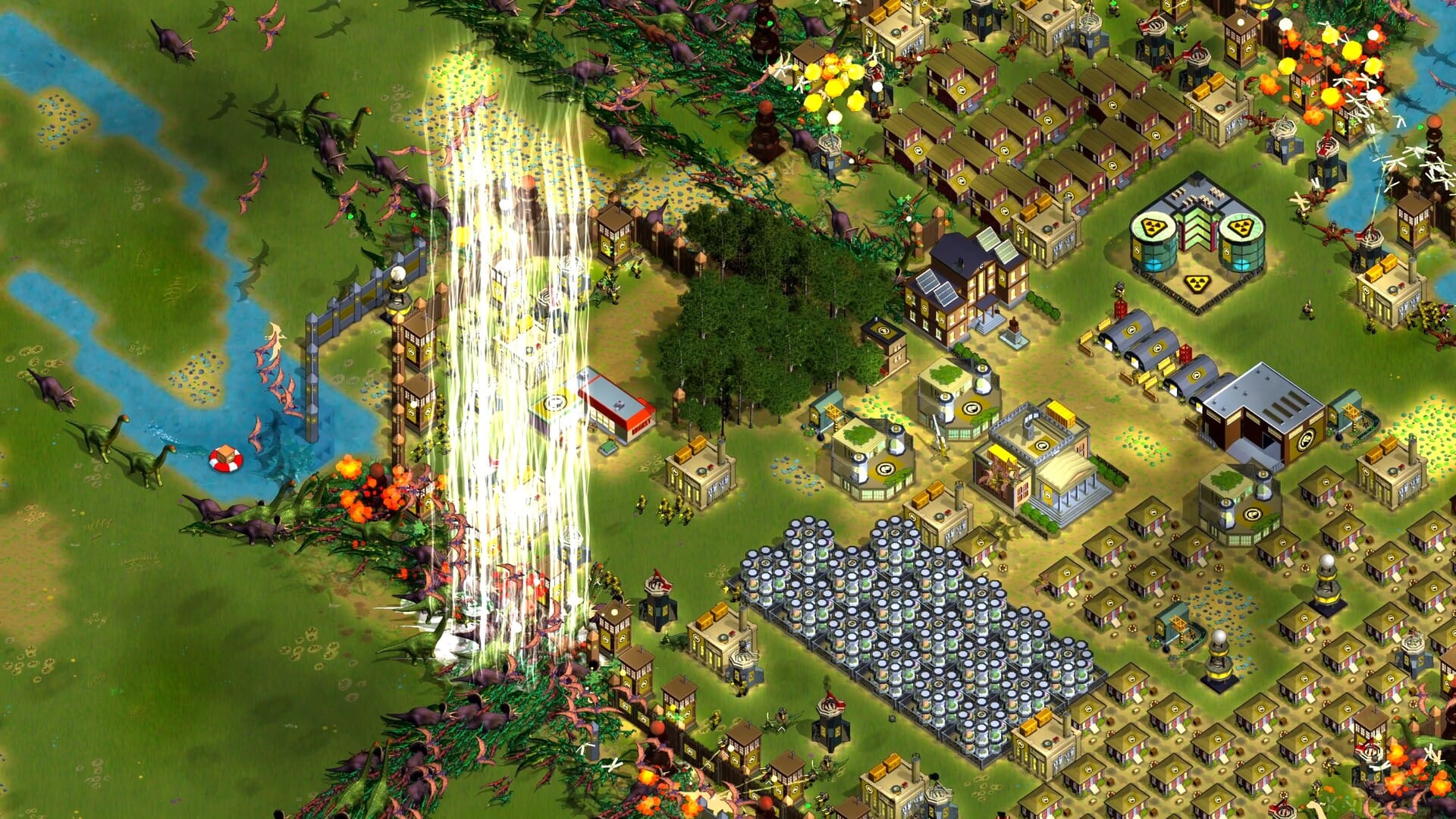
I grew up watching Saturday-morning cartoon Denver, the Last Dinosaur (he's my best friend and a whole lot more). But what if Denver wasn't the last dinosaur? What if there were, in fact, too many Denvers? This is the nightmare scenario posited by Repterra, a "base-building survival RTS" in which you can ultimately turn dinos into your best friend and a whole lot more, where "more" means using them as mounts in your forever-war against their kin.
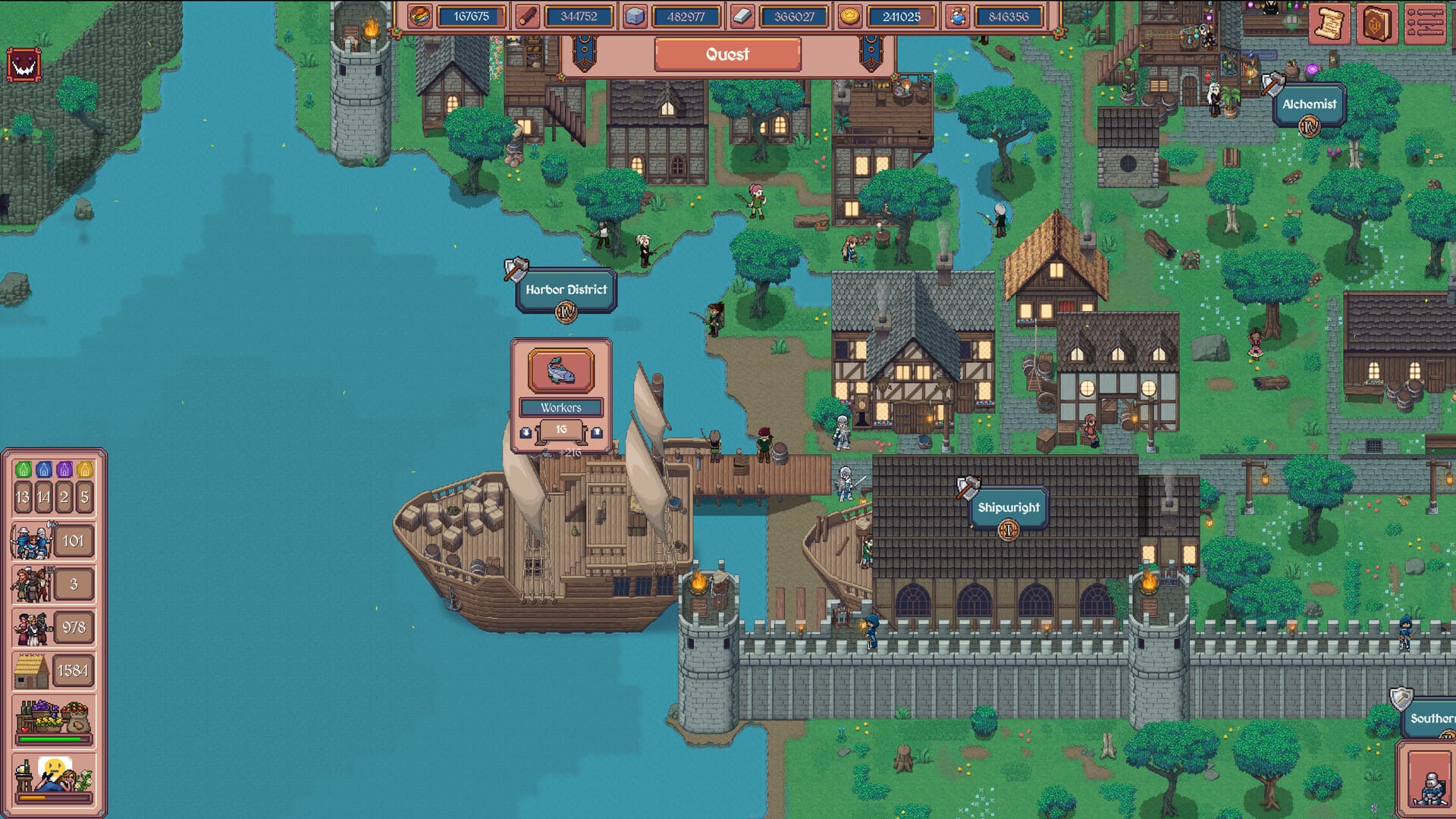
Brendy Caldwell, Videogame Cop might have outlawed games that play themselves, but I'll continue to smuggle contraband incrementalism into the pages of Jank. Hearth And Hamlet promises "relaxing idle
Total Playtime is the official Jank podcast, funded entirely by our paying subscribers (and formerly our backers on Patreon). This week’s episode is free, but subscribers get additional episodes every other week. You may join them by subscribing here, and you can find all previous episodes here.
Alice and Nate were both unavailable this week, prompting Brendy and I to realise the crushing shortage of local whimsy in our lives. Our daily existence is simply devoid of rural oddities or freestyle whimsy that lends itself to a banging cold open, so we ended up with several minutes of middle-aged car chat which Brendy heroically drags back to a gaming reference.
Those matters aside we turn to the matters of the week, chiefly Saber’s CEO lashing out at a departed writer who handled it by having a great night out that ended in karaoke, which is the sort of karmic vengeance we should all aspire to. Plus: good philanthropy yet with concerns about whether philanthropy can actually be good, the ongoing destructive instincts of large corporations, and big walks with medium guns.
Our music is by God Ribbon, our art is by Marsh Davies
Here’s what we will do if more of you all support us
Seven months into Jank’s life, we have finally put up the paywall, compelling more readers to join the exalted ranks of the discerning literati who have backed us from the beginning. Now, it is time to start tempting more into joining the fold.
At the time of writing, we have been blessed by 747 paying subscribers, bolstered by a series of folks who've contributed one-off donations. We are hugely thankful for all of them: we're grateful that people want to support this sort of website, and we're only able to do it thanks to their generous support. Our audience is small, but perfectly formed: the Discord remains a chill and pleasant place to be, and spawned a dedicated channel for pet photos right on schedule.
The founders do not currently draw any salary from Jank. We are doing this because we want it to exist, and to endure without exhausting obligations to traffic and advertising. The income from subscribers covers our hosting costs for the website and podcast, plus other business expenses, but it’s mostly going on paying other writers to contribute posts to the site: every new subscription will go towards
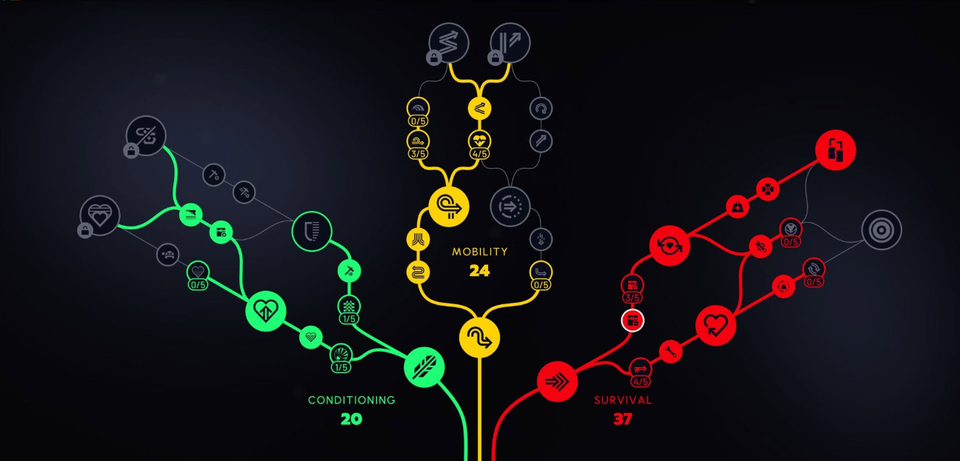
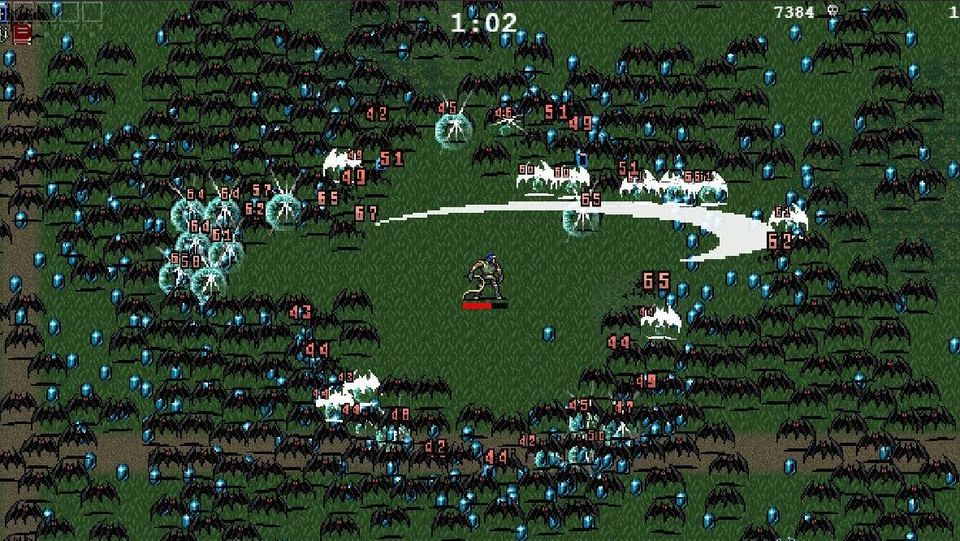
Maybe you've observed this too. There's a line some games cross past which you no longer feel like you're playing the game. The game is playing itself, and you are there to be fed feel-good brainjuices. I'm not talking about idle games - you're doing something, but you're not really doing something. Sometimes you click a glorified "next" button and flashy numbers rocket upwards. Sometimes you put a pip into a skill tree over here, instead of over there. Poncle's bestselling bulletnothing is the leading exemplar of this. I think it's rubbish, partly because it feels like treacle. But mostly because it is accelerating a dull trend in game design: to make the game auto-go while building a coffin of upgrades around the player until they have precisely zero thoughts, swimming in whatever the opposite of a sensory deprivation tank is, flooded with dopamine. Death, I say! Death to the self-playing videogame.
Vampire Survivors is not alone in hoodwinking me into the sensation that I am doing something when in fact I am a sad void pressing left and then right. Loop Hero sets your hero autotumbling around a circuit of monsters, and the closest it comes to having meaningful decisions is in the basic Carcassoning of resource and monster tiles. Ball X Pit is a roguelike ransacking of a classic arcade brickblooper with autofiring bullets. It eventually contains a full admission of defeat to the automaton approach to game design: an unlockable character called "the Radical" who will play brickblasting runs on your behalf and choose upgrades without any input from the player whatsoever.
Vampire Survivors turned a basic shmup into a karmic hamster wheel. BallXPit is an LCD brickpong toy running on cruise control.
The self-playing game automates a primary verb of play. That is a fancy way of saying: Me no shoot, game shoot for me. It then gets you as fast as possible onto a trundling treadmill of dopamine and ostensible progress, while sort of reminding you of another game you played before. The physicality of this "kernel" genre underneath is not really needed. It just needs to look like bullet hell. It just needs to seem like Breakout. They can become lauded, successful games, praised for their addictive charms and approachability.
To me, they are automated fun. Poisoning hand-to-eye happiness with the anti-activity of the idle game. We are lurching toward the idlefication of all genres. Why stop at Asteroids and Breakout? Let us automate Doom. Let us automate Street Fighter. Let us automate Rogue. You think I'm joking, but somebody is already working on the latter and it's giving me a bad case of the squinty eyes.
Self-playing games take microdecisions away from you in favour of macrodecisions. You don't need to choose where to aim your gun every second, but you will need to decide what ammo upgrade to select for the next level. This is an inviting approach for game designers (and not unique to the self-playing game). It allows designers to sidestep the difficult psuedoart of "gamefeel", and player skill becomes less of an issue to account for. You can focus on the metagame, the upgrades and abilities and perks and extras. The exofun. All you need to do is make the braintickling numbers work, and then make it look flashy.
But what if some genres are the microdecisions?
If somebody automated Devil Daggers, I would stab them in the hands with a barbeque fork. If somebody automated Tetris, I would have them arrested. When a designer of a racing game makes drifting round corners feel the perfect balance of scrapey and buttery, this feeling can carry the entire racer despite how bad its story mode inevitably is. On the other hand, when somebody strips an essential verb out of Asteroids and claps on an incremental skill tree, I can't help but feel they have piggybacked on the physical feeling unlocked by bygone engineers to deliver what is effectively Cookie Clicker under the hood. This is not a revolutionary new form. It is Candy Box sans the sense of humour, with a lobotomised arcade classic attached.
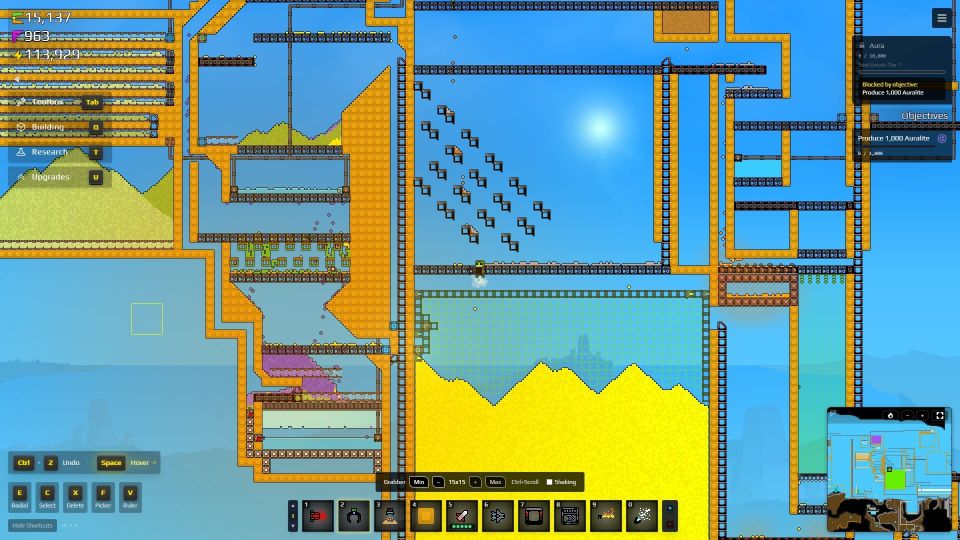
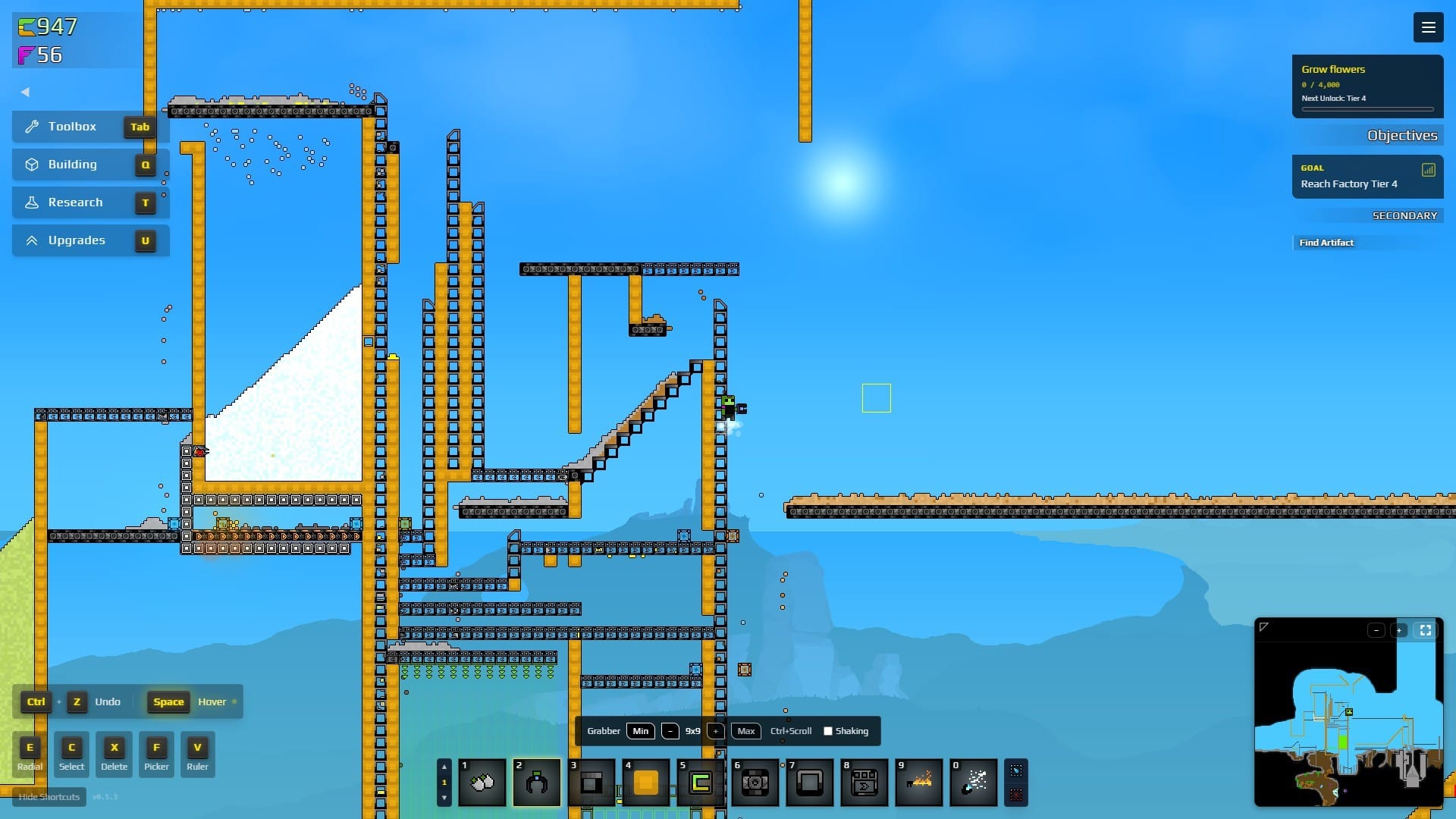
I started Sandustry on a whim at 8:15pm on a Friday evening. I was still playing at 2am. I went to bed, woke up at 9am, and immediately started playing again. It's rare that a game gets its claws into me like this. It's even rarer that I feel good about it.
Sandustry, now in Early Access, is a factory builder with a great hook: every pixel is physically simulated. Think Noita, but instead of a deadly roguelike, you're laying down conveyor belts and sorters to gradually process all the natural resources of an alien world. Factorio but with gravity. Satisfactory but I'm satisfied.
I used to think I had a complicated relationship with 'busywork games', the kind that give you a todo list of simple (and sometimes prima facie tedious) tasks, and invite you to decide whether the experience is a flow or fugue state. I love some of those games (Pokémon Pokopia, Turnip Boy) and flee almost instantly from the seeming pointlessness of others. I now think my relationship is very simple: some todo lists feel worthwhile and others do not, and it's a matter of design as to which is which. In other words, it is the games that are good or bad, not me.
This factory was hell but I was proud of it anyway.
Too often factory builders feel like they're putting artificial obstacles in my path and daring me to work hard enough to render the inconveniences moot. That power curve can feel good, but more often than not it feels too much like the bad kind of wasting time. I don't want to cup water for ten hours to earn a bucket.
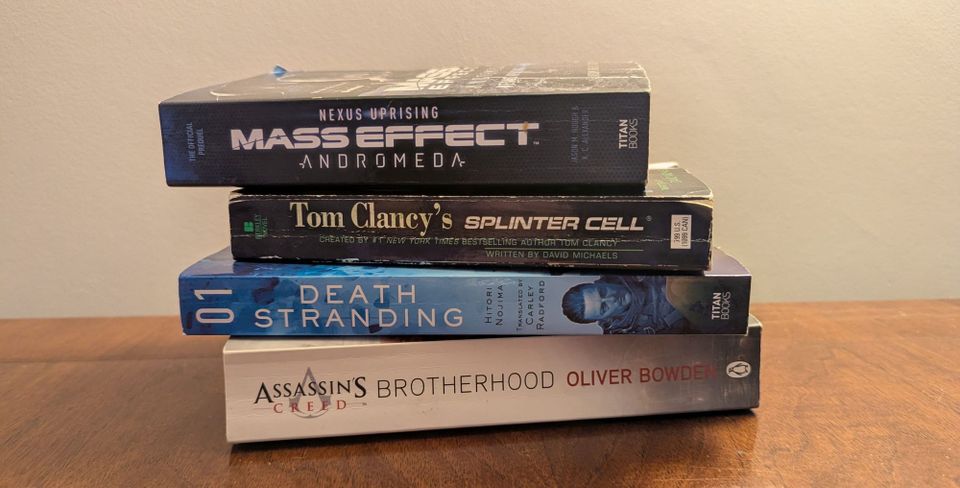
We created Text Adventure, our videogame book club, with sincerely open minds: we wanted to see how official novels intersect with, and perhaps elevate, the games on which they are based. The answer, six books in is: badly and emphatically not, respectively.
There is of course a tension between what makes a good book and what makes a good game. A novel, by definition, lives or dies by narrative; a game lives or dies by gameplay. An effective character in a game is one that’s distinct enough to be meaningful but flexible enough to bend to the player’s will; a character in a novel needs to be built such that the reader understands the choices they will see them make. Worldbuilding in prose can be done precisely and with the assumption that the reader is paying attention; worldbuilding in games is done via multiple formats by multiple people and with the assumption that the player will not notice unless you forcibly control their gaze, and even then, only maybe.
It is possible for a videogame book to bridge this divide, but based on our first season not all of them try. I don't want to just blame the writers for this: I suspect that they were commissioned on a flat rate with a hard deadline and issued with either a voluminous and unyielding brand bible or a marketing Powerpoint, or both, and made the best they could in the time available to them. It is technically possible to create something great under such circumstances if you try hard enough, but anybody who’s done creative work-for-hire will have found themselves coming up against somebody with the power of creative sign-off and zero-to-negative creative ability, and after a while you accept that it’s easier to just cash the cheque and move on.
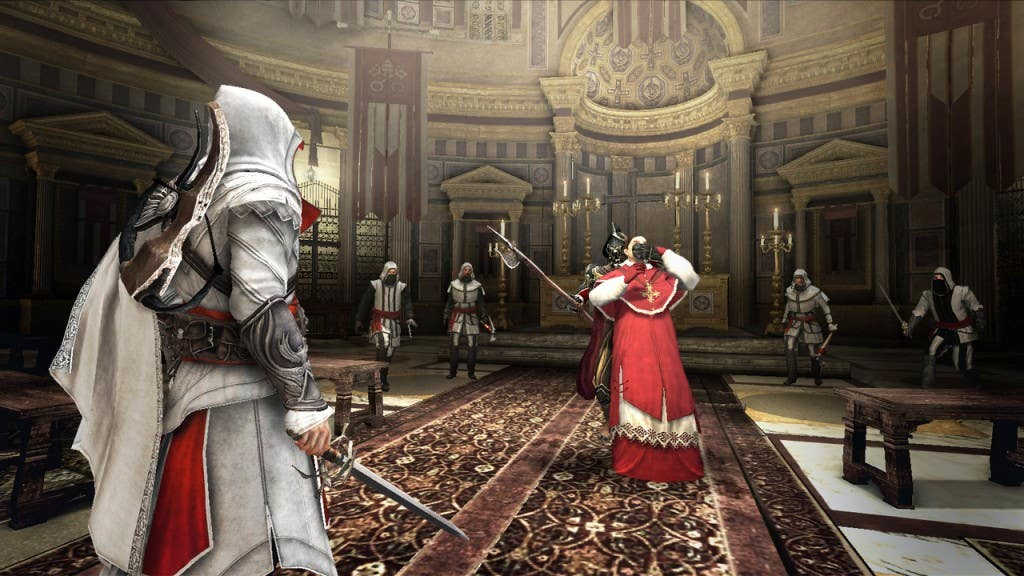
The nadir of our first season was Assassin’s Creed Brotherhood, a mesmerisingly terrible book which set out to include the entire game, side-quests and all, along with correctly capitalised references to the trademarked weapons technology. Its slavish reproduction makes abundantly clear how bad so many game stories are, because absent the engagement that comes from holding a controller it’s just a series of too many events with not enough connecting tissue.
You don't realise how much plot there is in an Assassin's Creed game until you have to read a 500-page summary of it.
This approach of ruthless documentation is doomed to fail because the vast majority of games are, necessarily, driven by what’s fun to play and the narrative is usually something that’s forced to align with that. The simplest solution is to separate the two entirely, like the visual novel-style conversational asides between characters that break up gameplay in titles like Tactical Breach Wizards, but the sort of game that’s big enough to get a spin-off novel invariably weaves its story into the game itself.