Three game devs climb a mountain

It's your turn to get over it, Foddy

"So, I assume the task is to climb that giant peak up there."

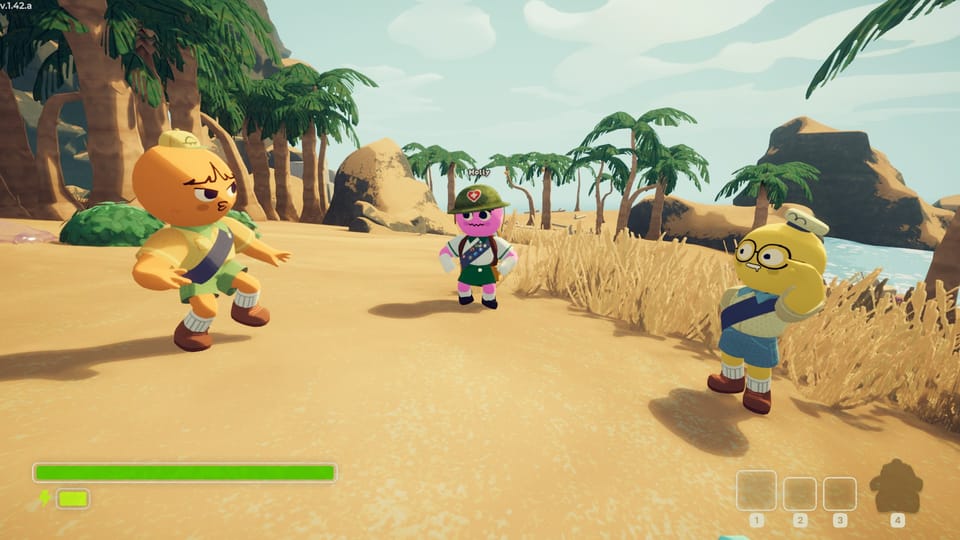
I look at the mountain and tell Bennett Foddy he is correct. The creator of Getting Over It and co-developer of Baby Steps has agreed to my unusual journalistic request. He must conquer a mountain in co-op climbing game Peak and answer my questions while doing it. And he won't be ascending alone. With us on the beach at the foot of this mountain are two other hardened developers of climbing games. Holly Jencka, lead developer of urban clambering sim White Knuckle. And Emeric Thoa, creative director of sci-fi alpine sim Cairn. They are currently rummaging through suitcases and collecting coconuts. I don't say it out loud but I have a strong feeling none of them will survive.

After messing about on the beach for a few minutes, I tell the trio they're "on their own". I'll be following, but mostly hanging back and asking questions. I want to see how three developers of climbing games will manage when faced with a mountain not of their own making. Maybe we'll uncover gems of game design wisdom along the way. Maybe we'll just plummet to our doom.
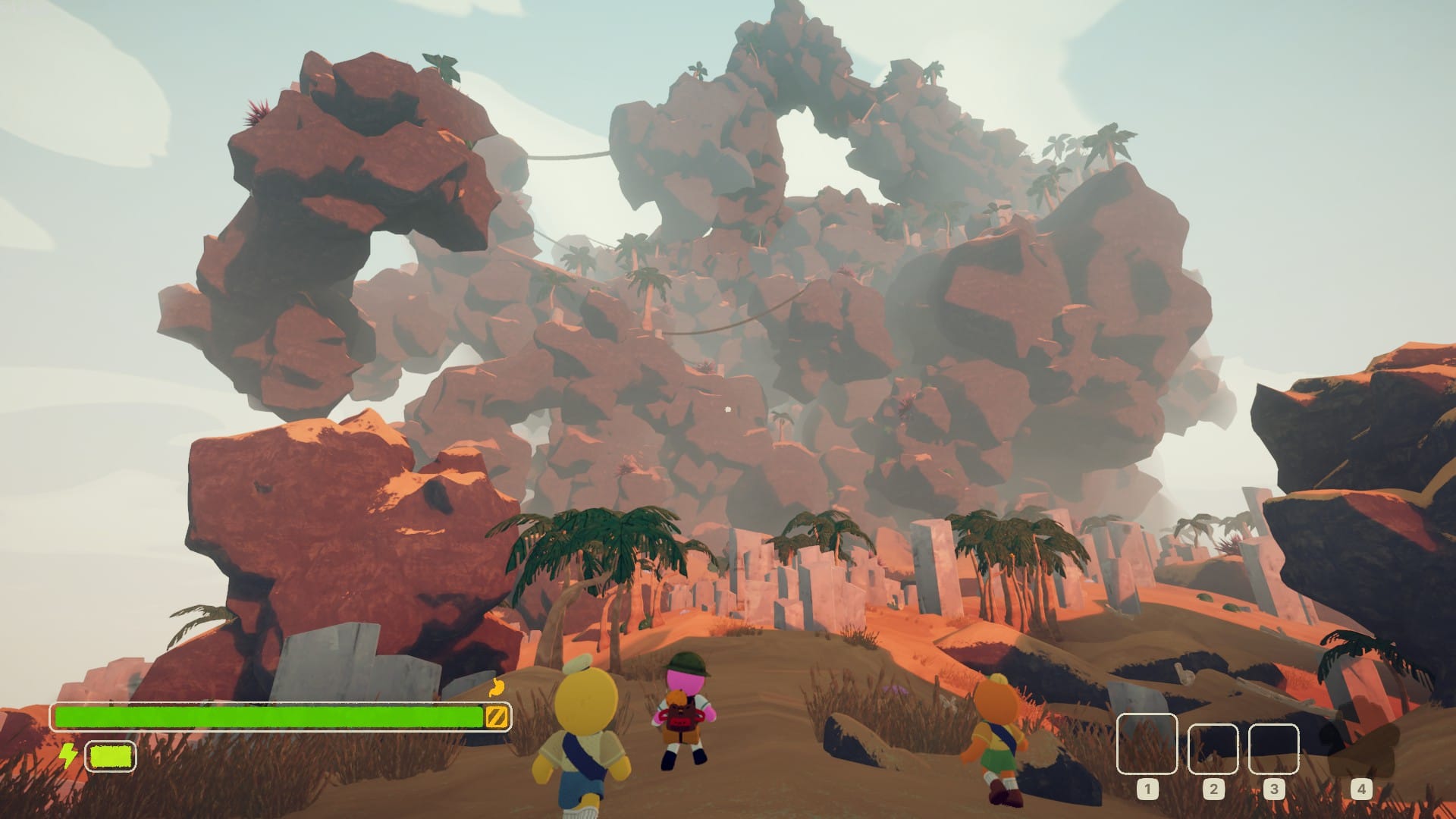
Three players stroll towards a twisting and rugged looking mountain.
Peak

The best games of the decade (so far)

Yes, we know it's not over yet

A list article is not how I imagined setting Jank up as a unique place to read about PC games. Everybody does lists. But the more we thought about it the more it made sense - we wanted a definitive rundown of our favourite games from recent years. We needed to offer you a taster menu.

This is not simply a list of cool games we reckon you ought to play, it's a way of telling you exactly who we are at Jank - what kind of sickos we are, and how to distinguish us from the other sickos. It's also a chance to stare one another down across a spreadsheet, sweating like three spaghetti western outlaws, chewing words in a tense standoff to see whether or not Balatro will make the cut. It does. [spits]

Our process was simple: we made a big raw list of all the games we liked even a little which were released between 2020 and now, and included many games that made an impact, even if we weren't that hot on them. This "shortlist" came to 172 games. From there, we cast votes. Any game with at least one vote from any of us

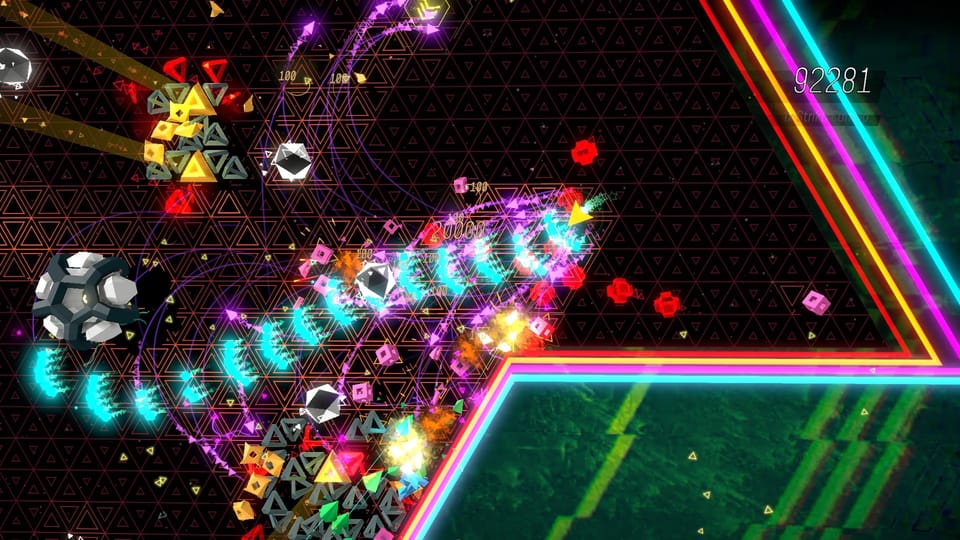
Sektori is a finely crafted adrenaline machine and I am a tiny baby

If I was a better person, maybe I’d want to play this brilliant shmup more.

Sektori is deeply unfashionable. It isn’t stacked with layer upon layer of meta-progression, unlocks, and permanent upgrades drip-fed to you incrementally over hours. Death does not send you back to a glowing neon house to fill with glowing neon furniture, or an entire neon village inhabited by sexy neon people who tell you about your sad neon backstory. 

It is, instead, pure videogame. Sektori is an arcade shmup in the (neon) vein of Robotron in which you are beset upon by (neon) shapes that kill you if they touch you. Death presents you with nothing more than a score and an invitation to try again.

The trailer alone gets my heart rate pumping.

That’s not to say it’s solely a retro throwback. That paragraph above also perfectly describes Geometry Wars, an obvious aesthetic inspiration, but Sektori has broader inspirations and plenty of ideas of its own. The arena changes shape during play. You have a dash move which destroys enemies, and which can be instantly recharged if you use it to collect tokens. There are four different types of token, which advance you along an upgrade track, or give you a temporary increase in fire rate,

Jank is partnering with Total Playtime


As part of our launch, Jank is partnering with the fine podcast Total Playtime, which not-at-all-coincidentally is hosted by Jonty and Brendy along with fellow veterans Alice Bell and Nate Crowley. It has been running for a little over a year and publishes free episodes every two weeks, or monthly for those who back it on Patreon

The free version of Total Playtime is available here, and every two weeks it offers:

  • Discussion of the latest PC gaming news
  • Judgements on the games we’re playing
  • Recommendations for new games
  • Updates on Alice’s dog and Nate’s cats
  • A recommendation every week of something that is not a videogame, because true satisfaction can only be achieved from a balanced cultural diet.

As part of the partnership, paying subscribers of Jank will get access to the paid tier of Total Playtime, starting from this Thursday’s episode. That means you get an exclusive members-only episode every two weeks, mostly about PC gaming, although the backing of our Patrons has permitted it to wander to some more esoteric places. Recent episodes have included:

  • Ranking game awards shows, because they covered the games already
  • Hypothetical product partnerships between major videogame franchises

Life at Telltale was “complicated”

"The whole point is to bleed a little bit for this"

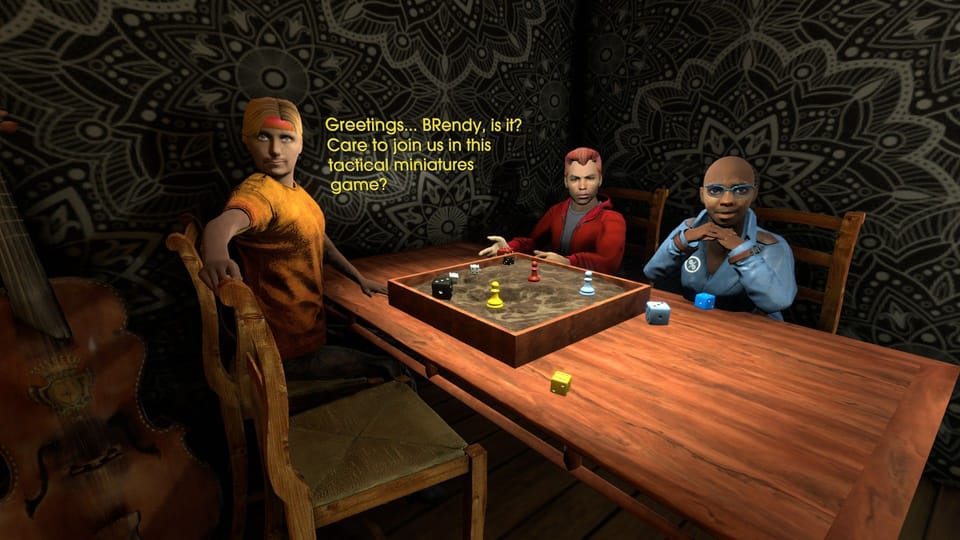
When survivors of Telltale Games get together, they tell war stories. I know because two veterans are speaking to me now, and they look into the middle distance as they tiptoe around the complex feelings they have regarding their time at the ill-fated studio. 

"The stories would just go on for days," says Michael Choung, who wrote for a handful of Telltale's games between 2014 and 2016. "Whenever Telltale people get together and talk," explains Choung, "it's not like 'what fond memory would you like to share with me, because I will share my fond memories with you!' It's always just like: 'Oh my god, that was happening to you? Oh my gosh.' Yeah, so it's a very complicated feeling."

I'm chatting to Choung in a video call alongside fellow Telltale alumni Nick Herman, director of The Wolf Among Us and choreographer across many Telltale games. He agrees things were sometimes messy, but would later sum up his time at the studio as "worth the squeeze".

"It's got to look like premium animated television," says Herman. "You got to look at it and think it's something that would be on Netflix."

Choung and Herman are now two

Why we are making Jank

Because if we didn't we would probably explode

What I want from Jank is simple. I want to find the good PC games, and write about them with an honesty and thoughtfulness that only independent ownership can allow. An oasis where good writing on games can live in peace. I want Jank to be a little tropical island you can visit, where you will always find me in the shallows, trousers rolled up, spearfishing for something interesting. Like Tom Hanks in Castaway.

Except I'm not a shill for FedEx. So I also want to fire autoplaying videos into the sea. I would like churn to take a backseat to quality scribbles. And if the noise of deals posts could please diminish into nothing, that would be nice. Perhaps paragraph-long headlines could also get straight into the bin? No worries if not. At the very least, I would appreciate a place where I can safely shit on Call Of Duty when annually called upon to do so, a high horse upon which to laugh at Leslie Benzies' latest disaster. What? You mean having your own site allows you to just do all that? Cool. 

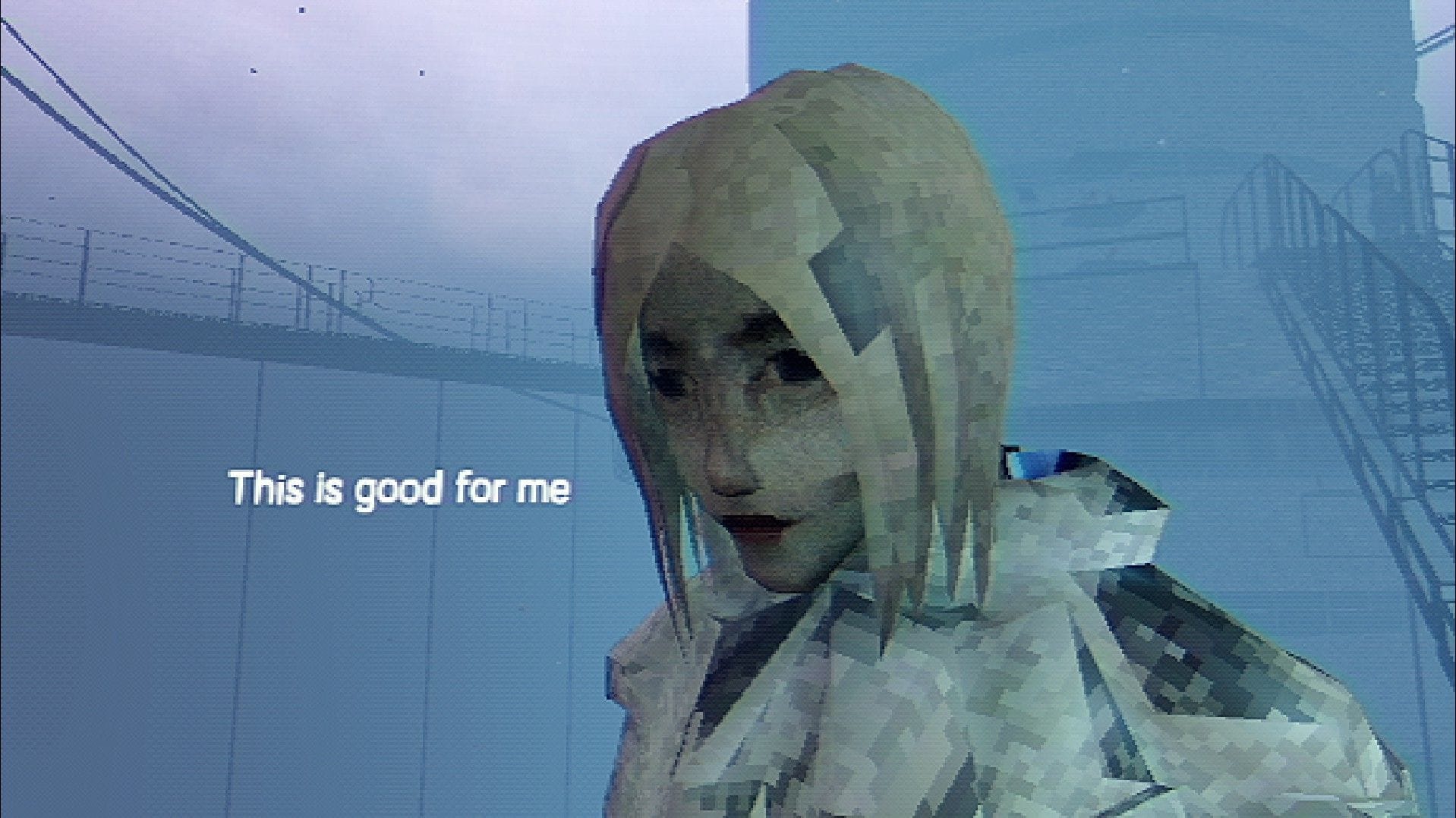
A woman with white hair looks dead-eyed toward the ground, saying "This is good for me".
From egg frying simulator Arctic Eggs, a tale of culinary independence in a hellish

Welcome to Jank

It's safer here.

I've been writing about PC games professionally since 2005, a time when popular opinion was that the platform was dying. The popular opinion was wrong, of course. Then and now, PC gaming is where the future is. It's where indie developers and modders are free to experiment, where experimental browser games can rub shoulders with mega-budget blockbusters, and where new genres are born.

Welcome to Jank, a new reader-supported website about PC games.

We're starting this site because we want to do the kind of work that's hard to maintain on a traditional ad-funded games website.

We should know. Jank is founded by Jon Hicks, Brendan Caldwell and me, Graham Smith. Between us, we have nearly 60 years experience writing about games, from running magazines like PC Gamer and Official Xbox Magazine to websites like Rock Paper Shotgun and Eurogamer. We know first-hand that even ad-funded websites with the best of intentions need to constantly chase traffic growth just to maintain stasis. 

You know half of this story already. Browsing the modern web means wrasslin' with notification popups, adverts that cover the articles and follow you down the page, auto-playing videos, affiliate links, sponsored content, and more. 

Perhaps

The homepage is over but you can signup for more
You like more, right?