Feature

When a lot of words gather in one place, be careful. It might be a feature.

Is Overwatch actually worth playing again?

Someone's been huffing the hype balloons

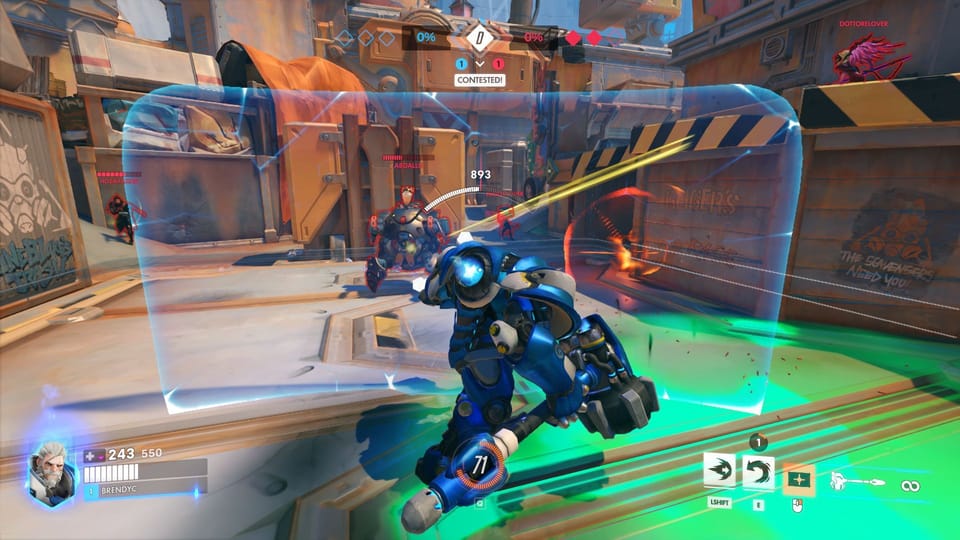
Last week a blitz of articles asserted that live servicey shooter Overwatch 2 was making a comeback, a conclusion that presumes the hero blaster had ever "gone" anywhere in the first place. PC Gamer called it a long-in-the-works "glow-up", a fairer assessment than Kotaku's grandiose statement: "While you weren't looking, Overwatch put its crown back on". Neither article examined the hero shooter and how it plays today from the position of a long-lost player, instead providing a summary of changes and dramas over the years. The recent influx of press has more to do with a PR push developers Blizzard have been making to bring attention to an (admittedly large) update that adds five new heroes in one day. The silliest part of this update is the decision to rebrand Overwatch 2 to simply Overwatch, a walking back of the sequel's grand intentions so clownish that it resulted in some more fun headlines

So, the natural question arises: is Overwatch actually good again? Was it ever even "bad"? Maybe if someone - I dunno - replayed it and wrote about it, we can find out. So let's do that.

For context, I loved Overwatch but stopped playing in 2018
Three game devs climbed a mountain - epilogue

We've Peaked

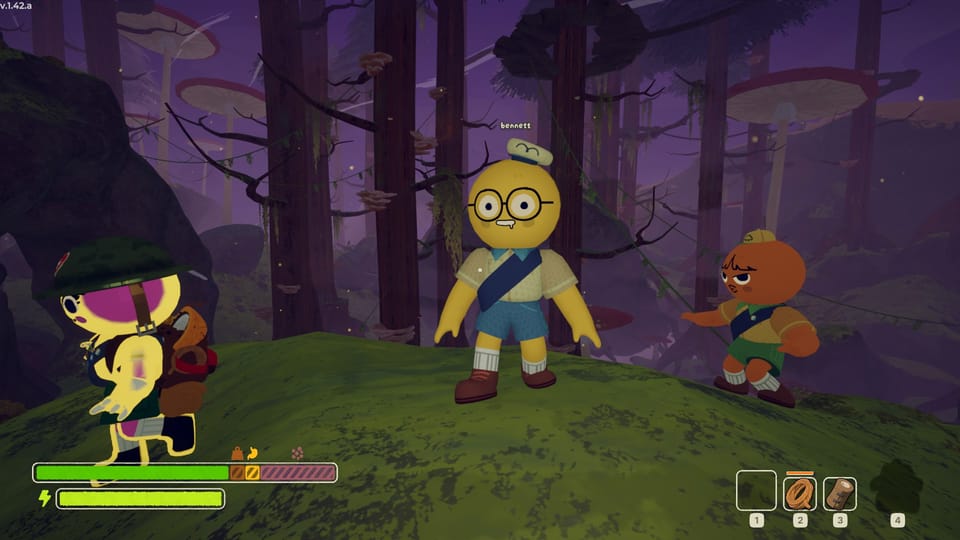
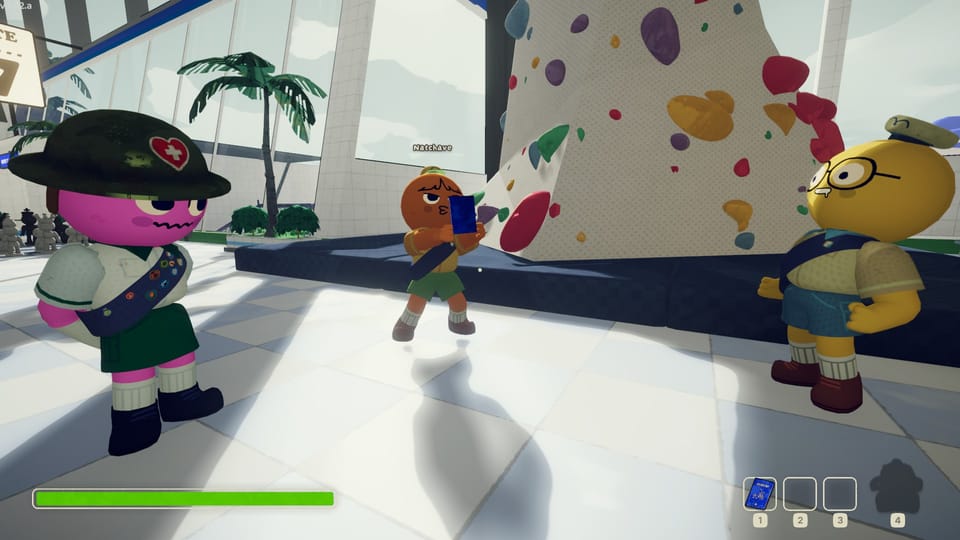
So all of my interview subjects died. Big deal. We learned some things along the way, didn't we? Back in Peak's lobby (a cartoonish airport you can play around in) the developers and I have a debrief. Is there anything they've learned while playing Peak - apart from the fact that having friends is fun?

"Don't work on a game for five years," says Bennett, referencing the fact that Peak was reportedly made in just a few months, yet has sold a huge number of copies.

"Yeah," says Holly, "that's a big one, honestly... it shows how you don't need to spend a huge amount of time if you just go in with a really simple premise and kind of extrapolate your idea from there."

"Yeah, do a little less," laughs Bennett.

For a full list of articles in this series - click here

What do they think of the game itself? What's interested them most about it?

"I think it's really interesting, especially in multiplayer, if I look at the 40 minutes we've played, we've obviously climbed, but also I've been fed,

Three game devs climb a mountain - part 7

Ain't no mountain tall enough (except this one)

I wait around at the bottom of a tree for Bennett Foddy to scramble up the bark, desperately looking over my shoulder for undead threats. I would like the game designer and noted moral philosopher to climb quickly and offer me a hand from the platform above. But he has circled back to a question I asked some time ago about resource management.

"For Baby Steps," he says, climbing painfully slow, "at some point we must have decided we didn't want resource use, but I don't know why. I think partly it's because we got so allergic to implementing UI... and that makes it really hard to have resources."

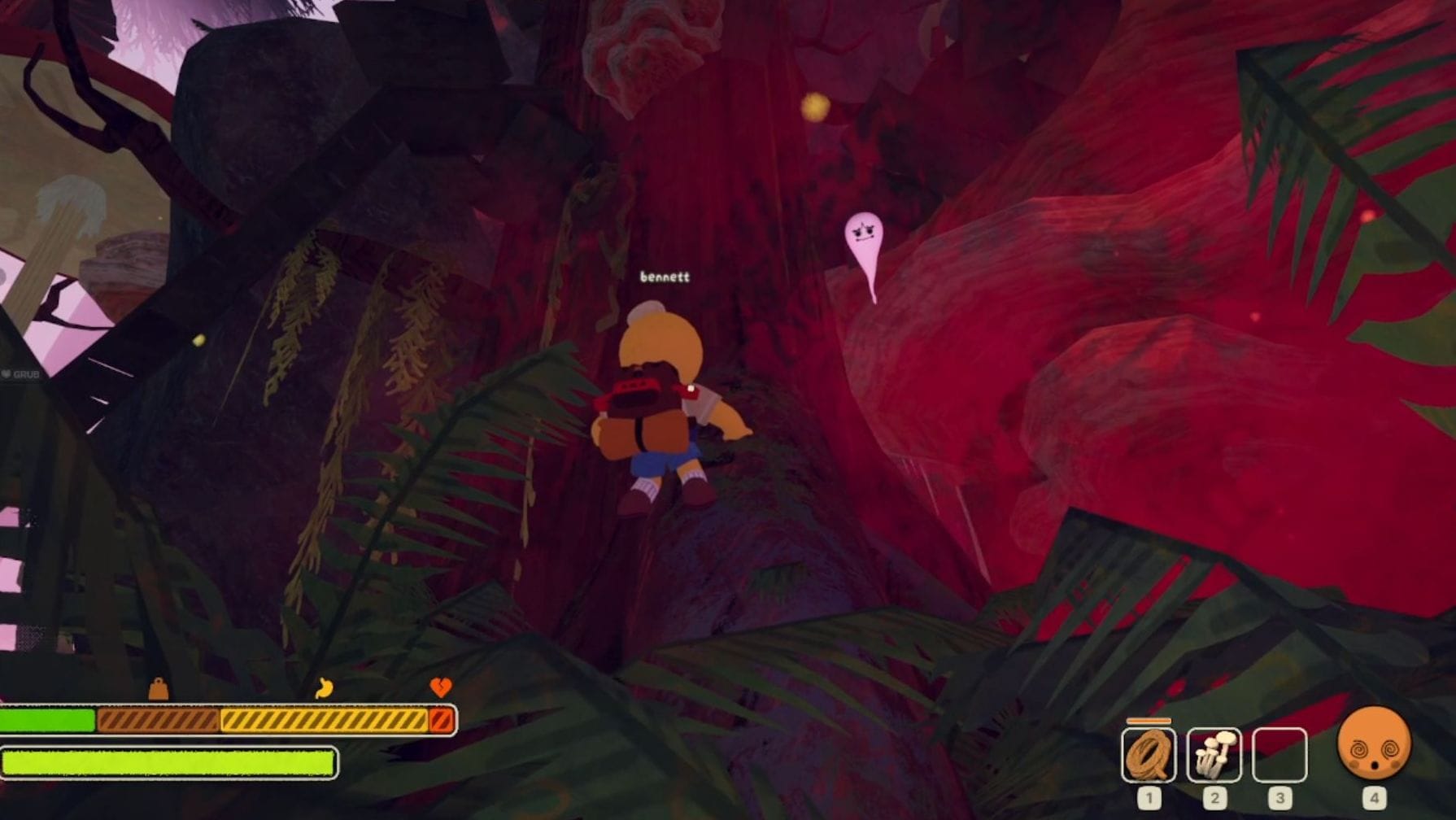
Bennett climbs a tree as Holly's ghost watches on.
Okay, no, yes, of course, but also: climb faster please.

Bennett runs out of stamina and falls from the tree. He is lightly hurt. I hear zombie noises nearby. I put down the heavy, unconscious body of Emeric Thoa for a moment (I'm sure he'll be okay) and try to climb the tree myself.

Beneath me Foddy continues to talk about user interfaces and how they can get in the

Hey! Listen! Here's why games use 'nag lines'

Sick of characters pestering you to "go this way"? This is why it happens

A few months ago Metroid Prime 4 was shown to press, and caused a small, localised stink in the chattosphere. We don't care much about Nintendo games at Jank, and I have no emotional stake in Metroid (Samus is the Ninty equivalent of John Halo - an extremely boring person vacuum-packed in fancy metal) but I do enjoy divining the stinklines that emanated from the first-person shoot 'n' splore, and the complaints by folks who got hands-on time with it.

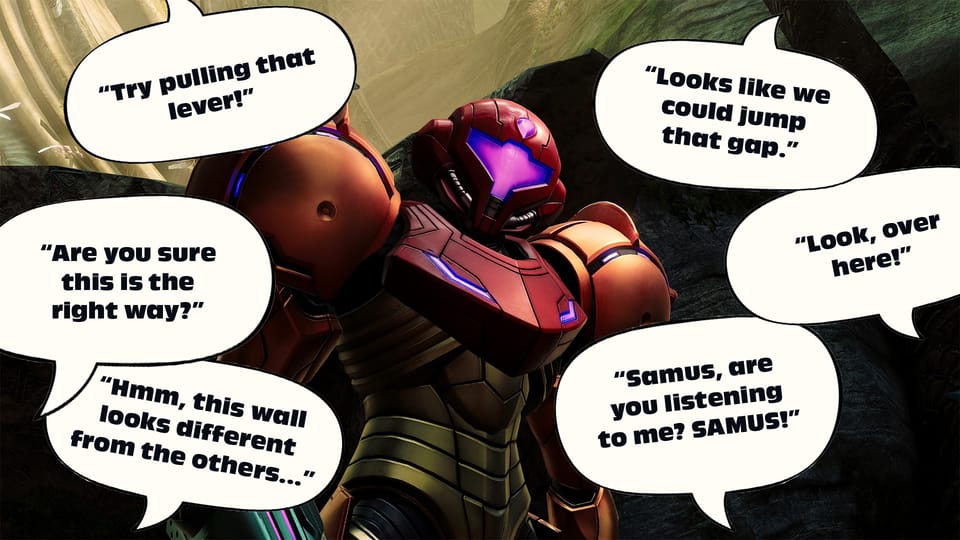
The odour was familiar: a sidekick character would verbally needle you about performing the next correct action. "Samus, there's something interesting over there," a sidekick called Myles will say if the player strays too far in one direction. "Are you sure we don't need to use that?" Somebody in the resulting shiteswirl of social media discourse called this a "nag line". A succinct moniker for a trend that has existed in games for a long time without being given a name.

Nag lines are common enough, you'll know one when you hear it. Spend ten seconds inspecting a cool-looking prop while an NPC waits by a door, and they might say: "This way, McBloke, we've got a war to win!

Three game devs climb a mountain - part 6

Cannon Foddy

"This is a thing that roguelikes and climbing games have together," says Bennett Foddy, completely unfazed by how close to death we are. "Which is that you carry the things that go badly for you. You carry them forward into your run, right?

"There's that thing that roguelike designers talk about. About how a roguelike can be 'flexible' or 'inflexible'. If it's flexible, it means that you can always turn it around to your favor and do your preferred strategy. And if it's inflexible, you have to roll with whatever happens in the randomness. And this one feels like we have to go with whatever happens, right? But I think that's maybe typical of climbing games."

What has happened is that we are all exhausted, poisoned, starving, and injured. I don't know how "flexible" or "inflexible" the others feel, but I do not feel particularly well-treated by the game's dice rolls. Holly stops us on the next ridge.

"I have an item," she says. "I don't quite know what it does. It's called Pandora's lunchbox."

There is a ripple of sound

The Lie-In

Our weekly roundup of links worth reading.

Good morning, videogames. As Football Manager is to Championship Manager, so The Lie-In is to its predecessor. Which is to say, sure, we no longer own the rights to the name, but the database and engine are still right here. Let's gather up some links worth reading from across the past week of t'internet.

Mothership is a new reader-supported website aiming to be something like "Teen Vogue, but for games". It's queer and women-owned, independent, aims to create an inclusive community, and will publish "writing and perspectives that specifically focus on gender and identity as they relate to games." You should read it and subscribe if you can. To highlight a specific article, I enjoyed Nicole Carpenter on why Gunpla is for the girls:

Gunpla, like lots of other stay-at-home hobbies, saw an international boost during the COVID-19 pandemic's lockdown restrictions. Not only were more people — including women — building models, but they were also livestreaming their processes and watching others do the same. That new group of enthusiasts continued to grow with the 2022 release of Mobile Suit Gundam: The Witch from Mercury, which included the main series' first female, queer protagonist.

The Bathysphere, the wonderful newsletter from Christian Donlan,

The Reviewer's Guide To Game Reviewers

The Reviewer’s Reviewers may only be judged by God (if unavailable, Digital Foundry)

This week Larian boss Swen Vincke, a man never short of an opinion, donned the cursed sash of Twitter Main Character with the suggestion that games critics should be subject to their own Metactritic-style judgement, just to see how they like it.

“It’s easy to destroy things, it’s a lot harder to build them," he wrote on X, a platform I’m not going to link to because I don’t want to expose you to all the horrifying footage it contains. "The best critics understand this. Even when they’re being critical, they do their best not to be hurtful.”

An image of a Tweet by Swen Vincke that reads "Sometimes I think it'd be a good idea for critics to be scored, Metacritic-style, based on how others evaluate their criticism. I like to imagine it would encourage a bit more restraint. The harsh words do real damage. You shouldn't have to grow callus on your soul just because you want to publish something."
Never be the Twitter main character.

“Sometimes I think it'd be a good idea for critics to be scored, Metacritic-style, based on how others evaluate their criticism. I like to imagine it would encourage a bit more restraint. The harsh words do real damage. You shouldn't have to grow callus on your soul just because you want to publish something.” He subsequently deleted much of the thread, correctly stating it was being taken out of context, although Edwin has preserved it over on RPS.

The idea was roundly slated for overlooking the fact that publishing anything,

Three game devs climb a mountain - part 5

Getting to the root of the problem

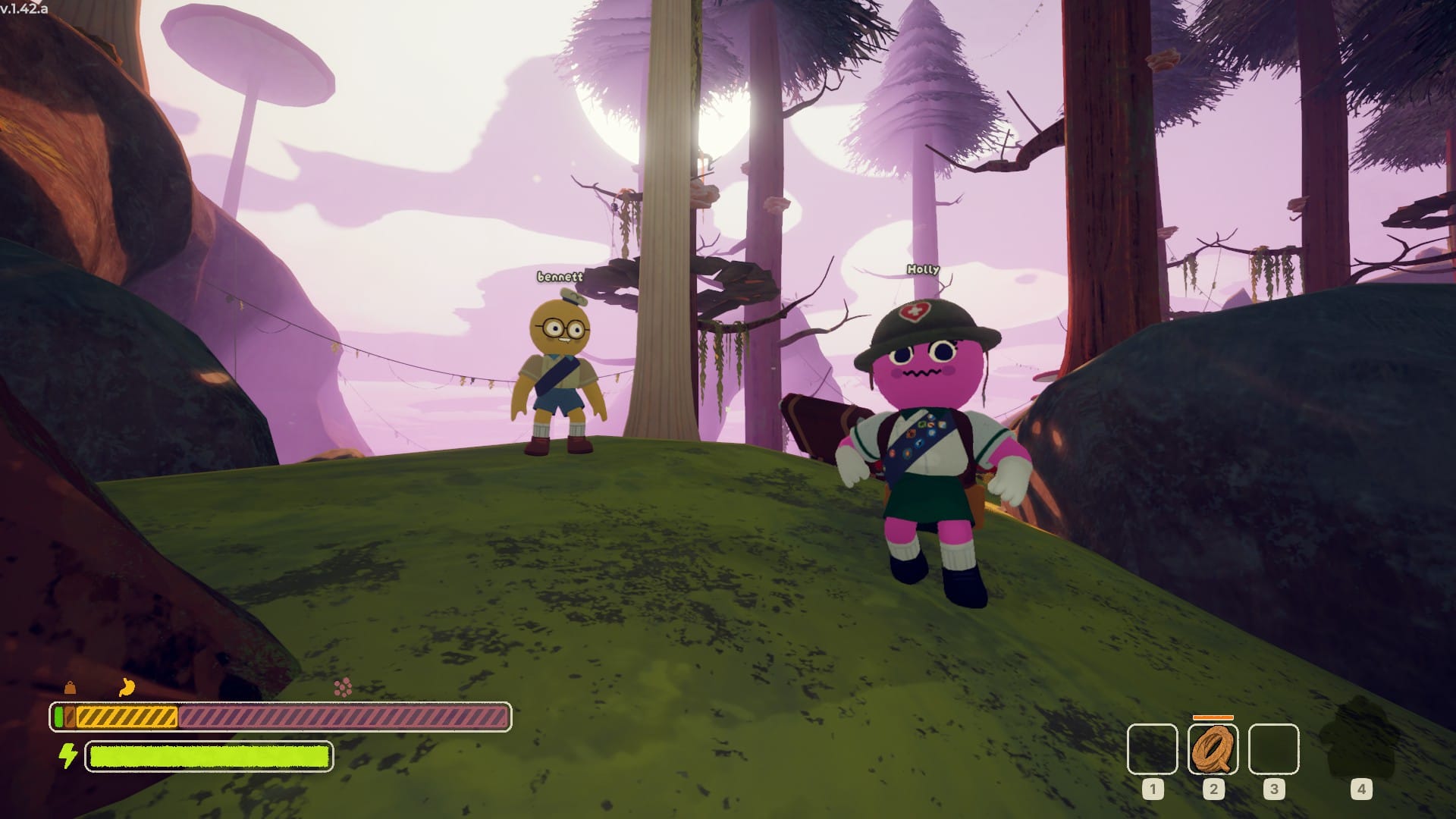
Bennett Foddy thinks his friends might be dead. We call down to the forest floor from atop a mossy boulder and wait to see if either of our co-op climbing buddies respond.

"Yeah, sorry guys," we hear Emeric Thoa speak up. "I was being rescued by Holly because I died or fell or passed out. I don't know... I was witnessing the whole thing from my dead body."

Missed some of this series? Click here

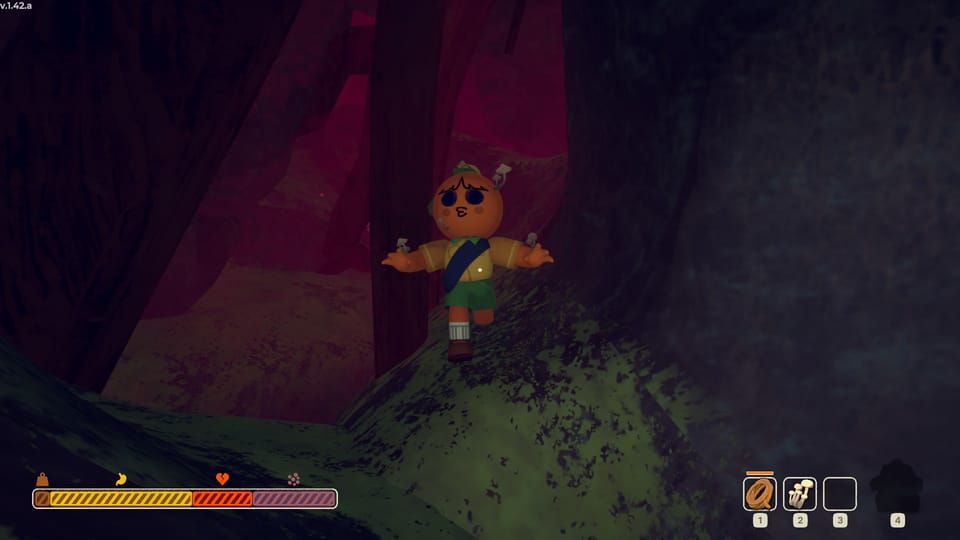
Emeric is not dead, thankfully. But he is badly ill. Spore blasts and falls have taken their toll on his big-headed orange body, reducing his stamina meter a lot. This is where Peak's many items and gizmos may come in handy. Bandages will heal wounds, for example, while others might help with ascending unscaleable walls, such as the small circus cannon Holly Jencka has quietly stashed in her backpack. It's a familiar concept to these bleeding, aching game designers: resource management.

Holly and Bennett wander around on the mossy rocks, with Emeric out of sight.
If you take a moment to look at my health/stamina bar you will notice maybe things are not going so well.

"There is a little bit of that in Cairn," says Emeric,